Telegram Restores App Store Listings After India-Ordered Delisting Over Exam Leak Concerns
Key Takeaways
- •Indian authorities ordered Telegram's removal from app stores under Section 69A of the Information Technology Act due to concerns about leaked NEET-UG examination papers being circulated on the platform.
- •Network-level blocks accompanied the app store delisting, causing service disruptions even for users who had previously installed Telegram.
- •Google and Apple restored Telegram's listings by June 23, shortly after the NEET-UG re-examination concluded on or before June 22.
- •The disruption carries implications for Telegram's associated blockchain network, The Open Network (TON), and its native token Toncoin, which depend on the platform's operational continuity.
- •India has previously used Section 69A powers against other platforms, including partial bans on Chinese-origin mobile applications in 2020.
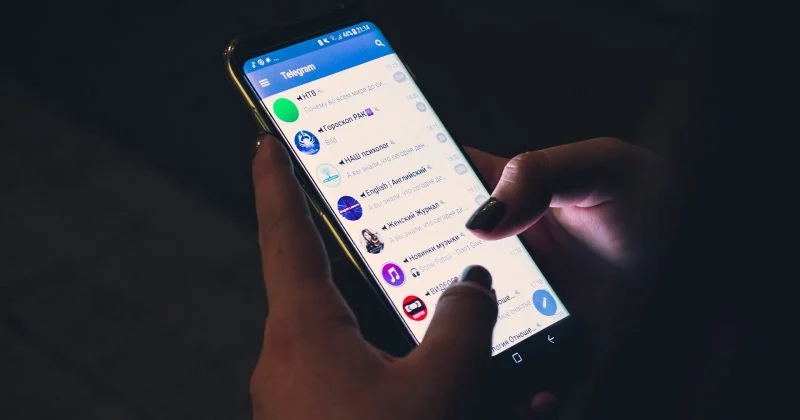
Telegram has returned to both the Apple App Store and Google Play Store following a temporary delisting that began around June 16. The removal was triggered by Indian government orders aimed at preventing the circulation of leaked examination papers.
Indian authorities ordered the delisting under Section 69A of the country's Information Technology Act, a legal provision that empowers the government to block public access to digital content on grounds of national security, public order, or sovereignty. The procedural framework was further elaborated in the Information Technology Rules of 2021, which formalized how blocking directions are issued to intermediaries. Officials expressed concern that Telegram channels were being used to distribute leaked question papers for the NEET-UG re-examination — India's sole entrance examination for undergraduate medical and dental programs (MBBS/BDS), and one of the country's most competitive and politically sensitive standardized tests.
The enforcement measures extended beyond app store removals. Network-level blocks were also imposed, meaning that even users who had previously installed Telegram experienced service disruptions in certain regions. Section 69A blocking orders are generally confidential under Indian law, making it difficult to independently verify the full scope and geographic extent of such directives.
The NEET-UG re-examination concluded on or before June 22. By June 23, Google had restored Telegram's Play Store listing, and Apple followed with its own reinstatement at approximately the same time. Full availability was expected to return to all users shortly thereafter.
As of early August, the official Telegram Messenger app remains live on the US Apple App Store, retaining its standard listing designation of "Free · In-App Purchases" with listing ID 686449807.
Telegram's associated blockchain network, The Open Network (TON), and its native token Toncoin have positioned the messaging platform as a direct participant in the cryptocurrency economy. Any disruption to Telegram's distribution channels — whether stemming from regulatory action in India or elsewhere — carries implications for the accessibility of TON-based services, mini-apps, and the wider ecosystem of projects built atop Telegram's user base of more than 900 million.
This is not Telegram's first encounter with app store removal. In February 2018, Apple briefly pulled the app over concerns related to inappropriate content. That matter was resolved swiftly, but it set a precedent demonstrating that app store gatekeepers are willing to act in response to government pressure. India itself has previously exercised Section 69A powers against other platforms, including partial bans on mobile applications of Chinese origin in 2020, demonstrating the government's established willingness to use the mechanism across categories of apps.
The most recent disruption lasted roughly one week from delisting to restoration, suggesting that such events are increasingly being treated as temporary inconveniences rather than existential threats to the platform. India constitutes one of Telegram's largest user bases, and any extended removal from Indian app stores would carry significant consequences for user growth metrics, engagement data, and the broader value proposition for projects developing mini-apps and financial services within Telegram's ecosystem.
For Toncoin holders, the episode underscores the degree to which the token's value is tied to Telegram's operational continuity and global reach. While a week-long disruption confined to a single country proved manageable, simultaneous regulatory actions across multiple major markets would present a considerably different challenge.

