Taliban Crypto Ban Still Blocks Bitcoin Trading in Afghanistan
Key Takeaways
- •Afghanistan's ban on cryptocurrency trading began in August 2022 and remains enforced by Da Afghanistan Bank, which reaffirmed in April 2024 that unlicensed online exchange activity is illegal.
- •The initial crackdown in Herat, Afghanistan's main crypto hub, arrested 13 people and shut down more than 20 crypto-related businesses.
- •Afghanistan's Ministry for the Propagation of Virtue and the Prevention of Vice declared cryptocurrency trading haram by equating it with gambling.
- •Chainalysis measured average monthly onchain activity in Afghanistan falling from about $68 million before the Taliban takeover to less than $80,000 from November 2021 onward, a drop of more than 99 percent.
- •Bitcoin transfers remain technically possible for users holding private keys, but conducting them inside Afghanistan carries legal and enforcement risks.
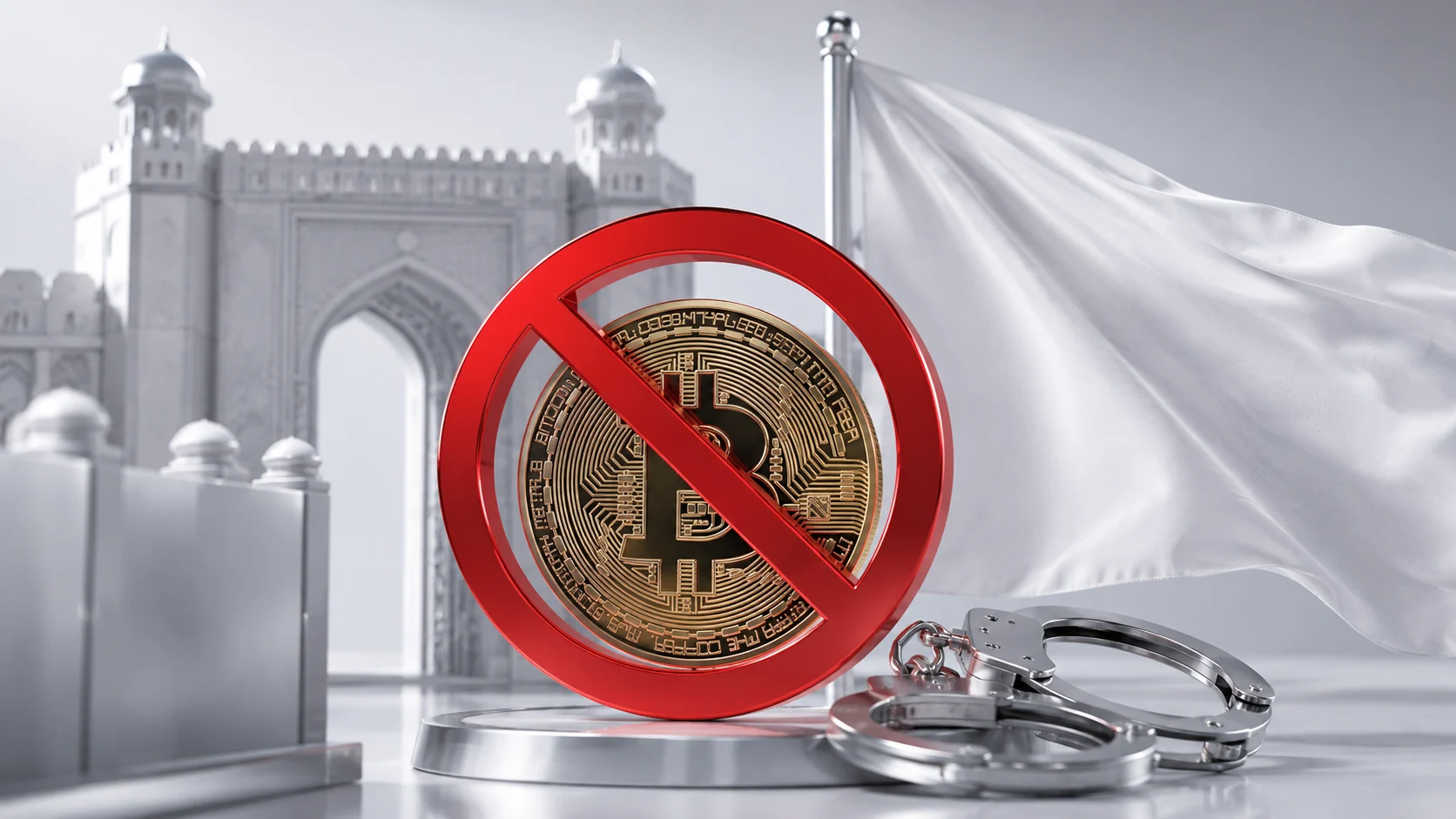
Afghanistan's Taliban-era prohibition on cryptocurrency trading remains in force, with the country's central bank continuing to classify unauthorized online exchange activity as illegal and subject to enforcement. The case stands out globally as one of the few outright bans on crypto trading paired with active criminal enforcement, and it has persisted even as many other jurisdictions have moved toward regulating rather than prohibiting digital assets.
The nationwide crackdown began in August 2022, when authorities ordered money changers, individuals and businesses to stop trading cryptocurrencies including Bitcoin. Police subsequently arrested traders who defied the order and closed physical crypto businesses, dismantling a market that had expanded after the Taliban takeover disrupted Afghanistan's access to the international banking system.
Herat Crackdown Closed More Than 20 Crypto Businesses
Authorities arrested 13 people in Herat during the initial enforcement campaign, with most later released on bail, while more than 20 crypto-related businesses were shut. The western city had become Afghanistan's main cryptocurrency trading hub, hosting four of the country's six known crypto brokerages at the time. Its position near the Iranian border had made it a natural center for cross-border money movement.
The ban followed months of debate over whether digital assets could operate within Islamic finance. Afghanistan's Ministry for the Propagation of Virtue and the Prevention of Vice ultimately equated cryptocurrency trading with gambling and declared it haram. The ruling contrasts with scholarly disagreement elsewhere in the Muslim world, where authorities in countries such as the United Arab Emirates have moved to regulate crypto within Sharia-compliant frameworks. Chainalysis later recorded dozens of dealer arrests as enforcement expanded.
Da Afghanistan Bank reinforced the prohibition in an April 2024 notice, stating that it had issued no licenses for online exchange activity and that such operations were illegal. The central bank warned that individuals and companies caught conducting the transactions could face legal action. That restatement, issued roughly two years after the initial crackdown, signaled that the policy remained deliberate rather than a transient emergency measure.
Crypto Activity Collapsed After Taliban Takeover
Afghanistan had ranked 20th in Chainalysis' 2021 Global Crypto Adoption Index as residents increasingly turned to digital assets during a period of severe banking disruption.
Crypto provided an alternative route for savings and international transfers after the Taliban takeover restricted access to conventional financial channels. Earlier Afghanistan crypto adoption included residents using Bitcoin and other digital assets while cash withdrawals and cross-border transfers became increasingly difficult. The collapse of this channel matters beyond trading: Afghanistan has long been heavily dependent on remittances from abroad, and the loss of legal crypto rails narrowed already limited options for receiving money from overseas.
Onchain value received by Afghanistan-based users averaged about $68 million per month before the takeover and briefly surged above earlier levels during August and September 2021. From November 2021 onward, Chainalysis measured average monthly activity at less than $80,000 as the crackdown pushed the visible market toward a standstill — a drop of more than 99 percent from pre-takeover levels.
Bitcoin Transfers Remain Technically Possible
The prohibition primarily cuts users off from legal domestic trading businesses and fiat on-ramps rather than disabling the Bitcoin network itself. A user holding private keys can technically send a Bitcoin transaction wherever internet access and network connectivity are available, but doing so inside Afghanistan can expose the user to local legal and enforcement risks. For residents, the practical question is less about technology than about whether official policy shifts — something to watch in future Da Afghanistan Bank notices and any change in the religious ruling that underpins the ban.
Crypto had previously been used to route funds to Afghans affected by disrupted banking access, including initiatives that supplied stablecoins to Afghan women after conventional transfers became difficult.
Chainalysis' 2025 adoption research continued to describe Afghanistan as a market that had temporarily lost virtually all measurable crypto activity following the U.S. withdrawal and subsequent policy restrictions. The central bank's published prohibition remains accessible through its official website, with unauthorized online exchange operations classified as illegal.
Source: Crypto Adventure
