Taliban Effectively Bans Crypto Trading Across Afghanistan, Arresting Traders
Key Takeaways
- •Afghan authorities have closed more than 20 crypto exchange shops in Herat and arrested at least 13 traders under a nationwide ban on crypto activity.
- •The Taliban's finance ministry and central bank classified digital assets as fraudulent, comparing crypto speculation to gambling prohibited under Islamic law.
- •Monthly crypto inflows into Afghanistan dropped from a peak of over $150 million to under $80,000 following the crackdown.
- •The ban cuts off a key channel Afghans used for savings protection and remittances after roughly $9 billion in central bank reserves were frozen abroad following the 2021 Taliban takeover.
- •Aid organizations warn the ban may drive crypto use underground toward riskier hawala networks and worsen an already severe humanitarian situation.
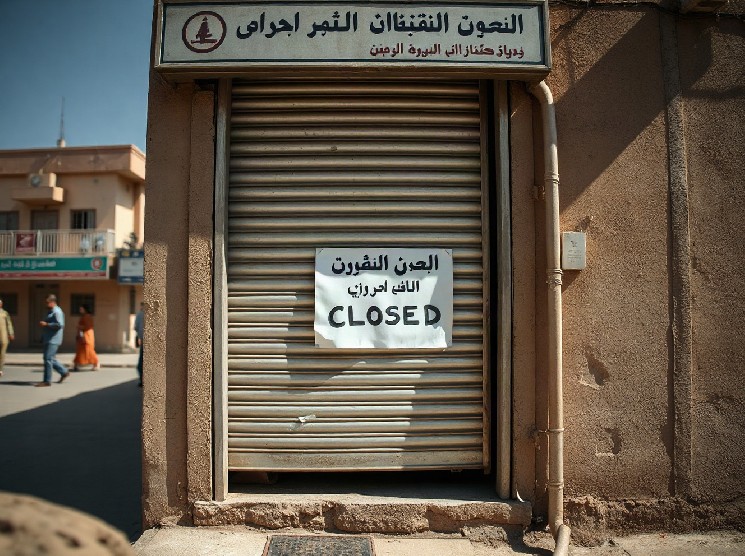
The Taliban has effectively outlawed cryptocurrency trading across Afghanistan, shutting down exchange shops and threatening prosecution for traders and businesses connected to the sector. The crackdown represents a sharp turn for a country where digital assets had become a financial lifeline following the collapse of the Western-backed government and the subsequent freezing of international reserves. Afghanistan had briefly appeared in Chainalysis's Global Crypto Adoption Index before dropping off entirely after the Taliban's return to power, reflecting how quickly the trading ecosystem has been dismantled.
Scope of the Ban and Enforcement
Authorities have closed more than 20 crypto exchange shops in Herat, a key trading hub near the Iranian border, and arrested at least 13 traders, according to reports. The Taliban's Ministry of Finance and the central bank have classified digital assets as fraudulent, with officials arguing that crypto speculation is akin to gambling under Islamic law. This legal interpretation effectively criminalizes all crypto-related activity, including trading, holding, and transferring digital currencies.
Enforcement appears to be nationwide, with local reports indicating similar actions underway in other provinces. The move fits within the Taliban's broader effort to reimpose strict interpretations of Sharia law, which also includes bans on interest-based banking and certain financial instruments. The anti-crypto stance also aligns with the regime's hostility toward foreign financial influence more broadly, including its refusal to accept foreign cash shipments it viewed as legitimizing Western sanctions.
Impact on Remittances and Savings
Before the ban, cryptocurrencies — particularly Bitcoin and stablecoins such as USDT — played a crucial role in Afghanistan's financial landscape. After the Taliban takeover in August 2021, the country was largely cut off from the international financial system, with roughly $9 billion in central bank reserves frozen abroad — about $7 billion of it held in the United States. Afghans used crypto to shield savings from hyperinflation, move money across borders, and receive remittances from relatives abroad.
Monthly crypto inflows reportedly peaked at more than $150 million but have since plunged to under $80,000 following the crackdown. The dramatic decline underscores how dependent everyday financial survival had become on digital assets. Many Afghans, especially those without access to formal banking, relied on crypto as a hedge against economic instability and as a way to bypass Western sanctions that froze the country's central bank assets.
Humanitarian and Economic Consequences
The ban is expected to worsen an already dire humanitarian situation in Afghanistan, where more than half the population faces acute food insecurity and the banking system has operated under severe liquidity constraints since the takeover. Remittances from Afghan diaspora communities are a critical source of income for millions of families. With crypto channels closed, many may be forced to turn to informal hawala networks, which are riskier and more expensive.
International aid organizations and financial experts have warned that the ban could push crypto activity underground, making it harder to monitor and regulate. Economically, the move risks further isolating Afghanistan from global financial markets and hindering any potential recovery.
The Taliban's stance contrasts with that of some other Islamic countries, such as the UAE, which have embraced digital assets under regulatory frameworks designed to align with Sharia principles. Scholars and regulators in the Islamic world remain divided on whether crypto is permissible, with some jurisdictions permitting it under compliant frameworks while others treat it as speculative gambling.
Outlook
The effective ban on cryptocurrency trading marks a major setback for financial access in Afghanistan. While the regime justifies the measure on religious and anti-fraud grounds, its practical impact is severe, severing a vital lifeline for ordinary Afghans. As enforcement continues, the future of digital finance in the country remains uncertain, and the international community is watching closely to see how the decision will affect humanitarian efforts and economic stability.
Frequently Asked Questions
Why did the Taliban ban cryptocurrency trading? The Taliban classified digital assets as fraudulent and stated that crypto speculation is akin to gambling, which is prohibited under Islamic law. This interpretation led to a nationwide ban on all crypto-related activities.
How will the ban affect Afghan citizens? Many Afghans used crypto for savings and remittances because of the country's isolation from the international financial system. The ban cuts off this access, making it harder for families to receive money from abroad and protect their savings from inflation.
What happened to crypto exchange shops and traders in Afghanistan? Authorities have shut down more than 20 exchange shops in Herat and arrested at least 13 traders as part of a broader enforcement effort across the country.
