Taiwan charts offshore wind growth through 2039
Key Takeaways
- •Taiwan’s 2026–2039 offshore wind plan targets total installed capacity of 24.7GW to 27.9GW by the end of the period.
- •The government plans to add 15GW to 18GW of new offshore wind capacity and conduct auctions every four years.
- •Installed offshore wind capacity is expected to reach 18.3GW to 19.9GW by 2035, while the 10.9GW target for 2030 remains in place.
- •Taiwan expects electricity consumption to grow by about 2.5% a year between 2026 and 2035, increasing pressure on power supply.
- •The roadmap includes floating offshore wind development starting in 2026, along with policy support, green financing and faster permitting.
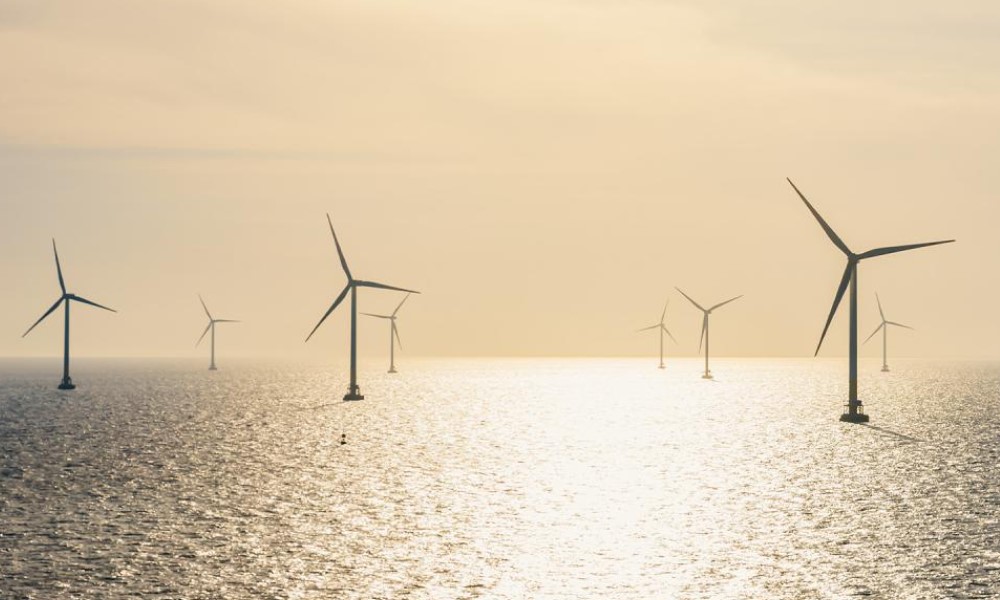
Taiwan has laid out plans to add as much as 18GW of offshore wind capacity by 2039 as rising power demand from the island’s semiconductor, artificial intelligence and high-tech sectors puts pressure on electricity supply.
The Ministry of Economic Affairs’ 2026–2039 Offshore Wind Power Medium- and Long-Term Promotion Plan targets total installed capacity of between 24.7GW and 27.9GW by the end of the period, compared with around 4.9GW today.
Under the roadmap, Taiwan intends to add between 15GW and 18GW of new capacity and hold offshore wind auctions every four years. Around 8GW is expected to be allocated during each four-year round, providing developers and suppliers with a more predictable project pipeline and giving the sector a clearer view of when ports, vessels and turbine components may be needed.
Installed capacity is projected to reach between 18.3GW and 19.9GW by 2035. Taiwan is also keeping its nearer-term target of 10.9GW by 2030.
The programme comes as Taiwan expects electricity consumption to increase by about 2.5% annually between 2026 and 2035. Offshore wind is being positioned as a major source of additional low-carbon power and a way to reduce exposure to imported fuel prices.
The government plans to begin developing floating offshore wind projects in 2026, opening areas that are unsuitable for conventional fixed-bottom foundations and broadening the geography available for future projects.
The strategy rests on four areas: clearer policy direction, support for domestic supply chains, green financing and faster permitting. Measures will include financial incentives, industrial development programmes and changes designed to improve administrative efficiency.
Regular auctions are also intended to help companies plan investments in installation vessels, ports, turbine components and specialised offshore equipment.
Potential development zones have been assessed with Taiwan’s defence, transport and agriculture ministries to account for military requirements, shipping routes, fishing activity and other competing uses of maritime space.
The expansion plan supports Taiwan’s target of reaching net-zero emissions by 2050, as well as its 2030 goals of cutting greenhouse gas emissions by up to 30% from 2005 levels and lifting renewables to 30% of the power mix.

