Sweden to Transfer Seized Russian 'Shadow Fleet' Vessel to Ukraine, Court Documents Reveal
Key Takeaways
- •Sweden's Supreme Court dismissed an appeal by Caffa Shipping Ltd, upholding lower court rulings that approved the vessel's transfer to Ukrainian authorities.
- •The Caffa was seized on March 6 off southern Sweden while sailing under a false Guinean flag toward Saint Petersburg, with ten of its eleven crew members being Russian nationals.
- •Ukraine alleges the vessel previously transported stolen grain from occupied Sevastopol in Crimea to the Syrian port of Tartus in July 2025.
- •According to Swedish media, this is the first time a court has ordered a Russian vessel suspected of carrying stolen Ukrainian grain to be transferred to Kyiv.
- •Ukrainian Foreign Minister Andrii Sybiha described the decision as a landmark precedent demonstrating that judicial accountability can produce tangible results.
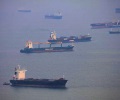
Sweden has been ordered to hand over a seized Russian "shadow fleet" cargo vessel to Ukraine, following a ruling by the Swedish Supreme Court. The ship, which Ukraine suspects of transporting grain stolen from its occupied territories, was seized as part of an ongoing legal investigation. The case highlights the growing role of European judicial cooperation in enabling Ukraine to pursue assets tied to alleged sanctions violations and the systematic appropriation of resources from territories occupied since Russia's 2022 invasion.
According to court documents obtained by AFP on Thursday, the Supreme Court dismissed an appeal filed on 4 August by Caffa Shipping Ltd, the Cyprus-based owner of the 96-metre cargo vessel Caffa. The appeal sought to block the transfer, which had been requested by Ukraine and already approved by two lower courts in Sweden.
The Caffa was sailing under a false Guinean flag and was en route to Saint Petersburg when armed Swedish police boarded the vessel on 6 March off the coast of Trelleborg in southern Sweden. Swedish authorities acted on a formal request for legal assistance from Ukraine, where the vessel is the subject of an active criminal investigation, according to the Ystad district court. Ten of the 11 crew members on board were Russian nationals.
Ukrainian sanctions commissioner Vladyslav Vlasiuk confirmed the vessel was transporting grain at the time of its seizure. In a Facebook post dated 7 March, Vlasiuk stated that the Caffa had previously been involved in stealing grain from occupied Ukrainian territory, including a shipment transported from the port of Sevastopol in Crimea in July 2025. That cargo was subsequently unloaded at the port of Tartus in Syria. Ukraine has repeatedly accused Russia of looting agricultural products from occupied regions, cutting off a vital revenue stream from Kyiv's economy and complicating global food supply chains dependent on Ukrainian exports.
Moscow's so-called "shadow fleet" refers to vessels used to circumvent Western sanctions. These ships are frequently ageing and in poor condition, operate without proper insurance, and have opaque ownership structures. Western governments have increasingly focused on identifying and intercepting such vessels as part of broader efforts to enforce sanctions on Russian energy and agricultural exports.
Ukrainian Foreign Minister Andrii Sybiha publicly thanked Sweden on Thursday. "This landmark decision sets an important precedent, demonstrating that decisive action by law enforcement and prosecutors, combined with an independent and impartial judiciary, can translate the principle of accountability into tangible results," he wrote in a post on X.
According to Sweden's TV4 news channel, this marks the first time a court has ordered a Russian vessel suspected of transporting stolen Ukrainian grain to be transferred to Kyiv. The ruling comes amid intensifying efforts by Ukraine and its partners to use legal mechanisms to trace, freeze, and ultimately confiscate assets linked to Russia's war effort.

