Sweden Supreme Court Approves Transfer of Cargo Vessel Caffa to Ukraine in Landmark Ruling
Key Takeaways
- •Sweden's Supreme Court denied the shipowner's appeal and upheld lower court rulings authorizing the transfer of the Caffa to Ukraine.
- •This is the first instance in which a court outside Ukraine has approved the handover of a vessel connected to the export of stolen Ukrainian grain.
- •Prosecutors alleged the Caffa loaded approximately 3,000 tonnes of Ukrainian barley at the Russian-occupied port of Sevastopol before transporting the cargo to Syria.
- •The vessel's crew of 11, predominantly Russian nationals, were permitted to return home while the ship remains moored at Trelleborg.
- •The ruling may encourage Ukraine to pursue additional vessel transfers through countries willing to enforce Ukrainian court orders.
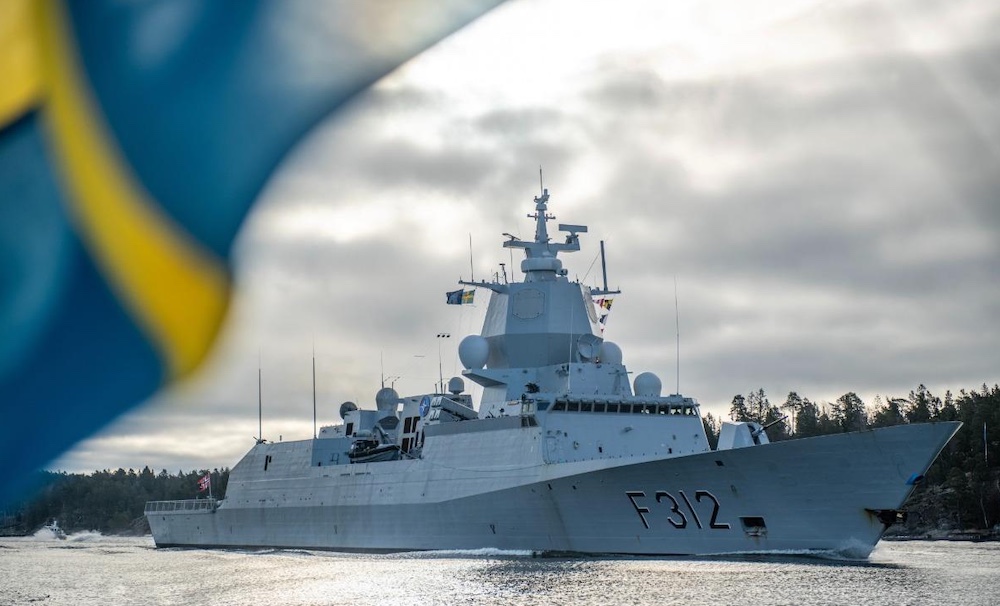
Sweden's Supreme Court has approved the transfer of the cargo vessel Caffa to Ukraine, setting a potentially significant legal precedent for vessels accused of transporting stolen commodities from Russian-occupied territory.
The court denied the shipowner's request to appeal, upholding prior rulings by the Ystad District Court and the Court of Appeal. According to Swedish media reports, this marks the first instance in which a court outside Ukraine has authorized the handover of a vessel connected to the export of stolen Ukrainian grain.
Swedish authorities intercepted the 4,337 dwt Caffa off the coast of Trelleborg on March 6 while the vessel was en route from Casablanca to St Petersburg. Although the ship claimed registration in Guinea, Swedish officials suspected it was operating under a false flag with fraudulent documentation. The Russian Maritime Register of Shipping had withdrawn the vessel's classification in June 2025.
Ukrainian investigators subsequently requested that Sweden seize the vessel under international legal-assistance legislation. Prosecutors alleged that the Caffa had called at the Russian-occupied port of Sevastopol, loaded approximately 3,000 tonnes of Ukrainian barley, and transported the cargo to Syria. The systematic extraction of agricultural commodities from occupied Ukrainian territories has been documented since the early months of Russia's 2022 invasion, with grain representing one of Ukraine's most significant pre-war export sectors.
Swedish courts determined that the vessel, along with associated documents, a hard drive, and a USB device, could be relevant to the ongoing Ukrainian investigation or subject to forfeiture. Judges ruled that the seizure was proportionate given the gravity of the alleged offences and the vessel's numerous safety deficiencies.
Ukrainian Foreign Minister Andrii Sybiha described the ruling as an important international precedent in the effort to combat sanctions evasion and Russia's clandestine shipping operations. Maritime analysts have extensively documented a growing fleet of aging vessels operating with obscured ownership, falsified registrations, and disabled tracking systems to move sanctioned or looted cargo, and the Caffa case illustrates how legal-assistance frameworks can be applied to that trade.
The Caffa has remained moored at Trelleborg. Its crew of 11, the majority of whom were reported to be Russian nationals, were permitted to return home.
Ukraine has previously confiscated and sold vessels seized within its own jurisdiction. The Swedish ruling may encourage Kyiv to pursue additional vessels when they enter countries willing to enforce Ukrainian court orders. The decision also elevates the legal risk for owners, managers, and operators involved in voyages to occupied Crimean ports, even when those ships subsequently trade far from Ukrainian waters.
Source: Splash247
