Susie Wiles' Influence Over Trump Wanes Amid Health Battle and Staff Exodus: Report
Key Takeaways
- •White House Chief of Staff Susie Wiles' influence over President Trump is waning, according to insiders cited in a Daily Beast report, particularly as she kept up a heavy workload while being treated for early-stage breast cancer diagnosed in March.
- •Wiles, the first woman to hold the chief of staff role after helping run Trump's 2024 campaign, has been among the few aides, along with Press Secretary Karoline Leavitt, willing to push back and say "no" to the president.
- •Four White House aides have resigned in recent weeks, deputy national security adviser Andy Baker announced his exit on Friday, and one analysis finds the turnover has outpaced the early tenures of the Bush, Obama and Biden administrations.
- •Wiles was reported earlier this year to be considering the November midterms as a possible departure point, reportedly frustrated by Trump's promotion of Bill Pulte to acting director of national intelligence, though she denied friction with the president was the cause.
- •The Daily Beast reported that Trump may not replace Karoline Leavitt, leaving open how much further the turnover will go and whether Wiles remains in her post through the midterms.
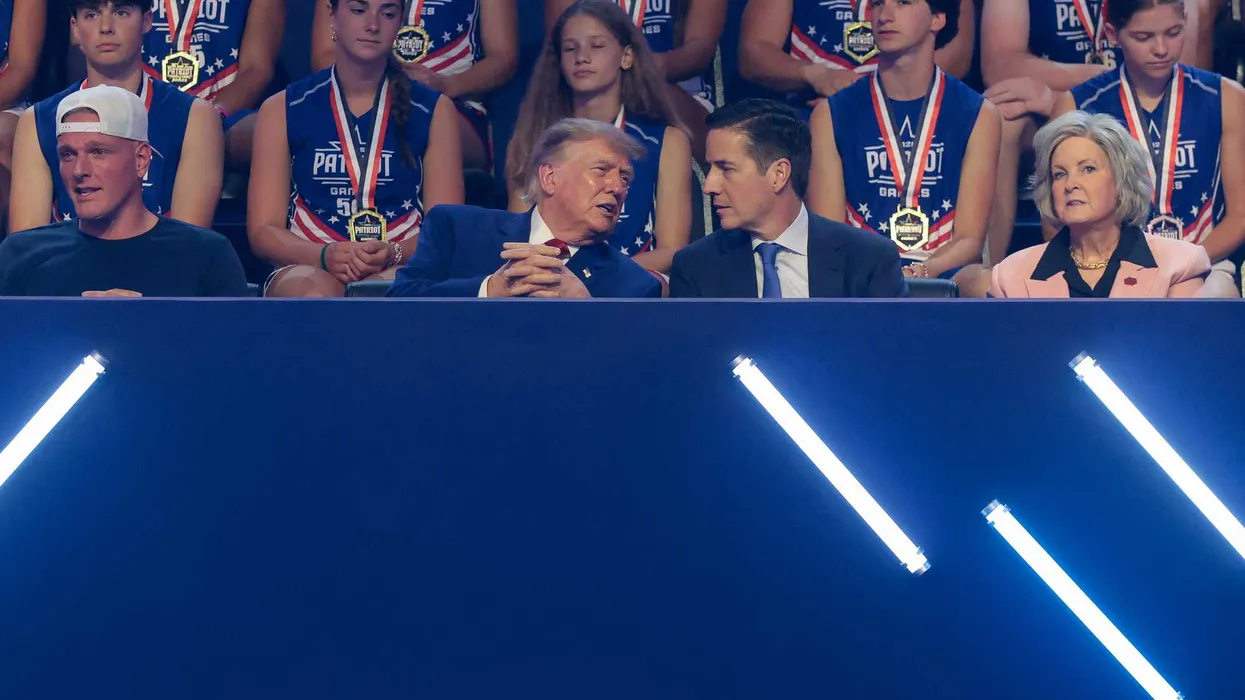
White House Chief of Staff Susie Wiles, long regarded as one of President Donald Trump's closest aides and a voice that has helped keep some of his worst impulses in check, has been losing her grip over the president, insiders told The Daily Beast in a report published Friday.
"Much of the credit for the more disciplined Trump 2.0 has gone to White House Chief of Staff Susie Wiles, but her influence over the president is said to be waning, especially since she kept up a heavy workload while being treated for early-stage breast cancer, which was diagnosed in March," The Beast reported.
Wiles has not given a public update on her health since disclosing her diagnosis.
The stakes of any shift in her standing extend beyond one aide's fortunes. Wiles, the first woman to serve as White House chief of staff after helping run Trump's 2024 campaign, holds the job that traditionally sets the president's schedule, gates access to the Oval Office and manages the competing power centers of the West Wing. How firmly the person in that seat can push back on Trump has been one of the central dynamics of this White House, and it is precisely the influence the report now describes as slipping.
Along with White House Press Secretary Karoline Leavitt, Wiles has often been among the aides willing to speak up against Trump and say "no." In a Vanity Fair story published in December, Wiles referred to Trump as having an "alcoholic's personality," saying he has carried himself as though there is "nothing he can't do."
The concerns about Wiles come as the White House sheds staff at a striking pace. Four aides have resigned in recent weeks, and more departures are expected. On Friday, deputy national security adviser Andy Baker, a close ally of Vice President JD Vance, became the latest to announce his exit. Baker, who had a hand in earlier negotiations with Iran, leaves with that war still raging. According to one analysis, the turnover has outpaced the early stretches of the Bush, Obama and Biden administrations — a level of churn that comes while major foreign-policy questions remain unresolved.
Wiles herself was reported earlier this year to be weighing the November midterms as an off-ramp, frustrated by Trump's promotion of Bill Pulte to acting director of national intelligence, though she denied that friction with the president was driving her out. The Beast also reported that Trump may not replace Leavitt. The report leaves open how much further the turnover will go, whether the press-secretary role goes unfilled, and whether Wiles remains in the job through the midterms she was said to be eyeing as a possible exit.

