Philosopher Susan Neiman calls Trump 'evil' in new book; New Republic review urges action over abstraction
Key Takeaways
- •Philosopher Susan Neiman, former director of the Einstein Forum, argues in her new book that Donald Trump embodies moral ideas destructive enough to be called evil.
- •Neiman claims Americans' avoidance of moral language has handed powerful rhetoric to right-wing figures, leaving the left to discuss values only reactively.
- •The book cites the March 2025 transfer of 238 immigrants to El Salvador's CECOT prison as an early example of malevolence that drew a weak response from many Democrats.
- •Reviewer Samuel Clowes Huneke argues Neiman wrongly blames identity politics for Trump's return to power while overlooking centrists and commentators who offered little resistance to government repression.
- •Huneke points to widespread protest, including "No Kings" rallies that drew 5 to 7 million people across roughly 3,000 events, as evidence that Americans are already acting on moral conviction.
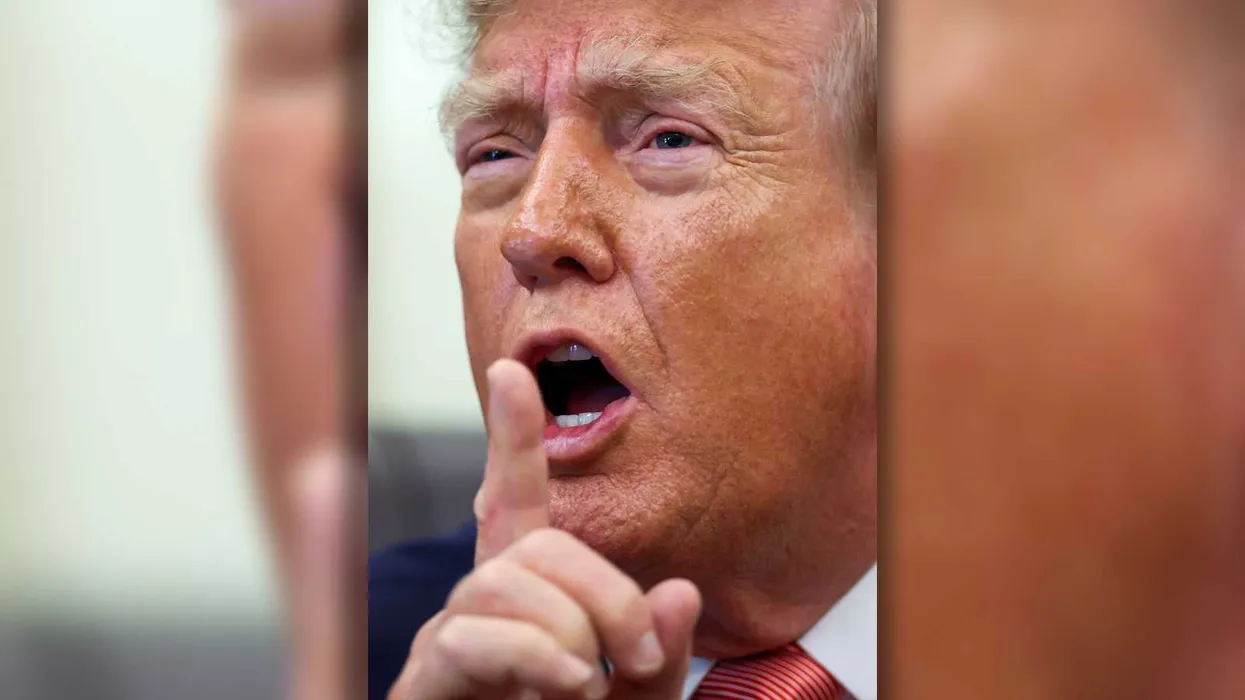
Philosopher Susan Neiman, retired director of the Einstein Forum, a Berlin-based public foundation for exchange across science and the humanities, has accused Americans of embracing President Donald Trump and his moral depravity — and of refusing to name it for what it is: evil. Neiman has returned to the concept of evil throughout her career, in earlier books including Evil in Modern Thought and Learning from the Germans.
Neiman argues that Americans face real-world consequences for refusing to stand up to Trump. Over the weekend, the "No Kings" rallies drew anywhere from 5 to 7 million people to some 3,000 local events nationwide.
Writing for The New Republic, the century-old American magazine of politics and culture, historian Samuel Clowes Huneke reviews Neiman's Call It Evil: Understanding the Trump Era, noting that the list of examples of destructive malevolence began early and that Americans — politicians in particular — should have responded in kind.
In the book, Neiman contends that many Americans' reluctance to speak in moral terms has all but ceded powerful language to the right. Discussions of "values," for example, have occurred on the left only in reaction to the right, rather than as a proactive, coordinated effort to convey kindness.
"Our culture's reluctance to trade in moral ideas," she writes, "has left them to right-wing demagogues and brought us to this pass." All Americans, she adds, must confront "the moral ideas that Donald Trump embodies and reinforces, ideas that are destructive enough to warrant the word evil."
One of the best and earliest examples came in March 2025, when the Trump administration shipped 238 immigrants to CECOT prison in El Salvador — formally the Terrorism Confinement Center — a facility known for inhumane abuses and psychological torture. As then-Homeland Security Secretary Kristi Noem posed outside a cage of prisoners, many Democrats struggled to muster a forceful response, Huneke writes. The problem, he explains, was not a shortage of polling but a shortage of moral courage — as if Democrats, having watched Trump win in 2024, threw up their hands believing, "well, this is what the people want."
Neiman argues that America's political predicament extends beyond Trump himself, amounting to an ideology that treats greed as rational and public goods as business opportunities. For those who act only out of self-interest, she writes, even morality eventually starts to look like a sucker's game. In that account, Trump is less the origin of America's breakdown than its loudest expression.
Huneke agrees that the country needs moral clarity, but questions why a book about evil spends so little time confronting the people actually suffering. The book fixates on conservatives' obsession with "the woke," and Neiman blames identity politics for helping return Trump to power. Huneke argues that this targets the wrong people, overlooking centrists and prominent commentators who warned endlessly about the left but have offered little resistance to government repression.
He also challenges any suggestion that Americans have abandoned protest. Over the past year, several Americans have been shot, tased, pepper-sprayed, beaten and arrested by immigration agents. Huneke highlights Americans defending their neighbors, states protecting reproductive health and gender-affirming care, and progressives campaigning on human dignity this campaign cycle. They have already made the moral arguments, he writes — through their actions.
"While contending we could all learn 'impatience with clichés,' [Neiman] resorts to her own clutch of them, arguing that we ought to start 'defending truth' and 'renewing the moral concepts the right has trampled,'" Huneke writes. "I'm not sure moral handwringing is worth much to the hundreds of babies and toddlers who have been disappeared into ICE custody since the administration took office."
For Huneke, cruelty cannot remain an abstract philosophical problem. He describes "the decision to look away" as the biggest issue, and argues that resistance need not wait for intellectuals to find the perfect vocabulary.
Where Neiman urges people to call Trump "evil," Huneke favors a more nuanced approach that goes beyond a single man: name the cruelty, confront enabling it, and recognize the people already fighting back. Moral conviction, in his view, should be judged by what people actually do — not merely what they say.

