Boston Fed's Collins Signals Possible Rate Hike If Inflation Decline Falters — What It Means for Bitcoin (BTC)
Key Takeaways
- •Susan Collins said a rate hike could be appropriate soon if inflation does not keep falling sustainably.
- •She said the U.S. economy is growing near trend and the labor market remains generally stable.
- •Collins described June and July inflation readings as encouraging but said it is too early to tell whether the improvement will last.
- •She warned that energy prices, Strait of Hormuz developments, tariffs, and strong growth could push inflation higher.
- •Market observers said the comments matter for Bitcoin because they could influence expectations for future interest rate moves.
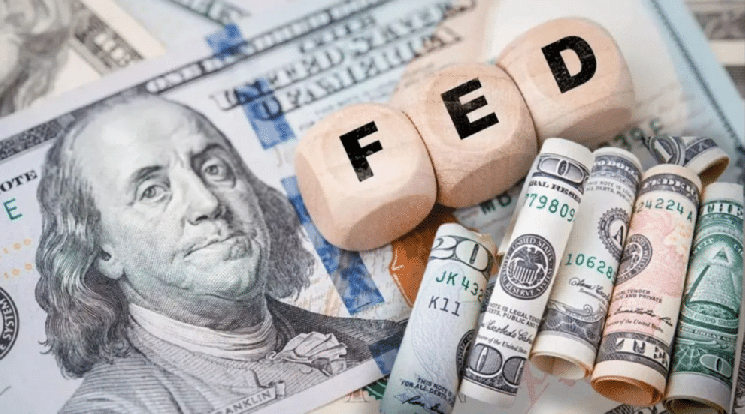
With uncertainty surrounding the US Federal Reserve's (Fed) monetary policy persisting, Boston Fed President Susan Collins has delivered a new interest rate message that is drawing close attention from markets.
In an article published on the official Boston Fed website, Collins stated that if there is no evidence that inflation is genuinely continuing to fall, an interest rate increase may be necessary soon. Expressing concern about price stability, she said: “Inflation is still very high.”
Inflation remains the real concern
Collins stated that the US economy is growing at a pace close to its trend and that the labor market is generally stable. However, she emphasized that inflation remaining above the Fed's 2% target is the most significant cause for concern at this point.
She described the inflation data for June and July as somewhat encouraging, while cautioning that it is not yet clear whether the recent improvement is sustainable.
“Inflation has remained above the Fed's 2% target for more than 5 years,” Collins wrote. “The improvement in inflation data for June and July is positive. However, it is not yet clear whether this will be permanent. At this point, the data that will be released in the coming weeks regarding inflation will be very important.”
She also warned that energy prices, developments in the Strait of Hormuz, new tariffs, and strong economic growth could pose upside risks to inflation.
Collins said she supported keeping interest rates unchanged at the July meeting, saying that the current monetary policy stance is sufficient for now to bring inflation back to target. However, she noted that evidence of a continued decline in inflation is needed before that stance can be maintained. That makes the next round of inflation readings especially important for traders watching whether policymakers keep their current posture or revisit tightening.
“We need evidence that inflation is genuinely continuing to fall. If evidence of a sustainable decline in inflation does not emerge, I believe it would be appropriate to tighten monetary policy soon in order to ensure price stability within a reasonable timeframe,” Collins wrote.
Her core message is widely read as: “If inflation does not continue to fall, the Fed may need to raise interest rates soon.”
What does this mean for Bitcoin?
According to market experts, the statements carry significant implications for Bitcoin. Experts stress that Collins is not saying “the Fed will definitely raise interest rates” — she has made any hike conditional on “the absence of a sustainable decline in inflation.”
Therefore, two scenarios stand out for Bitcoin in the coming period, according to this analysis:
- Inflation remains high → the Fed becomes more hawkish → Bitcoin may remain under pressure. If inflation remains above expectations and price pressures prove persistent, the likelihood of a September interest rate hike could strengthen again. This scenario could push the dollar and bond yields higher, creating selling pressure on Bitcoin.
- Inflation continues to fall → expectations of interest rate hikes weaken → Bitcoin may find support. If inflation data moves in the direction the Fed wants, expectations for a September rate hike may decrease, and macroeconomic pressure on Bitcoin may lessen.
For crypto markets, the relevance is less about a single Fed comment and more about how it fits into the broader policy sequence: inflation data, the Fed's reaction function, and how those expectations are priced into risk assets. Bitcoin often reacts to shifts in rate expectations because they affect liquidity conditions and investor appetite for higher-risk assets.
This is not investment advice.
Source: BitcoinSistemi

