Trump Handed 'Get-Out-of-Jail-Free Card' for Corruption: Ex-DOJ Prosecutor
Key Takeaways
- •Leo J. Wise, a 20-year federal prosecutor who worked on the Hunter Biden case, argued in a Monday essay for The Atlantic that Supreme Court rulings now shield President Trump from corruption prosecution.
- •Wise described Qatar's $400 million gift of a luxury jet, followed by expanded U.S. security guarantees and authorized AI chip sales to the UAE, as a sequence that in his view looks like a bribe.
- •Emirati investors put $500 million into a Trump-family cryptocurrency venture days before the second inauguration, after which Trump moved to sell them advanced AI chips that the Biden administration had blocked on national-security grounds.
- •The 2024 Trump v. United States ruling granted former presidents absolute immunity for actions within exclusive constitutional powers, leading Wise to conclude that presidents may likely never be prosecuted for corruption.
- •Because the immunity ruling rests on the Constitution rather than statute, Wise says only a future Supreme Court decision or a constitutional amendment—not congressional legislation—could overturn it.
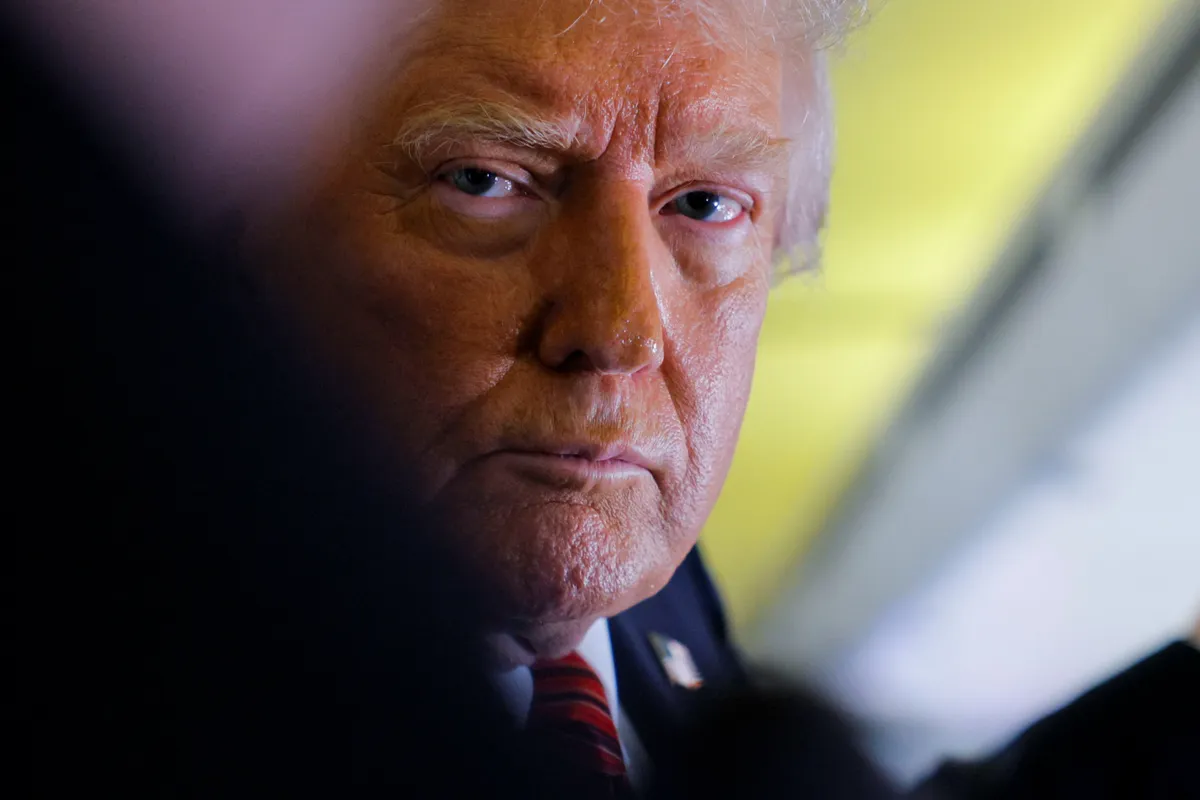
Leo J. Wise, a veteran federal prosecutor who worked on the Hunter Biden case, says President Donald Trump has effectively been handed a “get-out-of-jail-free card” for potential corruption, arguing that a string of Supreme Court rulings has left elected officials shielded from prosecution.
Wise, who spent 20 years as a federal prosecutor and served in all three branches of the federal government, laid out the argument in a Monday essay for The Atlantic, writing that the court has spent decades narrowing federal anti-corruption laws — with the 2024 presidential immunity decision serving as the capstone.
Wise pointed to two transactions involving Trump and foreign governments. Qatar provided the Defense Department with a $400 million luxury jet for presidential use, which Trump wants to take to his presidential library when he leaves office. In turn, Wise wrote, Trump offered Qatar expanded security guarantees and authorized sales of advanced artificial intelligence chips to the United Arab Emirates — a sequence that, in his view, “looks like a bribe.”
In the second instance, Emirati investors put $500 million into a Trump-family cryptocurrency venture days before his second inauguration. Trump then moved to sell them advanced AI chips — a category the U.S. restricts for export on national-security grounds — which the Biden administration had blocked over fears the technology could end up in the hands of the Chinese government.
Wise also traced the broader arc of Supreme Court precedent. In 2016, the justices overturned the bribery conviction of former Virginia Gov. Robert McDonnell, finding that arranging meetings and hosting events for a businessman who provided loans and gifts did not qualify as the “official acts” required for the offense. In another 2024 decision, Snyder v. United States, the court ruled that a federal anti-corruption provision covering state and local officials prohibits bribes, but not gifts as rewards for official actions already completed.
The 2024 ruling in Trump v. United States, which arose from the federal prosecution over efforts to overturn the 2020 election, went further still, granting former presidents absolute immunity for actions within their exclusive constitutional powers, with the presumption that immunity extends to other official acts. Unofficial conduct remains outside those protections. In Wise’s assessment, that means “presidents, alone among elected officials, can likely never be prosecuted for corruption.”
Because the immunity ruling rests on the Constitution rather than an interpretation of federal statute, Congress cannot simply cancel it by passing a new law. According to Wise, overturning that protection would have to wait for a future Supreme Court decision or a constitutional amendment.
Wise previously served in the Justice Department’s Public Integrity Section, the unit responsible for prosecuting public corruption, which the Trump administration gutted in an effort to dismiss the criminal case against former New York Mayor Eric Adams in 2025. Wise said he and the majority of his colleagues refused to participate in that dismissal, and he subsequently left the department. He described that trajectory as “political elites protecting political elites.”
Wise added that Congress has failed to use its power to tighten gift restrictions, expand bribery statutes, and address conflicts of interest — the levers that remain within lawmakers’ control even where the immunity ruling is not. For Trump, he concluded, only a future Supreme Court could reverse the “get-out-of-jail-free card.”
Source: Alternet

