Supreme Court Sides With Trump, Pausing Block on Mail-In Ballot Restrictions Ahead of 2026 Midterms
Key Takeaways
- •The Supreme Court paused a temporary injunction against President Trump's executive order restricting mail-in ballots, allowing the restrictions to be enforced while litigation over their legality continues.
- •The stay was issued on the court's emergency docket without full briefing or oral argument, leaving the underlying constitutional questions unsettled.
- •The March 2025 executive order requires documentary proof of citizenship on the federal voter registration form and presses states to stop counting mail ballots that arrive after Election Day.
- •Challengers, including Democratic Party organizations, argue the Constitution's Elections Clause assigns federal election rules to states and Congress rather than the president.
- •The legality of the order's required U.S. Postal Service database of mail voters remains unresolved, and further Supreme Court review is possible before the November 2026 midterms.
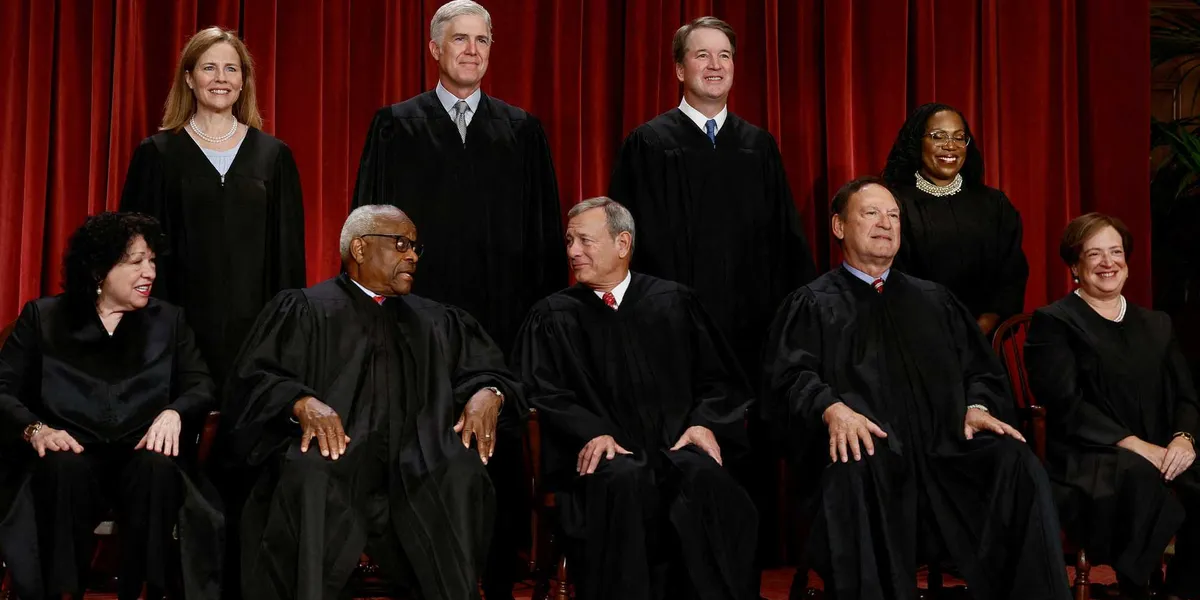
The Supreme Court delivered a major ruling on Monday, siding with President Donald Trump's executive order restricting mail-in ballots ahead of the 2026 midterm elections, according to a report from The Associated Press.
The high court's decision paused a temporary injunction against the order. The ruling leaves open the possibility for lower courts to continue challenging the executive order, which places significant restrictions on when mail-in ballots can be used. The order also required the U.S. Postal Service to create its own database of voters who cast ballots by mail — a component whose legality, according to the Supreme Court, remains unresolved.
The stay came on the court's emergency docket, meaning the dispute was resolved without full briefing or oral argument, and it allows the restrictions to be enforced while litigation over their legality continues rather than settling the underlying constitutional questions.
Some legal experts described the ruling as "a big win" for the Trump administration.
The dispute stems from the election-integrity executive order Trump signed in March 2025, titled "Preserving and Strengthening the Integrity and Security of American Elections." That order sought sweeping changes to how elections are run, including requiring documentary proof of citizenship on the federal voter registration form and pressing states to stop counting mail ballots that arrive after Election Day. Challengers, including Democratic Party organizations, have argued that the Constitution's Elections Clause assigns the rules governing federal elections to states and Congress — not the president — making the scope of presidential authority over election administration a central question in the litigation.
The order drew immediate legal challenges. In June 2025, the Supreme Court allowed the citizenship documentation requirement to take effect while litigation over the policy continued in lower courts.
Mail-in voting expanded sharply across the United States during the 2020 coronavirus pandemic — when roughly two in five voters cast ballots by mail, according to U.S. Census Bureau data — and has remained a persistent point of political dispute. Trump and his allies have argued that mail voting is vulnerable to fraud, while Democrats and voting-rights groups have defended it as a secure and accessible way to cast a ballot. State practices currently vary: most states require mail ballots to arrive by Election Day, while others, including California and Nevada, count ballots that arrive later so long as they were postmarked in time — the practice the executive order presses states to end.
With the restrictions now enforceable as the case proceeds, the unresolved questions — including the Postal Service database and the order's reach over state election rules — will continue moving through the lower courts, and further Supreme Court review remains possible before voters cast their ballots in November 2026.

