Super El Niño Set to Threaten Food, Water, and Trade Worldwide
Key Takeaways
- •El Niño has intensified rapidly this year as warmer-than-normal Pacific waters strengthened the event across the tropical ocean.
- •NOAA says there is a greater than 90% chance the event becomes very strong in the second half of the year.
- •The phenomenon has already disrupted planting and crop growth in parts of Central America and Southeast Asia.
- •The Panama Canal Authority has tightened shipping limits because drought has reduced water supplies for canal operations.
- •The United Nations World Food Programme estimates El Niño could push nearly 50 million additional people into acute hunger.
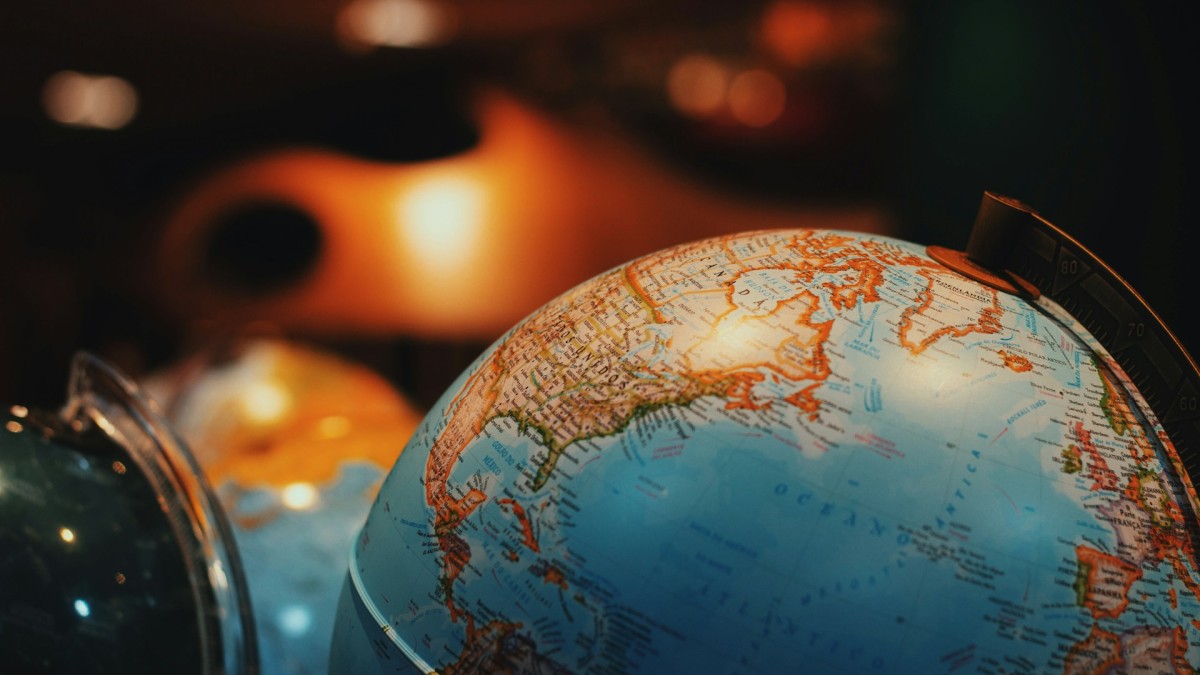
The world is on course to experience an extremely intense El Niño weather event this year, driven by warmer-than-normal sea surface temperatures across the tropical Pacific. The phenomenon could disrupt established weather patterns, bringing heavy rainfall to some regions and severe drought to others. While it remains unclear whether the more frequent occurrence of El Niño is directly linked to human-caused climate change, the event is certainly exacerbating extreme weather patterns in parts of the world.
A Rapidly Intensifying Phenomenon
El Niño is the warm phase of the El Niño–Southern Oscillation (ENSO), a natural Pacific ocean–atmosphere cycle whose cool counterpart, La Niña, alternates with it over periods of several years; during El Niño, weakened trade winds allow warm water pooled in the western tropical Pacific to shift east toward the Americas. El Niño recurs every few years, but this year it has intensified rapidly and dramatically, threatening certain ecosystems, such as fisheries in some parts of the world — warm surface water suppresses the upwelling of cold, nutrient-rich water off South America's Pacific coast, a mechanism that has historically hit Peru's anchoveta catch, one of the world's largest fisheries and a major source of fishmeal for animal feed and aquaculture. When excess heat stored in ocean water is released into the atmosphere, it can trigger increased rainfall and higher temperatures, or even more severe weather events such as hurricanes. El Niño can also lead to higher water levels on the eastern side of the Pacific.
An El Niño episode is declared when a certain threshold of oceanic heat is sustained for several months in the Niño 3 and Niño 4 region of the eastern-central tropical Pacific. The U.S. National Oceanic and Atmospheric Administration (NOAA) uses the three-month average sea surface temperature to determine whether an El Niño event is occurring, while some of the world's other weather agencies use different metrics.
The phenomenon can make the Atlantic hurricane season milder, with fewer storms. At the same time, based on assessments of past El Niño years, it may also lead to droughts in certain regions of the world, such as southern Africa.
What Makes a "Super El Niño"
The "Super El Niño," a term coined by scientists rather than officially used by meteorological agencies, refers to an event in which temperatures rise by at least 2 degrees Celsius above average, as occurred in 1982–83, 1997–98, 2015–16, and 2023–24. Those earlier episodes left measurable legacies: the 1997–98 event was linked to thousands of deaths and tens of billions of dollars in damage worldwide, while the 2015–16 episode helped make 2016 what was then the warmest year on record and coincided with a global coral bleaching event. NOAA has warned that there is a greater than 90 per cent probability that this El Niño will become "very strong" in the second half of the year — perhaps even the strongest in almost 80 years, since records began.
"This is a genuinely remarkable event," said Daniel Swain, a University of California climate scientist. "We're already at record-breaking or record-tying territory now, and we're expected to skyrocket."
Food Security and Trade Under Strain
The 2026 El Niño has already delayed planting seasons and disrupted crop growth in some parts of the world due to lower-than-usual rainfall and above-average temperatures, as seen across Central America and Southeast Asia. Rain-fed crops are expected to suffer in certain regions in the coming months. The United Nations World Food Programme estimates that El Niño could cause almost 50 million more people worldwide to experience acute hunger, an increase of about one-fifth.
The phenomenon is also affecting trade by threatening some of the world's major waterways. Panama, one of the rainiest countries on Earth, has been experiencing a prolonged dry period that could affect trade through the Panama Canal, a route that normally carries roughly 5 percent of global trade. The Panama Canal Authority has imposed stricter limits on how heavily loaded ships can be while crossing, amid concerns about El Niño — the canal's locks run on fresh water from rain-fed Gatun Lake, with each transit releasing tens of millions of gallons into the sea, which is why drought translates so directly into shipping restrictions. A precedent came in 2023, when drought forced the authority to cut the number of daily transits, leaving some vessels to lighten loads, wait, or take longer routes.
The Guardian reported that if a Super El Niño occurs and is as severe as meteorologists fear, it could adversely affect regions worldwide in various ways. In the worst-case scenario, a Super El Niño could cause drought, shock to global food supply chains, wildfires, excess rainfall, increased coal consumption, grid failure, declining fish stocks, heightened geopolitical tensions over critical agricultural inputs, higher rates of heat illness, and even civil conflict. The severe weather is expected to disproportionately affect poorer regions of the world that lack the capacity to provide alternative water, food, and energy in the face of extreme weather events.
Uncertain Forecasts
While weather agencies have models to predict the effects of El Niño, if a much stronger event occurs in 2026, it is uncertain how accurate those predictions will be. Because signals of a strong El Niño were observed earlier in the year than usual, outcomes could differ from those predicted. Those outlooks are revised as new readings come in — NOAA's Climate Prediction Center publishes a regular ENSO diagnostic — so how strong the peak becomes, and whether the event formally crosses the "super" threshold, will only become clear as the second half of the year unfolds.
There has not been an El Niño this intense on record. In addition, no powerful El Niño has occurred against a background climate that was as hot as it is this year, which makes predicting the impact of the weather event even more complicated. However, NOAA forecasters explained in a statement that just because the Super El Niño is expected to be record-strong does not mean its impacts will be decidedly worse, or guaranteed to occur, in most locations typically affected.
Based on Pacific Ocean temperature readings from recent months, meteorologists expect an extremely strong El Niño this year, one that could spur extreme weather events in various parts of the world. However, if the severity of the weather event surpasses that of others on record, it will be almost impossible to predict its impact on different regions.
By Felicity Bradstock for Oilprice.com
