Group Warns Super El Niño May Worsen Philippines' Poverty Rate
Key Takeaways
- •A group has warned that a potentially severe 'super El Niño' could raise the Philippines' poverty rate by suppressing agricultural output and pushing up food prices for low-income households.
- •El Niño, the warm phase of the El Niño–Southern Oscillation, recurs every two to seven years and typically lasts nine to twelve months, with the 1997–1998 and 2015–2016 events classified as 'super' episodes.
- •Past El Niño events brought prolonged dry spells and drought to the Philippines, cutting production of rice, corn, and other staples while reducing farm incomes and driving food prices higher.
- •The country's vulnerability isified by agriculture's large share of employment, the heavy weight of food in poorer families' budgets, and its standing among the world's biggest rice importers.
- •In previous episodes, Philippine authorities deployed measures such as cloud seeding, adjusted planting calendars, and drought-tolerant seed varieties, while PAGASA issues advisories alongside ENSO outlooks from the World Meteorological Organization and the US Climate Prediction Center.
Group Warns Super El Niño May Worsen Philippines' Poverty Rate
A group has warned that a potentially severe “super El Niño” could worsen the Philippines' poverty situation, according to a report by BusinessWorld Online's Agribusiness desk published on October 16, 2026.
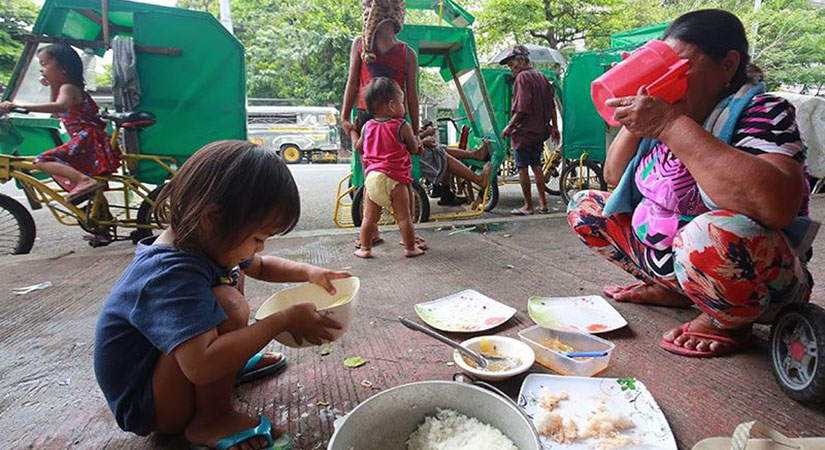
The warning centers on the risk that an unusually strong El Niño episode could suppress agricultural output, push up food prices, and place additional strain on low-income households — a dynamic that has historically coincided with increases in poverty incidence in the country.
El Niño is the warm phase of the El Niño–Southern Oscillation (ENSO), a recurring climate pattern marked by above-average sea surface temperatures in the central and eastern equatorial Pacific. Episodes typically develop every two to seven years and often persist for nine to twelve months. The most intense events on record, including those of 1997–1998 and 2015–2016, are commonly described as “super” El Niños.
The Philippines is among the countries most exposed to the phenomenon. Past episodes have brought prolonged dry spells and drought to parts of the archipelago, cutting production of rice, corn, and other staples, reducing farm incomes, and driving food prices higher. Agriculture accounts for a significant share of Philippine employment, and food represents a large portion of household spending for poorer families, making national poverty levels particularly sensitive to harvest shortfalls and price spikes.
These dynamics are magnified by the structure of the country's food supply: rice is the Philippine staple, and the nation has in recent years ranked among the world's largest rice importers, keeping domestic harvest levels and import volumes in close focus whenever drought threatens farm output. In previous episodes, Philippine authorities have turned to mitigation steps such as cloud seeding, adjusted planting calendars, and drought-tolerant seed varieties to limit crop losses, while the state weather bureau PAGASA issues regular El Niño advisories alongside seasonal ENSO outlooks from international monitors such as the World Meteorological Organization and the US Climate Prediction Center.
The original report is available at BusinessWorld Online: Group warns Super El Niño may worsen PHL's poverty rate

