Oil Tankers Flood Back Into Suez Canal As Red Sea Risk Grows
Key Takeaways
- •Suez Canal revenue reached $505 million in July 2026, up 42% from $355 million in July 2025.
- •Total vessel transits through the canal rose 27% year over year to 1,340 ships, with oil tanker traffic increasing to 526 from 485 in June.
- •Houthi threats and a blockade on Saudi shipments in the Red Sea and Bab el-Mandeb Strait have pushed Saudi and Western operators to reroute tankers through the Suez Canal.
- •Saudi Arabia is moving more crude from Yanbu by tanker to Ain Sukhna and then via the roughly 200-mile SUMED pipeline to Egypt's Mediterranean port of Sidi Kerir.
- •Longer diverted voyages tie up tanker capacity and raise freight costs, and canal traffic levels will depend on whether Houthi attacks on Saudi shipping persist.
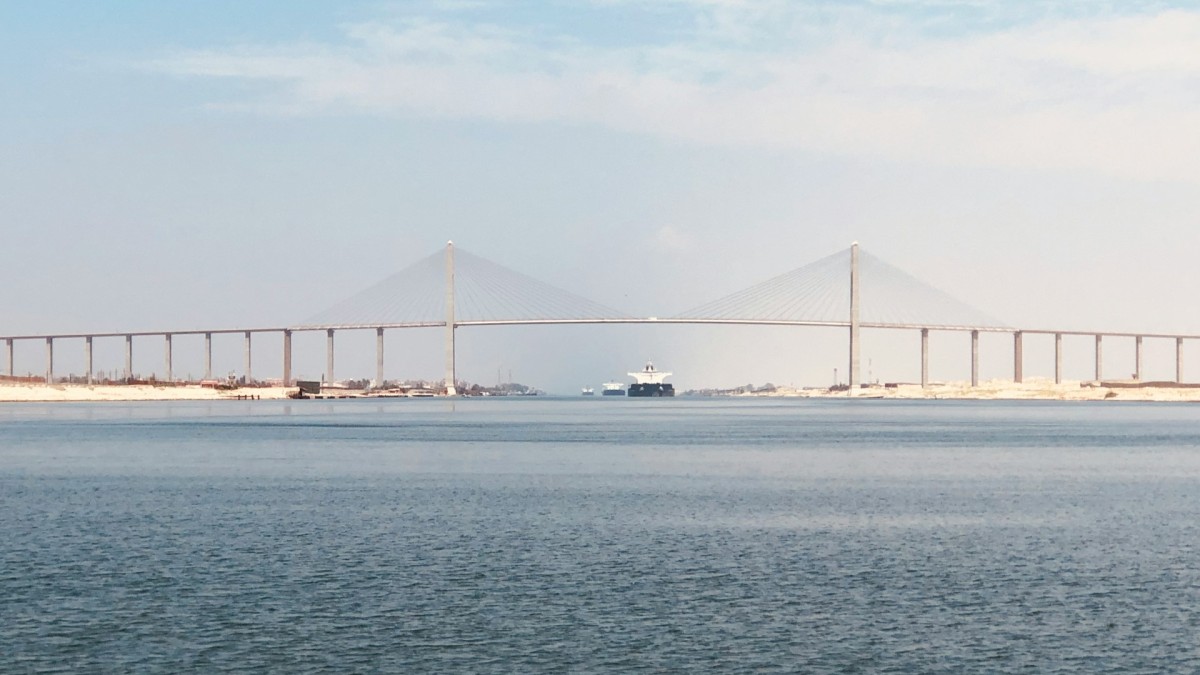
Suez Canal revenue jumped 42% in July compared with the same month last year, as the number of oil tankers passing through the Egyptian gateway to the Mediterranean surged amid threats to shipping in the southern Red Sea and the Bab el-Mandeb Strait.
Revenue rose to $505 million in July, according to data from Egyptian statistics agency CAPMAS cited by Bloomberg. That figure is well above the $355 million recorded in July 2025 and the $438 million generated in June 2026. The rebound marks a shift for the canal, which lost substantial traffic during the earlier phase of Red Sea attacks that began in late 2023, when many carriers avoided the route entirely and sailed around Africa's Cape of Good Hope instead.
The number of vessels transiting the Suez Canal in July 2026 climbed 27% year over year to 1,340 ships. Oil tanker traffic increased to 526 in July from 485 in June, following Houthi threats to shipping in the Red Sea and the Bab el-Mandeb Strait. For Egypt, whose foreign currency earnings depend heavily on canal tolls, the recovery in receipts matters: Suez Canal revenue had been one of the country's top sources of hard currency alongside tourism and remittances before the Red Sea disruptions cut it sharply.
Saudi Arabia, which had already re-routed most of its crude oil exports to the western Red Sea port of Yanbu due to the Strait of Hormuz crisis, has been forced to detour tankers further north to the Suez Canal and a pipeline leading to the Egyptian Mediterranean port of Sidi Kerir.
Since the Iran-aligned Houthis in Yemen announced a blockade on Saudi shipments in the southern Red Sea and Bab el-Mandeb Strait in July, Saudi Arabia has been shuttling more crude by tanker from Yanbu to the Egyptian Red Sea port of Ain Sukhna, and then via the SUMED onshore pipeline to Egypt's Sidi Kerir port. The SUMED pipeline, running roughly 200 miles across Egypt from Ain Sukhna to Sidi Kerir, has long served as the key overland alternative for moving crude between the Red Sea and the Mediterranean without transiting the canal itself.
The Houthi threat, which has resulted in several attacks on Saudi tankers in the Red Sea, has prompted Saudi and Western operators to divert laden tankers to the Suez Canal in Egypt in order to bypass the Bab el-Mandeb Strait.
Threats to shipping in the Red Sea and Bab el-Mandeb have already forced some oil tankers carrying Saudi crude to Asia to take a much longer route through the Suez Canal, the Mediterranean, and around Africa. Longer voyages tie up more tanker capacity and raise freight costs, which has historically supported tanker rates when large numbers of vessels are diverted onto extended routes. The coming months will show whether tanker traffic through the canal keeps climbing if Houthi attacks on Saudi shipping continue.
By Charles Kennedy for Oilprice.com.
