Metals Markets: Ira Epstein Reviews Oil, Gold, and the Yen Amid U.S.-Iran Tensions
Key Takeaways
- •Ira Epstein identifies tanker attacks and potential Strait of Hormuz navigation tolls as key factors heightening oil market uncertainty amid US-Iran tensions.
- •Some analysts project oil prices could reach $120 per barrel if tensions between Washington and Tehran persist.
- •China's fluctuating oil purchases add variability to global demand forecasts, as the country is the world's largest crude importer.
- •Epstein describes the metals market as quiet, with low trading volume, while yen movements influence positioning via the carry trade.
- •Gold shows bullish trends supported by technical indicators, though Epstein acknowledges current risk levels make trading conditions challenging.
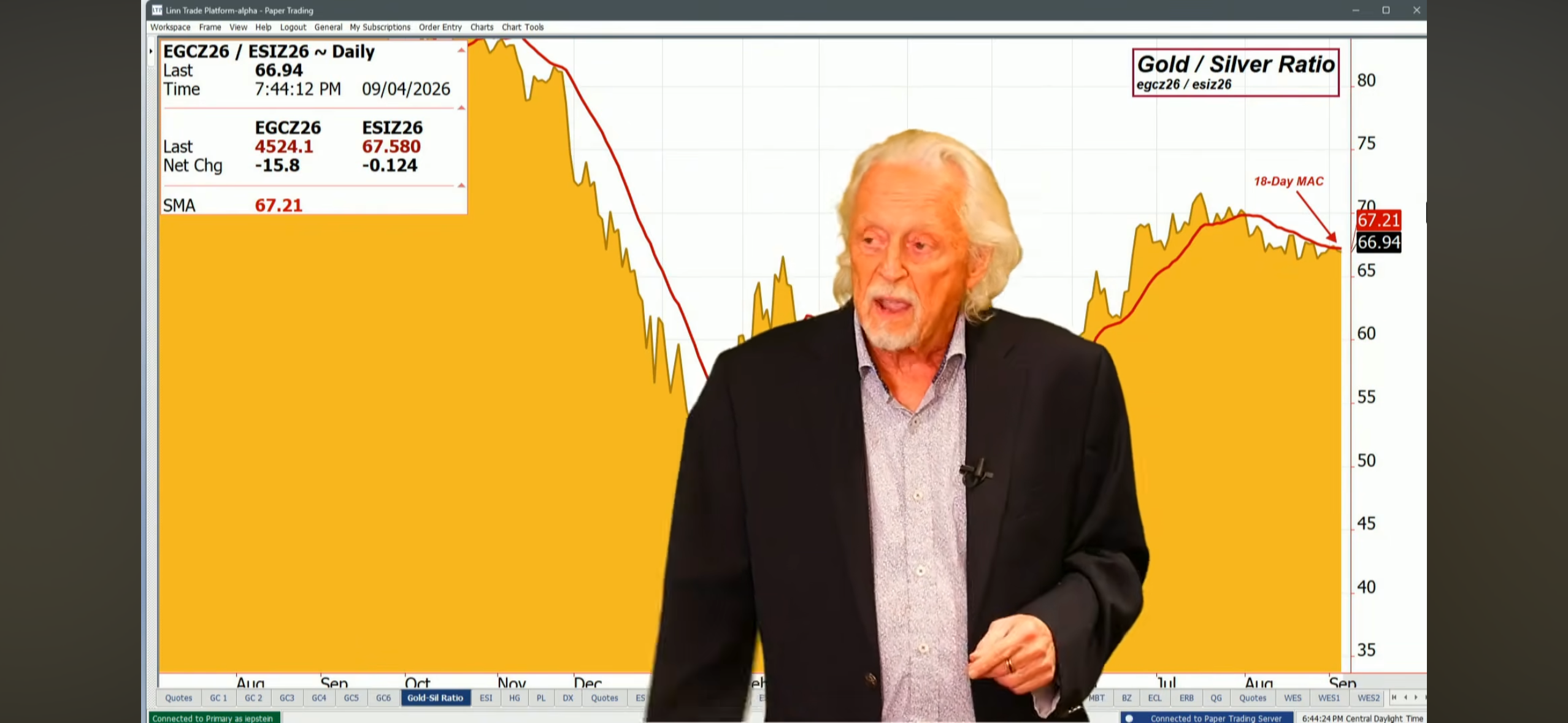
In his latest metals video commentary, futures market veteran Ira Epstein examines how geopolitical tensions between the United States and Iran are rippling through the oil market, and what the current environment means for metals traders.
Oil Market Under Geopolitical Pressure
Epstein points to a series of incidents involving tanker attacks as a key factor heightening uncertainty in the energy market, along with the possibility of navigation tolls being imposed in the Strait of Hormuz — the narrow chokepoint through which a significant share of the world's seaborne oil passes. The strait, which separates Iran from Oman and the UAE, handles roughly a fifth of global petroleum liquids consumption, so even the threat of disruption there tends to be reflected in freight costs and risk premiums. Against this backdrop, he notes growing speculation that oil prices could climb higher, with some analysts projecting $120 per barrel if tensions between Washington and Tehran persist.
Beyond the immediate geopolitical friction, Epstein touches on China's fluctuating oil purchases, which have added another layer of variability to global demand expectations. As the world's largest crude importer, China's buying patterns are a closely watched input for global demand forecasts. He also highlights strategic moves by the United Arab Emirates aimed at avoiding Iranian influence in the region.
Metals: Quiet Trading, Bullish Gold
In the metals market, Epstein describes a quiet trading environment characterized by low volume. He also analyzes recent movements in the Japanese yen, a currency closely watched by commodities traders for its influence on positioning and risk appetite — notably through the carry trade, in which investors borrow in low-yielding yen to fund positions in higher-yielding assets, a dynamic that can amplify moves across currencies and commodities when the yen shifts sharply.
On gold, Epstein notes bullish trends supported by technical indicators, even as he acknowledges that current risk levels make trading conditions challenging. Gold has long served as a traditional safe-haven asset that draws investor attention during periods of geopolitical stress, which is part of why the metal often reacts to developments in the Middle East.
About the Author: Ira Epstein
Ira Epstein is affiliated with IraEpstein.com and LINN & Associates.
Over the past 35 years, Ira Epstein has built a reputation for providing clients with easy-to-use technology and teaching what he calls "good old fashioned trading know-how." A number of the firm's brokers have more than 30 years of trading experience. As he puts it, no matter how technology changes the methods of entering orders, there is no replacement for having "been there and done that before." The firm's blend of services — education, market information, and trading platforms — is designed to bring those elements together.
Epstein began in the futures markets in 1969, working his way up from the ground as a "floor runner" and eventually becoming a Floor Trader. In the mid-1970s, he shifted his career focus within the industry toward developing both retail and commercial clientele. His customer base grew to the point that in 1984 he founded "Ira Epstein & Company," a trading firm specializing in retail, commercial, and self-directed discount futures trading.
Driven by increasing small-lot trade volume, Epstein became a leader in trading technology out of necessity, and he was among the first in the industry to embrace the Internet — a development that dramatically changed how information is delivered and how trading takes place today.
One of the ways Epstein and his brokers showcase their expertise is through e-mails of market information and Ira's "Futures Videos," which can be viewed on the firm's website, through Market Center, Linn-IraChart Software, and on YouTube.
Source: GoldSeek
