Fox Business Host Stuart Varney Says Trump Faces a 'Big Problem' He Cannot Fix Before the Midterms
Key Takeaways
- •Fox Business anchor Stuart Varney argued that President Trump's Iran war has become a problem he cannot fix, damaging both Americans and the Republican Party's midterm outlook.
- •Senate Majority Leader John Thune said midterm races are driven mainly by affordability concerns, particularly diesel prices in Midwestern farm states.
- •Trump's approval rating is underwater in nine of the ten top agricultural states, with disapproval in Texas approaching 60 percent.
- •The 10-year Treasury yield climbed to its highest level in nearly three years, pressured by war-driven defense and energy costs amid a $40 trillion national debt.
- •Former Deputy Treasury Secretary Michael Faulkender acknowledged that Treasury Secretary Scott Bessent's bond buyback did not reduce rates, with mortgage rates exceeding seven percent.
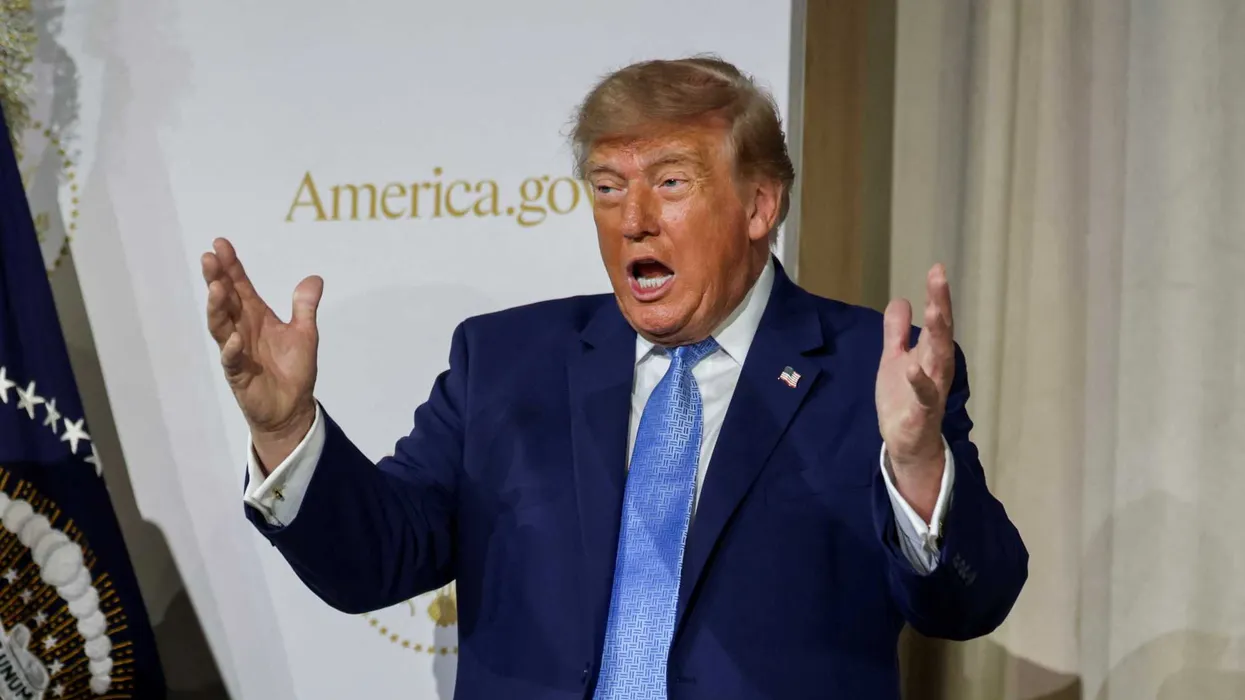
Fox Business anchor Stuart Varney said during his Tuesday segment that President Donald Trump has created a "big problem" that he is unable to fix, arguing that the issue is not only hurting Americans but also dragging down the Republican Party's prospects in the midterm elections.
Varney framed his remarks around voter priorities. "Senate Majority Leader John Thune says voters care more about affordability and prices than the Iran war," he noted, before playing a clip of the Republican senator. In the clip, Thune said: "Right now the races are more about affordability issues. It's the price of diesel in places like Iowa and Kansas and Nebraska and the Midwest, Minnesota. I think that's the issue, and what's happening is Iran has trumped everything else that's going on."
For the states Thune listed, diesel is a working cost rather than an abstraction — it powers tractors, combines, and the trucks that haul grain and livestock to market, so fuel prices land directly in farm operating budgets.
Recent polling supports Thune's assessment that voters in farm states are fed up with rising fuel prices. According to Newsweek, Trump's approval rating is underwater in nine out of 10 of the top agricultural states, including Texas, where his disapproval rating is near 60 percent.
Varney, however, emphasized the war itself as the defining liability. "The war has trumped everything else," he stressed, adding, "The war actually seems to be the big problem for President Trump at this moment." With the midterms — the elections that will decide the makeup of the next Congress — five weeks away, he argued, "there's not much you can do about that in the very short term."
Compounding the picture, his guest — former Deputy Treasury Secretary Michael Faulkender — pointed to other economic pressures, including skyrocketing bond yields driven by investor concerns over the country's ability to pay its fast-rising debt. As CNN explained in early September, the bond situation stems from several contributing factors, at the core of which is the war with Iran, which is "driving up US defense spending and the cost of oil, gasoline, diesel and jet fuel. That energy spike is reinforcing inflation worries in a bond market already nervous about America's $40 trillion mountain of debt."
CNN reported that the yield on the benchmark 10-year Treasury — a measure of how much the US government pays to borrow more money — climbed on Wednesday to its highest level in nearly three years. That bond market stress, the network noted, will make it more expensive for consumers to get a mortgage, for businesses to borrow, and for Washington to pay the bills.
Treasury Secretary Scott Bessent attempted to stabilize the market through a massive bond buyback program — under which the Treasury repurchases outstanding government securities from investors to manage the supply of federal debt in the market — and claimed the effort was a success. "It did not bring rates down," Faulkender admitted, noting that "mortgage rates, for example, have gone above seven percent," before arguing that the buyback had succeeded in less tangible ways.
"That's not the way voters see it though, is it?" replied a noticeably dubious Varney, who asserted that Americans want to see genuine improvement. Faulkender responded that such a change would only take place if the war was ended and the budget deficit was reined in. Five weeks from election day, that exchange effectively laid out the watch list: the war, the deficit, and the fuel and borrowing costs connected to each.
Varney remained unconvinced, laughing: "Yeah, budget deficit getting under control? Okay, I'll have patience waiting for that."

