Strategy's STRC Reclaims $100 Par for First Time Since May After Over $2 Billion in Buybacks
Key Takeaways
- •Strategy's STRC preferred stock reached its $100 par value on Wednesday for the first time since May, after trading below $80 at points in June.
- •The company deployed roughly $2.25 billion in share repurchases, including $204.9 million in the week of Oct. 19, alongside five months of dividend rate increases to defend the stated value.
- •Shareholders approved a switch to daily dividends on STRC and three other preferred issues on Oct. 28 with 99.3% support, eliminating the semi-monthly ex-dividend price drops that had added volatility.
- •With STRC back at par, Strategy can reopen its at-the-market share-sale program, the primary mechanism that funds its bitcoin purchases.
- •Strategy holds 849,327 BTC at an average cost of about $75,446 per coin, leaving the position roughly 4% above water with bitcoin near $78,300.
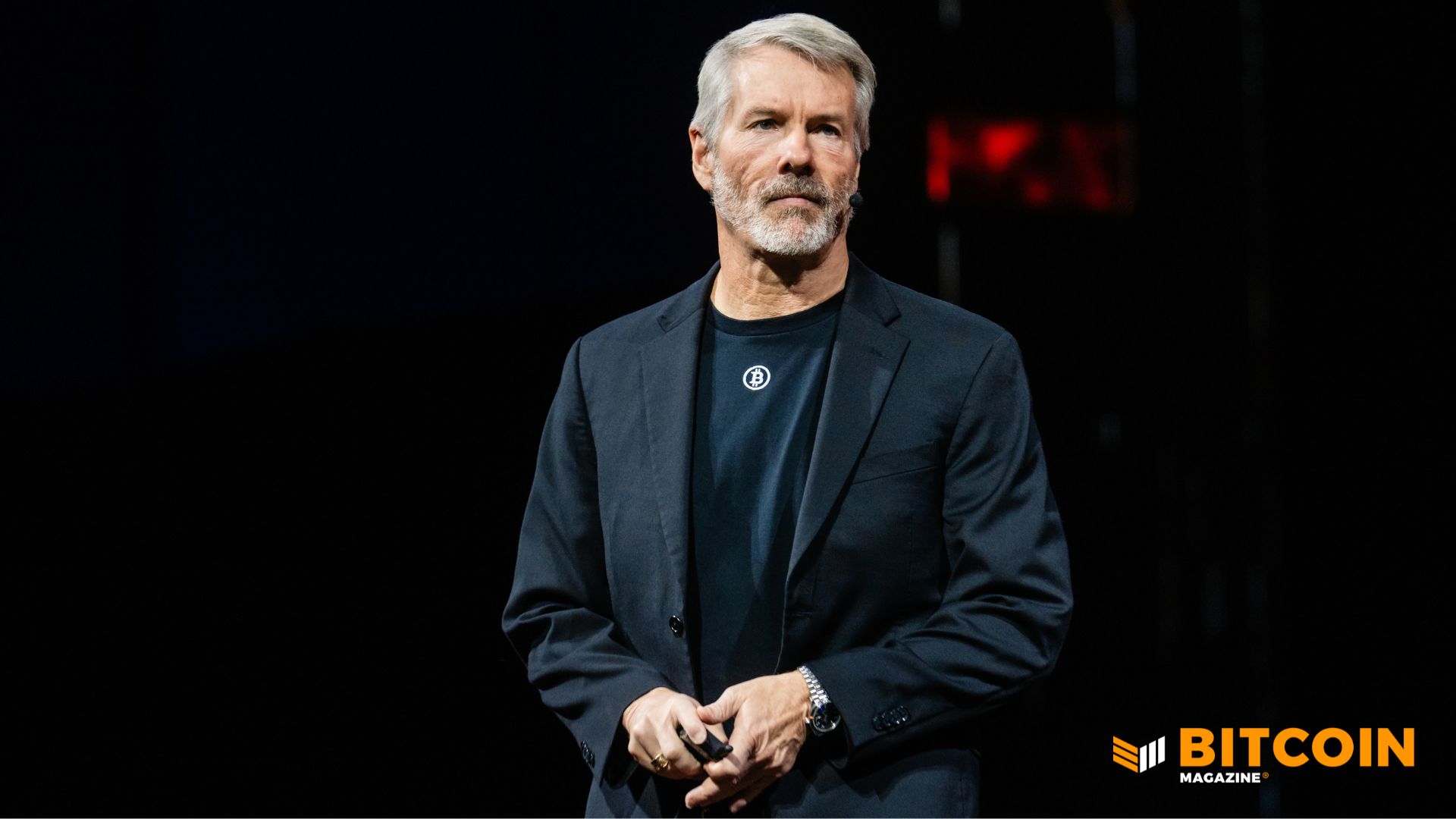
Strategy's Stretch preferred stock (STRC) climbed back to $100 on Wednesday, touching par for the first time since May and reclaiming the stated value the company has spent more than $2 billion in buybacks and five months of dividend rate increases to defend.
STRC traded below $80 at points in June, a massive discount to its stated value. The climb back restores the price at which Strategy says it will resume issuing new shares — the mechanism that funds its bitcoin purchases. Chairman Michael Saylor had pledged to keep the stock at or above par and to hold the dividend at 12% until it got there.
Two changes landed in the past week. On Oct. 28, shareholders approved daily dividends on STRC and three other preferred issues with a 99.3% vote, eliminating the semi-monthly ex-dividend drops that had added volatility to the price — a share's quoted price typically steps down by the payout amount at each ex-dividend date, so frequent ex-dates meant frequent dips. The first daily payment went out Monday. Separately, a Strategy filing on Oct. 29 set the November rate at 12% annualized, or $1 per share for the month.
Shares of Strategy (MSTR) rose more than 7% in Wednesday trading after bitcoin jumped above $80,000.
Bitcoin Magazine flagged the milestone on X:
BREAKING: Michael Saylor's STRC has returned to par for the first time since May! They will start buying more bitcoin as soon as it goes above $100 pic.twitter.com/niNmngTP1j
— Bitcoin Magazine (@BitcoinMagazine) November 4, 2026
What Stretch (STRC) Is and Why It Slipped
Stretch, the Variable Rate Series A Perpetual Stretch Preferred, launched in July 2025 at $90 with a 9% starting rate. Saylor called it the company's "iPhone moment." The design is a feedback loop: Strategy adjusts the dividend each month to hold the price near $100, sells new shares when they trade above par, and uses the proceeds to buy bitcoin. Because the shares are perpetual — they never mature, so there is no maturity date to pull the price back toward face value — that monthly rate reset is the company's main tool for steering the price.
The instrument grew into the largest tradable preferred stock in the world, reaching a market value above $8 billion, with a holder base that CEO Phong Le has put at roughly 80% retail. Preferred stock of this kind sits between bonds and common equity in a company's capital structure, paying contractual dividends that rank ahead of common payouts.
The loop broke earlier this year. STRC drifted below par in late January, and although Strategy raised the rate to 11.25% in February, 11.5% in March and 12% by summer, the price kept sliding as bitcoin fell toward $65,000. With STRC at $89, the at-the-market (ATM) share-sale program sat idle, cutting off the company's cheapest source of funding — ATM programs let a company sell newly issued shares into the market at prevailing prices, and this one was built to run only while the stock traded at or above par.
In late May, Strategy sold 32 BTC for about $2.5 million to cover a Stretch distribution — its first bitcoin sale since 2022. Critics raised the prospect of a "death spiral," a scenario analysts at Benchmark and TD Cowen disputed.
The fix was to buy the stock back. Strategy paused bitcoin purchases in the week of Oct. 19 and spent $204.9 million on STRC alone, part of the roughly $2.25 billion in shares it has retired since the discount opened. Each share bought below $100 shrank the float while reducing the dividend bill at the same time.
A Thin Cushion Under the Treasury
The recovery matters because of what sits beneath it. Strategy holds 849,327 BTC after adding 811 coins last week, at an average cost of about $75,446 per coin. With bitcoin near $78,300 on Wednesday, the position sits about 4% above water.
The company reported $20.91 billion in third-quarter operating income — almost all of it unrealized gains on holdings the company still owns, rather than cash already banked — alongside a negative year-to-date BTC yield and a chief financial officer stepping down.
The preferred stack is the bill that comes due regardless. STRC, STRF, STRK and STRD together carry annual dividends in the hundreds of millions of dollars, and the quarter's 5,552 BTC in sales went toward funding those payouts and the buybacks. A Stretch at par lets Strategy meet those obligations with new preferred issuance rather than coins. A Stretch at $89 does not.
The test now is whether Strategy reopens the ATM at $100 — and whether buyers are there to absorb the new supply. The November rate now in effect, the first full month of daily dividends, and any resumption of ATM sales will show whether the loop is running again.
This article first appeared on Bitcoin Magazine and was written by Micah Zimmerman.

