Strait of Hormuz Traffic Drops to Just Six Vessels as Iran Deal Hopes Fade
Key Takeaways
- •Only six commodity vessels transited the Strait of Hormuz on Monday, a significant drop from the 10-day average of 11 ships.
- •The Strait of Hormuz is a critical maritime corridor handling approximately one-fifth of global oil consumption and substantial seaborne LNG supplies.
- •Hormuz traffic has reached its lowest level in more than two months amid deteriorating security, including Iran's intensified control efforts and threats from Iran-aligned Houthi forces.
- •Bank of America estimates that 80 to 100 ships per day would need to transit the strait to stabilize energy markets, far exceeding the current 5 to 10 daily crossings.
- •Traffic through the nearby Bab el-Mandeb Strait remained steady at approximately 24 vessels, consistent with its recent 10-day average.
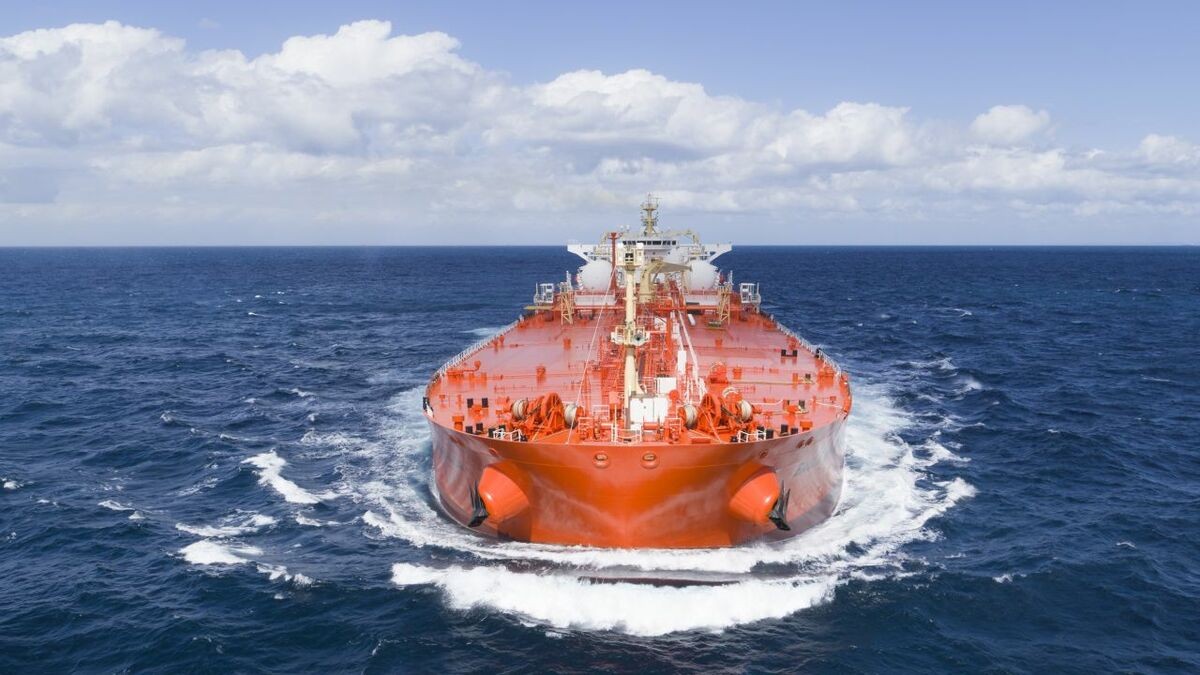
Vessel traffic through the Strait of Hormuz continued its sharp decline on Monday, with only six commodity ships transiting the critical chokepoint in either direction, as hopes for a U.S.–Iran negotiation framework faded once again.
The strait handles roughly one-fifth of global oil consumption and a substantial share of seaborne LNG, making it one of the most strategically important maritime corridors for energy supplies to Asia and Europe.
According to shipping data from Kpler cited by Reuters on Tuesday, the six crossings represent a significant drop from the 10-day average of 11 vessels. Four commodity ships moved inbound into the Persian Gulf, while two exited outbound. Bloomberg's data painted a similar picture, though it recorded only one outbound vessel, bringing its total commercial crossings to five.
The inbound vessels included two empty product tankers. Exiting the Persian Gulf were a small LNG carrier and a tanker transporting residual fuel, both carrying energy products destined for buyers.
Meanwhile, traffic at the Bab el-Mandeb Strait—the chokepoint linking the Red Sea to the Arabian Sea—remained steady on Monday, consistent with its 10-day average of approximately 24 vessels.
Hormuz traffic has now fallen to its lowest level in more than two months as security concerns intensify amid recent attacks on commercial shipping and persistent regional threats. The downturn follows a brief window between mid-June and early July, when transit volumes had risen following the tentative reopening of the strait under a now-defunct U.S.–Iran memorandum of understanding. By the end of July, overall vessel traffic—including commodity carriers—had plunged to a two-month low.
The security environment has deteriorated further over the past two weeks. Iran has intensified efforts to exert control over vessels transiting the Strait of Hormuz, while Iran-aligned Houthi forces have threatened Saudi-linked shipments in the Red Sea and the Bab el-Mandeb Strait.
Bank of America warned earlier this week that traffic through Hormuz would need to recover to nearly pre-war levels of roughly 80 to 100 ships per day merely to stabilize energy markets. Francisco Blanch, Bank of America's head of commodities and derivatives research, told CNBC on Monday that only about 5 to 10 ships are currently passing through the strait each day, compared with approximately 140 before the war. The current figures fall well short of that threshold, leaving energy markets exposed to further supply disruptions if the security situation does not improve.
Source: OilPrice.com, citing Reuters and CNBC. Originally reported by Zerohedge.com.

