Wall Street Falls as Oil Tops $102 and Treasury Yields Rise Above 5%
Key Takeaways
- •The Dow Jones Industrial Average fell approximately 200 points, or 0.4%, while the S&P 500 and Nasdaq Composite declined 0.2% and 0.1% respectively as higher yields and oil prices outweighed early strength.
- •The 10-year Treasury yield moved back above 5% and the two-year yield rose to 4.75%, increasing corporate borrowing costs and the relative appeal of fixed-income investments.
- •West Texas Intermediate crude rose 0.9% to about $102.82 per barrel as disruptions in the Strait of Hormuz continued, and Saudi reportedly informed European refiners they would receive no crude allocations next month amid the East-West pipeline shutdown.
- •Futures markets lifted the probability of an additional 50 basis points of Federal Reserve rate increases this year to 44.3% from 41.7%, following the Fed's 25-basis-point hike earlier this week, its first rate adjustment in three years.
- •Semiconductor stocks showed relative resilience with only modest weekly losses in the PHLX Semiconductor Index after a midweek selloff attributed to Anthropic and OpenAI statements calling for slower artificial intelligence development, while the Bank of Japan raised rates to their highest level in three decades.
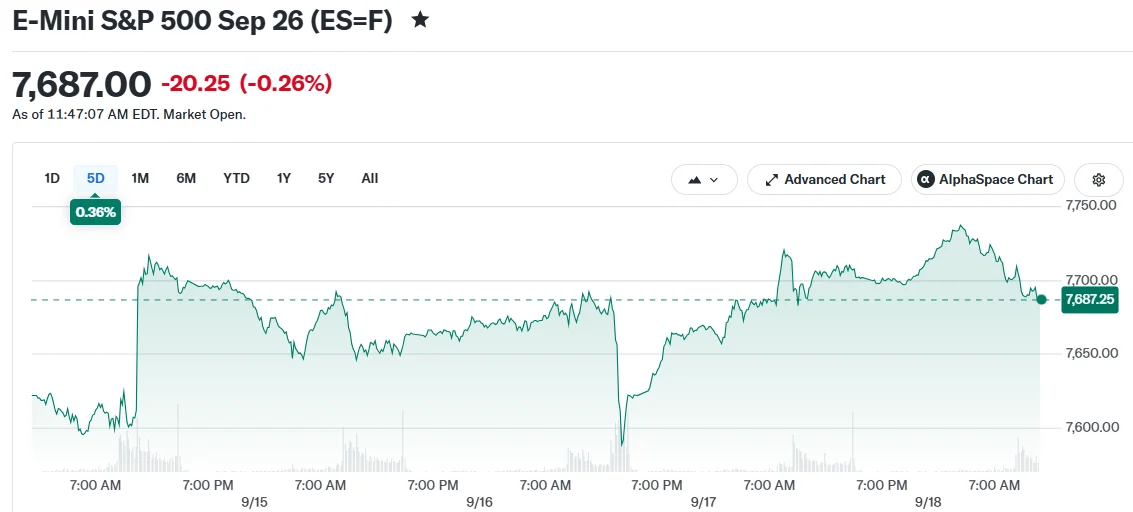
U.S. stock markets closed lower on Friday as rising Treasury yields and higher crude oil prices erased early gains in the Dow Jones Industrial Average, S&P 500, and Nasdaq Composite.
The Dow fell about 200 points, or 0.4%, while the S&P 500 declined 0.2% and the Nasdaq Composite lost 0.1%. Trading took place during a “triple witching” session, when stock options, stock index futures, and stock index options expire simultaneously. Such quarterly expirations typically bring heavier trading volume as expiring derivatives positions are settled or rolled into new contracts. Joe Mazzola, head trading strategist at Charles Schwab, warned that volatility could intensify in the coming week as investors reposition portfolios ahead of the quarter-end.
The benchmark 10-year Treasury yield moved back above 5%, while the two-year yield rose to 4.75%. Higher bond yields can weigh on equities by raising corporate borrowing costs and increasing the relative appeal of fixed-income investments. The 10-year yield in particular serves as a reference rate for a wide range of long-term borrowing, from corporate bonds to home mortgages, so moves above that level feed into credit conditions across the broader economy.
Oil Prices Add to Inflation Concerns
West Texas Intermediate crude futures rose 0.9% to approximately $102.82 per barrel after briefly declining during the session. Energy markets remain under pressure as supply disruptions in the Strait of Hormuz, linked to the protracted Iranian conflict now entering its seventh month, continue to push prices higher. The strait is one of the world’s busiest transit routes for seaborne crude, which is why disruptions there transmit quickly to global energy prices.
The Kobeissi Letter reported on X that Saudi Arabia had informed European refiners they would receive no crude oil allocations next month amid the East-West pipeline shutdown, citing Bloomberg. European customers normally receive Saudi crude shipments under “term contracts,” which are intended to provide a consistent supply. The post is available at https://x.com/KobeissiLetter/status/2100920542572265739?ref_src=twsrc%5Etfw.
The continuing disruption in energy markets is creating additional challenges for monetary policymakers worldwide as they address inflation. Earlier this week, the Federal Reserve raised its policy rate by 25 basis points, its first rate adjustment in three years. The decision matched market expectations and initially supported equities, but that reaction faded quickly.
Confidence that a single rate increase will be enough to contain inflation remains limited. JPMorgan Chase CEO Jamie Dimon told Yahoo Finance this week, “It’s not clear to me we’ve slayed inflation.” The interview is available at
Markets Price in Further Rate Increases
Futures markets increasingly reflect expectations for additional monetary tightening. Data from the CME FedWatch Tool showed that the probability of another 50 basis points in rate increases this year rose to 44.3% on Friday, from 41.7% the previous day. At the same time, the probability that rates would remain unchanged fell to 9.8%, from 11%. The tool derives those probabilities from the pricing of federal funds futures contracts.
Oil’s brief move below $100 earlier in the week offered temporary relief. Its subsequent rebound, however, has sustained inflationary pressure across the broader economy. West Texas Intermediate and Brent crude market data are available through Yahoo Finance at
Semiconductor stocks showed relative resilience during the week after a midweek correction. The PHLX Semiconductor Index recorded only modest weekly losses. The earlier selloff was partly attributed to statements from Anthropic and OpenAI calling for a slowdown in artificial intelligence development. Chipmakers are widely viewed as a barometer of sentiment toward artificial intelligence spending, a link that helps explain why such statements from AI developers carried weight for the group.
The Bank of Japan also raised interest rates this week, taking borrowing costs to their highest level in three decades and adding another factor to global market conditions.
With no major corporate earnings releases or economic reports scheduled for Friday, investors focused on how far the Federal Reserve might go if inflation remains persistent. The Dow was on track for a negative week heading into the closing bell. Looking ahead, attention is set to remain on quarter-end repositioning, crude flows through the Strait of Hormuz, and shifts in futures pricing for further rate moves.
Source: Blockonomi, https://blockonomi.com/wall-street-slides-as-crude-oil-surges-past-102-and-treasury-yields-spike

