Stocks Stabilize as Investors Buy the Dip and Rotate Out of Tech
Key Takeaways
- •Investors bought the dip after recent technology losses, lifting the S&P 500 by 0.33% while its equal-weight version gained 1.36% and 378 of its members closed higher.
- •Federal Reserve Chair Kevin Warsh did not signal an October rate increase in his IMF speech, and CME FedWatch futures now show an 85% expectation that the Fed will hold rates this month.
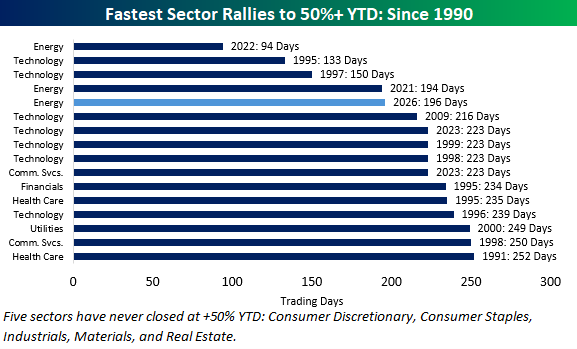
- •The S&P 500 energy sector is up 50% year to date, the first index sector to reach that mark this year, supported by AI data-center demand and Brent crude trading at $105 per barrel.
- •Analysts said the technology selloff has been halted and rotation into other sectors continues, though tech stocks are not yet fully out of the woods.
- •Asian markets led global gains, with South Korea's Kospi jumping 2.05% and Japan's Nikkei 225 rising 1.39%, while Europe's Stoxx 600 added 0.46% in early trading.
After a grueling couple of days for technology stocks—propelled by drama and speculation around CoreWeave’s debt—traders bought the dip over the past 24 hours, sending equities higher around the world. U.S. futures also pointed up ahead of the opening bell in New York.
Much of the gains came from outside the tech sector. The S&P 500 added 0.33% yesterday, while the tech-heavy Nasdaq was flat and the equal-weight version of the S&P climbed a solid 1.36%. That spread is a telling detail: an equal-weight index gives every member the same influence regardless of size, so its outperformance signals strength across companies of all sizes rather than a rally carried by a handful of mega-caps. “378 names in the S&P 500 were higher on the day,” Deutsche Bank’s Jim Reid noted. The benchmark index remains within 1% of its record high.
“The selling in tech has been stopped in its tracks, while the rotation into other sectors continues. Tech stocks aren’t out of the woods yet, but rotation of this kind is just what investors need to see, even if it is a deeply painful experience for tech fans,” Chris Beauchamp, chief market analyst at trading platform IG, told Fortune in an email.
Warsh’s Words Did Not Sound Harsh
Investors also listened closely to Federal Reserve Chair Kevin Warsh’s speech at the International Monetary Fund—and they liked what they didn’t hear. He did not signal an interest rate rise in October. CME FedWatch futures now show an 85% expectation that the Fed will hold rates later this month. Stock investors generally welcome a central bank standing pat on rates, since it means borrowing costs will remain stable. The October decision, due later this month, is now the next checkpoint for that expectation.
“With Federal Reserve Chair Warsh refusing to give forward guidance on policy at the IMF meetings—then giving forward guidance of a sort. Warsh failed to sound hawkish,” UBS’s Paul Donovan told clients this morning. “The word of Warsh carries relatively little weight, but this chimes with [New York] Fed president [John] Williams’s earlier remarks. Expectations for an October rate increase are fading.”
S&P 500 futures were up 0.42% this morning, after the index rose 0.33% in the previous session.
In Europe, the Stoxx 600 gained 0.46% in early trading, while the U.K.’s FTSE 100 was flat by midday.
In Asia, South Korea’s Kospi jumped 2.05%, Japan’s Nikkei 225 rose 1.39%, India’s Nifty 50 added 0.36%, and China’s CSI 300 edged up 0.11%.
Brent crude traded at $105 per barrel, while Bitcoin changed hands at $82,101.
Energy Stocks Hit a 50% Gain for the Year
Shares in the S&P 500’s energy sector—buoyed by demand from AI data centers and the rising price of oil—are up 50% year to date, according to Bespoke Investment Group, making it the first of the index’s official sectors to hit that mark this year. The group said this year’s rally ranks fifth among all 50% sector gainers since 1990. Brent crude’s $105-per-barrel price is the visible oil-market backdrop for that run, and demand from AI data centers gives the index a source of leadership well outside the technology names at the center of the recent turbulence.
This story was originally featured on Fortune.com.

