Stock Market Today: Treasury Buybacks Lift Tech as Chips, Crypto and Moderna Lead
Key Takeaways
- •Treasury buybacks of older long-dated bonds helped push yields lower and improved the backdrop for growth stocks.
- •South Korea’s Kospi rose about 6.1%, led by SK Hynix and Samsung Electronics after Wednesday’s semiconductor selloff.
- •Moderna and Merck jumped after their personalized mRNA melanoma treatment met Phase 3 goals with Keytruda.
- •Bitcoin moved toward $70,000 as Strategy and Coinbase advanced, while Ethereum’s breakout suggested broader crypto participation.
- •Walmart, Alibaba and Deere earnings could shift market attention later in the U.S. session.
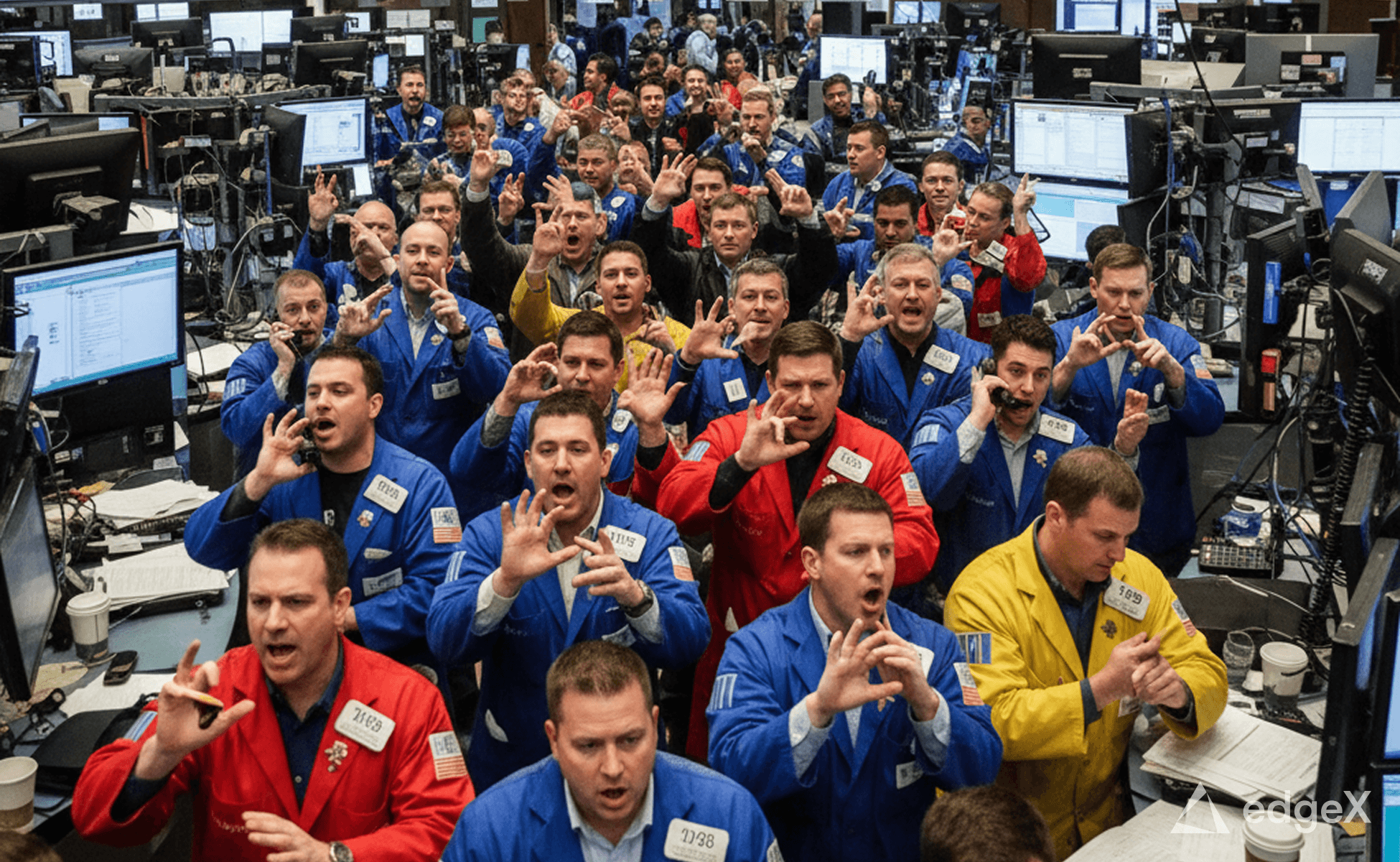
U.S. stock futures pointed to a higher open on Thursday as a Treasury buyback program pushed long-term bond yields lower, lending support to technology and other growth assets. At approximately 03:15 ET, regular U.S. premarket trading had not yet begun; Nasdaq futures were around 0.4% higher, while S&P 500 futures were up approximately 0.15%.
The session is shaped by four main storylines. South Korea's chipmakers are rebounding sharply after Wednesday's severe AI-chip selloff, but U.S. chip stocks still need to confirm the recovery. Moderna's 177% surge reflects major new clinical information rather than merely a sector rebound. In crypto, Bitcoin is nearing $70,000 while Ethereum's breakout suggests the rally may be broadening. The main risk, highlighted by the latest FOMC minutes, is that higher interest rates remain possible if inflation does not continue falling.
Which stock moves matter most?
Why is the Treasury buyback helping technology stocks?
The U.S. Treasury expanded its purchases of older, longer-dated government bonds. These operations can improve bond-market liquidity and increase demand for long-term debt, which helped push yields lower. The regular buyback program began in 2024 as a liquidity-management tool for older, off-the-run securities — the first sustained effort of its kind in more than two decades — and it operates within the Treasury's existing issuance calendar, so it does not reduce the total amount of government debt outstanding.
The shift matters for equities because long-term yields are used when investors calculate what a company's future profits are worth today. When yields fall, distant future earnings become more valuable in present-day terms. Technology and AI companies are particularly sensitive because a large share of their expected value depends on profits projected many years into the future. Investinglive's deeper analysis asks whether the U.S. Treasury buyback could become a game changer for markets.
Traders should not, however, confuse a Treasury buyback with the Federal Reserve launching quantitative easing. The operation can improve market functioning and temporarily reduce pressure on yields, but it does not eliminate government borrowing, inflation risk or the possibility of higher interest rates. That distinction is especially important after the latest FOMC minutes showed that many participants believed higher rates could become necessary if inflation failed to decline. In simple terms, the Treasury has relieved some pressure in the bond market, while the Fed is still warning that monetary policy may need to remain restrictive.
Is the semiconductor selloff reversing?
South Korea's Kospi is up approximately 6.1%, with SK Hynix gaining 14.1% and Samsung Electronics rising 9.7%. The advance follows Wednesday's severe AI-chip selloff, but the two moves should not be interpreted in exactly the same way. Both companies are among the world's largest producers of high-bandwidth memory (HBM), the advanced memory chips paired with AI accelerators in data centers, which ties their shares closely to AI infrastructure spending and helps explain why they fell hard in Wednesday's selloff and are rebounding with it.
SK Hynix has a powerful company-specific catalyst through its planned $28.6 billion share repurchase and cancellation program. Samsung's rally appears more closely connected to the wider semiconductor rebound, falling yields and short covering.
The next confirmation should come from U.S. chip stocks such as Sandisk, Micron, Nvidia and Broadcom. If these stocks follow the Korean chipmakers higher, Wednesday's selloff may increasingly look like a positioning flush. If they fail to respond despite lower yields, it would create a bearish divergence and suggest that investors remain concerned about AI valuations.
The broader takeaway: a rebound becomes more trustworthy when related companies and markets confirm it. One stock rising can be company-specific; an entire sector rising provides stronger evidence of changing risk appetite.
Why is Moderna different from the semiconductor rebound?
Moderna surged 177.2%, while Merck gained 12.6%, after their personalized mRNA melanoma treatment met important Phase 3 goals when combined with Keytruda, Merck's top-selling cancer immunotherapy. This is an example of a fundamental re-rating: new clinical information materially changed what investors believe the treatment — and Moderna's wider mRNA platform — could eventually be worth. According to Reuters, the trial showed a statistically significant improvement in reducing melanoma recurrence and metastasis compared with Keytruda alone. The result carries weight beyond a single trial: Moderna has spent the years since the pandemic seeking to show its mRNA technology can succeed beyond Covid vaccines, as pandemic-era vaccine sales and the share price fell sharply from their peaks.
A major scientific success does not remove every investment risk, however. Investors still need to assess:
- The complete Phase 3 data
- Overall survival results
- Regulatory discussions and approval timing
- Manufacturing costs and eventual pricing
- How much commercial success is already reflected in the new share price
After a 177% move, Thursday's trading may be driven as much by profit-taking, short covering and options hedging as by new fundamental analysis, which makes chasing the first move particularly risky.
What does the crypto rally tell stock investors?
Strategy, the enterprise-software firm that holds one of the largest corporate Bitcoin treasuries, rose 12.6% and Coinbase gained 9.6% as Bitcoin moved toward $70,000. The more interesting development may be Ethereum's relative strength: as discussed in Investinglive's latest Bitcoin and Ethereum market update, Ethereum's eight-hour breakout suggests participation may be spreading beyond Bitcoin. Broader participation is generally healthier than a rally led by one asset, indicating that investors are becoming willing to take risk across more of the crypto market.
Still, Strategy and Coinbase are not interchangeable Bitcoin investments. Strategy often behaves like a leveraged Bitcoin proxy and can move more sharply than Bitcoin in either direction. Coinbase is affected by crypto prices, trading activity, regulation and expectations for transaction revenue. Their larger percentage moves can create opportunity, but they also introduce company-specific and volatility risks that do not exist when holding Bitcoin directly.
Is the Nasdaq breakout holding or failing?
The decline in yields and the rebound in Asian chip stocks provide a supportive opening backdrop. The technical question is whether buyers can defend the Nasdaq's recent breakout area or whether the rebound fades after the U.S. market opens. Investinglive's Nasdaq chart of the day examines whether the breakout is being successfully retested or beginning to fail.
Three signals can help answer that question:
- Treasury yields: Continued stability or further declines would support growth-stock valuations.
- Semiconductor breadth: Nvidia, Micron, Sandisk and Broadcom should participate if the rebound is genuine.
- Breakout acceptance: Nasdaq futures should hold the breakout area rather than briefly trading above it and falling back below.
A retest occurs when price returns to a previous breakout area. Holding that area suggests former resistance is becoming support; falling decisively back below it increases the risk that the breakout was false.
What should traders watch during Thursday's U.S. session?
Earnings from Walmart, Alibaba and Deere may substantially change the mover list after their results arrive. Walmart, the largest U.S. retailer by revenue, is particularly important as a read on consumer spending, pricing power and inflation.
The practical lesson is to separate the catalyst from the confirmation. The Treasury announcement created the supportive macro catalyst, but the response from yields, semiconductors and the Nasdaq will show whether investors are willing to sustain the move.
This market update is intended for education and decision support. It is not a recommendation to buy or sell any security, and unusually volatile stocks require especially careful position sizing and risk management.

