Amanda Staveley Targets 'Big Property Play' as West Ham Stake Deal Nears Completion
Key Takeaways
- •Amanda Staveley's consortium has agreed to purchase a 25.1 per cent stake in West Ham United from Vanessa Gold for a reported £150 million investment.
- •The transaction could place an approximate £600 million valuation on West Ham, which was relegated to the Championship last season.
- •Staveley has signalled that the investment will include a major property development initiative around the London Stadium rather than focusing solely on football operations.
- •Czech billionaire Daniel Kretinsky holds pre-emption rights that could potentially take precedence over Staveley's agreement for the Gold family stake.
- •The London Stadium costs UK taxpayers approximately £19 million annually and operates under a complex ownership structure involving the Greater London Authority.
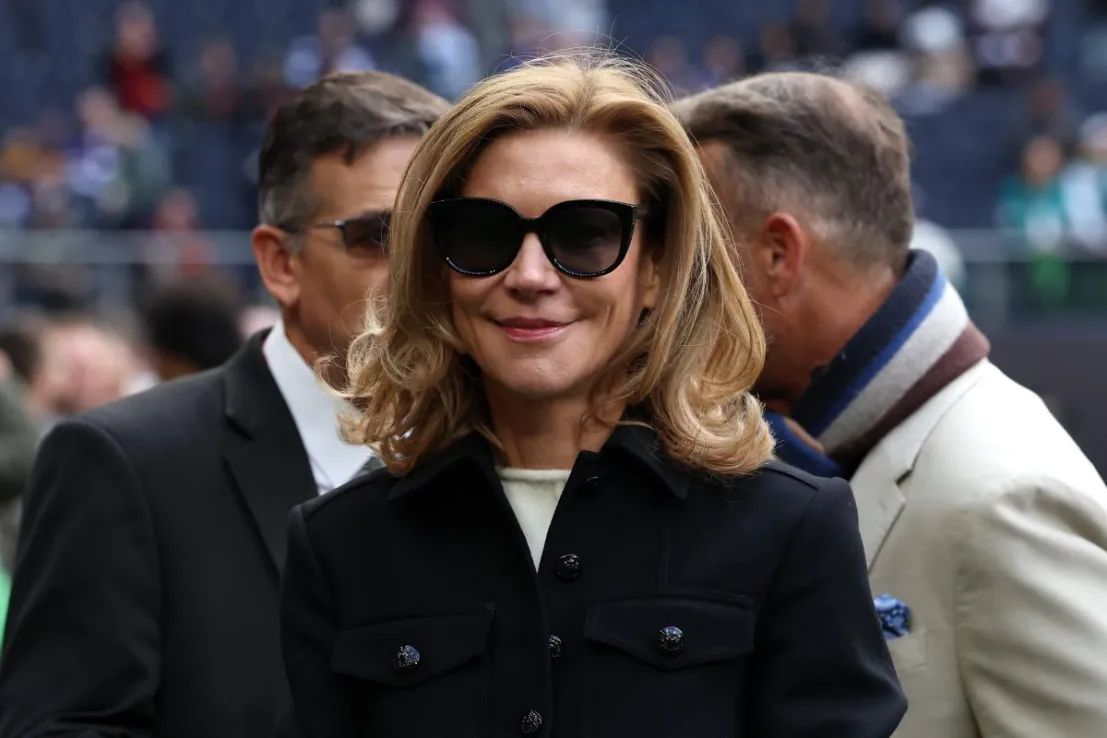
Amanda Staveley has revealed plans for a major property initiative tied to English football as she moves closer to finalising the purchase of a minority stake in West Ham United.
Staveley, alongside her husband Mehrdad Ghodoussi and additional investors, has agreed to acquire a 25.1 per cent stake in the club from Vanessa Gold, daughter of the late former West Ham co-owner David Gold. The agreement was confirmed by Gold on Saturday.
Reports indicate that the £150 million investment could place a £600 million valuation on the club, which was relegated to the Championship last season. Staveley has also suggested that the deal could lead to alterations at the London Stadium, originally constructed for the 2012 London Olympics and leased by West Ham since their relocation from the Boleyn Ground in 2016. The venue is operated under terms negotiated by former club chief Baroness Karren Brady with a subsidiary of the Greater London Authority.
Speaking on an episode of Bloomberg's Leaders with Francine Lacqua, recorded prior to West Ham's confirmation of her agreement with Gold, Staveley said: "Whatever club we take, there'll be a big property play as well. We won't just do a football-led."
"I just want a challenge, and that's what excites me," she continued. "That's where you get value uplift — when you take something from seedling and allow it to grow."
The reference to a property play reflects a wider pattern in English football, where clubs have increasingly used stadium and adjacent-site development to diversify revenue. Tottenham Hotspur's new stadium, for example, incorporates retail, entertainment, and NFL-use components alongside its primary football function.
The 53-year-old previously played a role in the 2008 sale of Manchester City to Sheikh Mansour bin Zayed Al Nahyan and facilitated Saudi Arabia's Public Investment Fund acquisition of Newcastle United in 2021 for £305 million, a transaction through which she obtained a six per cent stake in the club. The West Ham deal marks her return to English football ownership following the divestment of her Newcastle holding and after speculation linking her with Tottenham Hotspur did not materialise.
West Ham Ownership Landscape
Daniel Kretinsky, the Czech billionaire who owns Royal Mail, could yet emerge as a rival bidder for the Gold stake. He reportedly reached an agreement earlier this year that would elevate him to the position of the club's largest single shareholder and holds pre-emption rights that could take precedence.
David Sullivan, who stepped down as co-chairman in June, currently remains the club's largest shareholder. However, his long-term position at West Ham is uncertain amid allegations regarding his historical conduct, which he has denied.
The extent to which Staveley's consortium might reshape arrangements around the London Stadium — which costs UK taxpayers approximately £19 million annually — remains unclear given its complex ownership structure. Tensions have surfaced between the club and City Hall regarding the stadium's potential availability for an Athletics World Championships in 2029.
In a statement, Vanessa Gold said: "I have now reached an agreement to sell my family's shareholding to a consortium of PCP Capital Partners, led by Amanda Staveley and Mehrdad Ghodoussi, in partnership with Ashland Forest Capital Partners."
"While the process has not yet concluded, I wanted to be open with our fans about where things stand and my intentions," she added.
The London Stadium, which costs taxpayers £19 million per year, has been a subject of ongoing debate, as has the broader question of its long-term legacy use.

