Trump's Chinese Election Hacking Claims Unravel as States Deny Data Breaches
Key Takeaways
- •Twelve of the fifteen states identified by Trump as compromised state they were never notified of any data breach affecting their systems.
- •Intelligence materials indicate China may have acquired voter data through non-governmental channels such as political parties and commercial data firms rather than by hacking election infrastructure.
- •Election security experts concluded the activities were consistent with intelligence gathering rather than election interference, with no evidence that any data was modified or deleted.
- •The Cybersecurity and Infrastructure Security Agency previously declared the 2020 election the most secure in American history, and multiple court challenges to the results were dismissed at both state and federal levels.
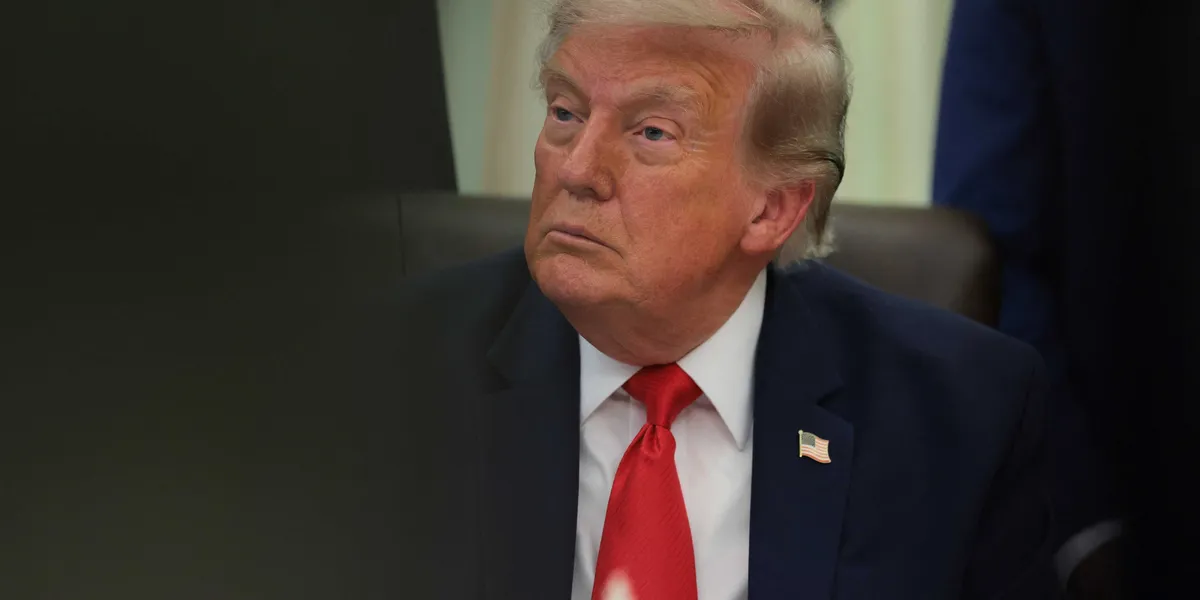
President Donald Trump's allegations that China conspired to undermine the 2020 U.S. elections through hacking are coming under significant challenge, according to reporting by The Washington Post.
Twelve of the 15 states that Trump identified as "compromised" in declassified documents have stated they were never notified of any data breach affecting their systems. Florida's Department of State issued an explicit denial, saying its voter registration data "has not been hacked."
Declassified intelligence materials and responses from state officials indicate that China may have acquired voter data through non-governmental channels, such as political parties and commercial data compilation firms, rather than by penetrating election infrastructure. This distinction matters because voter registration information is partially public in most states, and detailed consumer data profiles are widely sold by commercial brokers, making it possible to obtain large volumes of voter-related data without accessing any government system. Experts who reviewed the available evidence concluded that these activities were consistent with intelligence gathering rather than election interference.
Pamela Smith, president of Verified Voting, a nonpartisan organization focused on election integrity, told The Washington Post: "They haven't changed data. They haven't modified data. They haven't deleted data. They just have some data."
These findings mark another setback for Trump's broader claims of election fraud, which have faced repeated fact-checking challenges. The allegations had been presented during a primetime presidential address, where they were subsequently questioned by election security experts and officials.
The 2020 U.S. presidential election has been the subject of extensive review by federal agencies, courts, and state election authorities. The Cybersecurity and Infrastructure Security Agency (CISA), which operates under the Department of Homeland Security and coordinates election security efforts with state and local governments, previously called the 2020 election "the most secure in American history." Multiple legal challenges contesting the results were dismissed by courts at both the state and federal levels.

