Former DOJ Prosecutor's Pardon-Proof Plan: State Prosecutors Take On Corruption
Key Takeaways
- •Kate Gilbert, a former federal prosecutor who served as acting deputy chief of the Justice Department's Civil Rights Division, urges state and local prosecutors to pursue public corruption cases because presidential pardon power does not extend to convictions in state courts.
- •More than 21,000 prosecutors, investigators, and support staff have left the Justice Department since January 2025, and the office handling traditional corruption cases fell from 36 prosecutors to two last year.
- •Nearly 90 percent of Americans now believe government corruption is widespread, a historic high, and corruption ranked among the leading motivations for voters in this month's midterm elections.
- •The Justice Department closed more than 23,000 federal criminal investigations in the first half of 2025, and the erosion extended to the Treasury Department's tax and IRS workforce and the loss of more than 20 inspectors general.
- •Gilbert called on Congress and state governments to fund state and county prosecutors, many of whom lack resources and investigators trained for document-intensive financial corruption cases.
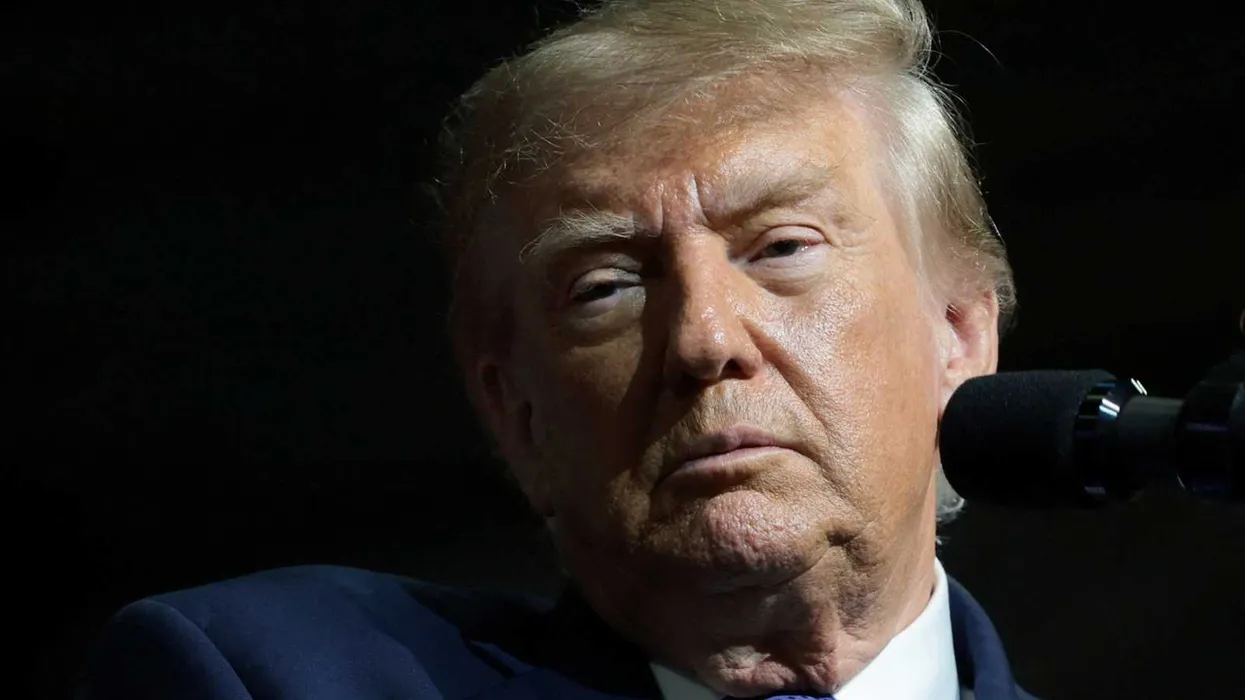
Kate Gilbert, a former federal prosecutor who spent more than eight years investigating and prosecuting corrupt and abusive public officials, says Americans seeking accountability should not count on Trump's Justice Department to provide it. In an opinion piece for The New York Times, Gilbert — who served as acting deputy chief of the department's Civil Rights Division — calls instead on state and local prosecutors to take up the work, in venues where a president cannot pardon people out of a problem.
Gilbert framed the stakes as extending beyond any single case. If there is no accountability for corruption and abuse of power, she wrote, "this country may well give up on democracy altogether."
Public sentiment, she argued, bears out the concern. More Americans voted in this month's midterm elections over worries about corruption than almost any other issue, including the cost of living and the war in Iran. Nearly 90 percent of Americans now believe government corruption is widespread — a historic high.
Democrats in Congress have pledged to use their new oversight powers to investigate officials in the Trump administration. But Congress typically relies on the Justice Department to prosecute any crimes such investigations uncover — criminal contempt citations from Capitol Hill, for example, are referred to the department for prosecution — and Gilbert wrote that the department has been gutted.
More than 21,000 prosecutors, investigators and support staff have left the Justice Department since January 2025, she wrote. The office that once handled traditional corruption cases fell from 36 prosecutors to two last year, and the department closed more than 23,000 federal criminal investigations in the first half of 2025 alone. Its once-bustling buildings, she wrote, now stand eerily empty.
Rebuilding under a new president elected in 2029 would be difficult, Gilbert wrote: many departed staffers will not return, corruption cases can take years to investigate, and the statute of limitations for such crimes is generally five years. By the time the Justice Department is back in gear, it may be too late to prosecute the very corruption that infuriated voters this fall.
The erosion extends beyond the Justice Department, she noted. Thousands of tax inspectors and IRS agents have left the Treasury Department, and more than 20 inspectors general who oversaw various federal agencies are gone.
Her answer is to go local. The same corruption outlawed by the federal government is typically outlawed in most states. Yet many state and county prosecutors are not well funded, or lack investigators trained for document-intensive financial corruption cases. Gilbert called on Congress and state governments to fund those capabilities.
Local prosecution also carries structural advantages, she wrote. The Constitution's pardon power extends to offenses against the United States, while states run their own parallel systems of prosecutors and courts — meaning a president cannot pardon someone who is convicted in a state court system. Most district attorneys and attorneys general are elected, making them more directly accountable to voters. The concrete test for Gilbert's proposal is whether Congress and state governments appropriate the funding she calls for, and whether elected prosecutors assemble the investigative capacity to pursue document-intensive financial cases — questions that will be decided in budget deliberations and at the ballot box, not in a single courtroom.

