State Department Pushing Out Experienced Diplomats in Favor of Trump Loyalists, Insiders Say
Key Takeaways
- •Roughly 3,500 foreign service workers have left the State Department since President Trump took office, including about 1,300 in 2025 alone, with the overwhelming majority departing from senior posts or one level below, according to the American Foreign Service Association.
- •Nine current and former employees told the Washington Sun that senior officials are directly asking longtime diplomats to retire and reassigning top career staff to the Administration Bureau, which employees describe as a place where careers go to die.
- •Employees said the department relies on the Ben Franklin Fellowship, described as a Trump-aligned network, in hiring and promotion decisions, and that new hires are expected to align with the goals of the current government.
- •State Department spokesperson Tommy Pigott responded to the criticism by saying that bureaucrats complaining to the press prove they should not and cannot be trusted with sensitive information.
- •Departing staff, including former diplomat Kelly Adams-Smith, warned that losing experienced officers removes decades of relationships and institutional knowledge that younger staff cannot fill, increasing the risk of poorly informed decisions.
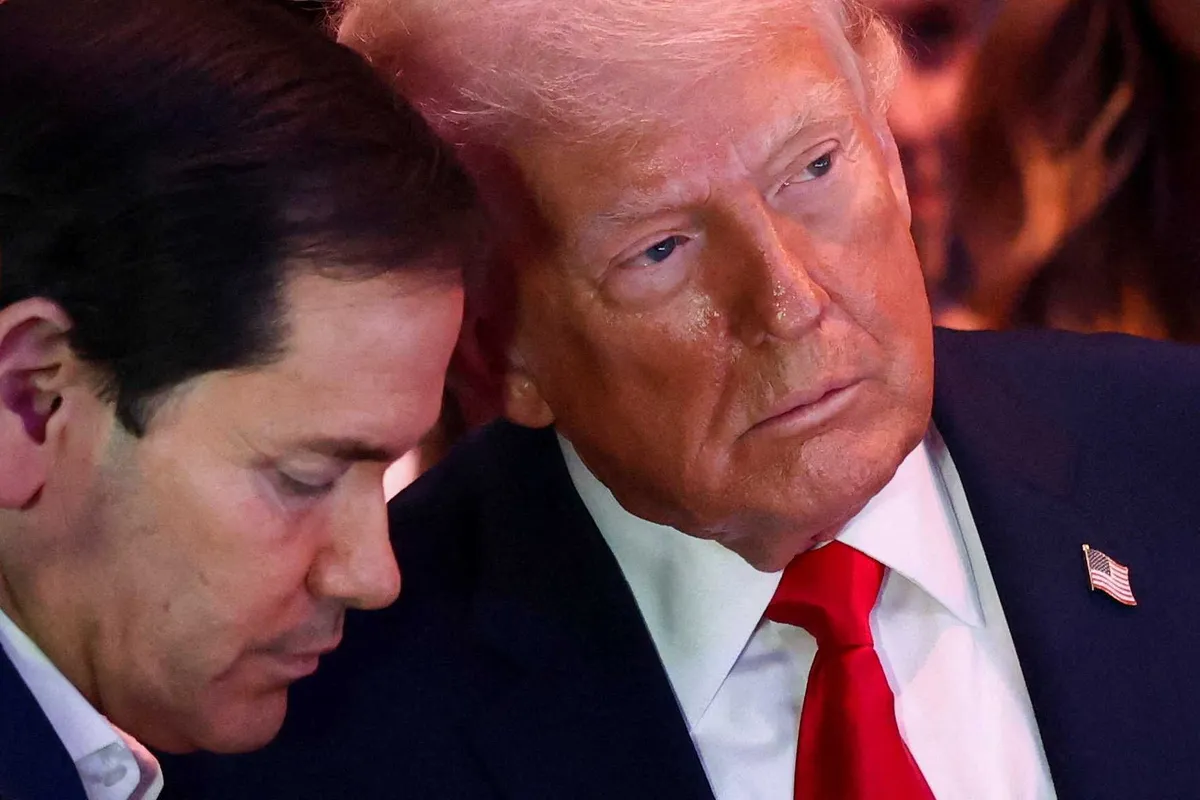
The U.S. State Department is pushing experienced diplomats toward retirement while elevating staff loyal to President Donald Trump and his agenda, according to current and former employees who spoke with the Washington Sun.
In a Wednesday report, nine current and former staff members described an agency being run into the ground as career experience gives way to political ideology.
According to some of those sources, senior department officials are directly asking longtime employees to retire. Others said top career staff have been reassigned into the Administration Bureau, which employees consider a "purgatory" where careers "go to die."
"A whole lot of senior foreign service have left because there are no jobs for them," one current foreign service officer said.
The report noted that the State Department operates under a system similar to the military's "up or out" model, in which employees are removed if they are not being promoted. The Foreign Service is the career corps that staffs U.S. embassies and consulates worldwide, and its officers have traditionally been expected to serve successive administrations of both parties, a structure that places the tension between institutional expertise and political loyalty at the center of how American diplomacy is conducted.
Roughly 3,500 foreign service workers have left the department since Trump took office. The American Foreign Service Association, the professional association representing U.S. Foreign Service personnel, reported that the overwhelming majority of those departures came from senior posts or one level below. About 1,300 came in 2025 alone. Because those posts concentrate the department's most seasoned officers, the departures thin the ranks precisely where institutional knowledge runs deepest.
Current and former employees also said the department is relying on the Ben Franklin Fellowship, described as a Trump-aligned network through which like-minded individuals can be identified and promoted, in hiring and promotion decisions. One employee said they were told during an interview that the process was just for show because a fellowship member had already been selected.
New hires, meanwhile, are expected to align themselves with the goals of "the current government," meaning loyalty takes precedence over experience. Younger employees, lacking the financial stability to resign, find themselves committing to the Trump loyalty pledges and sticking with leadership.
State Department spokesperson Tommy Pigott responded to the criticism. "Those bureaucrats who are complaining to the press prove the point that they shouldn't have, and can't be, trusted with sensitive information," he said.
Former diplomat Kelly Adams-Smith said she left after concluding that her expertise was neither valued nor welcome. Other departing staff warned that experienced officers take decades of relationships and institutional knowledge with them, and that younger staff cannot simply fill the gaps.
According to the report, the diplomatic corps is for the first time grappling with a question of which matters more: doing what is right for the United States or executing the president's personal political agenda. The former path means having difficult conversations grounded in inconvenient facts, which could invite retaliation. Sidelining such officers, the employees cautioned, increases the risk of poorly informed decisions and could even lead to an international disaster.
"Honest advice is not being rendered," one former diplomat said. "At some point, god forbid, something is going to come back and bite them, and maybe all of us, in the behind."

