Rubio's State Department Awarded Contract to Tech Firm Months After Kremlin-Link Warnings Surfaced: Report
Key Takeaways
- •The State Department awarded Oxygen Forensics a purchase order valued at $49,999.76 on August 28 through the U.S. Embassy in Zagreb, with a possible end date of September 1, 2027.
- •Former Oxygen employee Max Weissberg alleged the Virginia-based company was secretly controlled by Russian interests, and Oxygen acknowledged in an August lawsuit that government customers had raised the claims as as February 23.
- •Oxygen filed a defamation suit against Weissberg on the same day the contract was awarded, demanding damages exceeding $1.85 million.
- •On September 23, the Justice Department announced the arrests of Oxygen CEO Lee Reiber and Russian national Oleg Sergeyevich Davydov, alleging they conspired to commit wire fraud by concealing that five Russian nationals owned the company through a Cyprus holding company.
- •The State Department said it was aware of the ownership allegations when the agreement was approved, and PunchUp reported a separate May 2025 State Department contract with Oxygen potentially worth about $180,664.
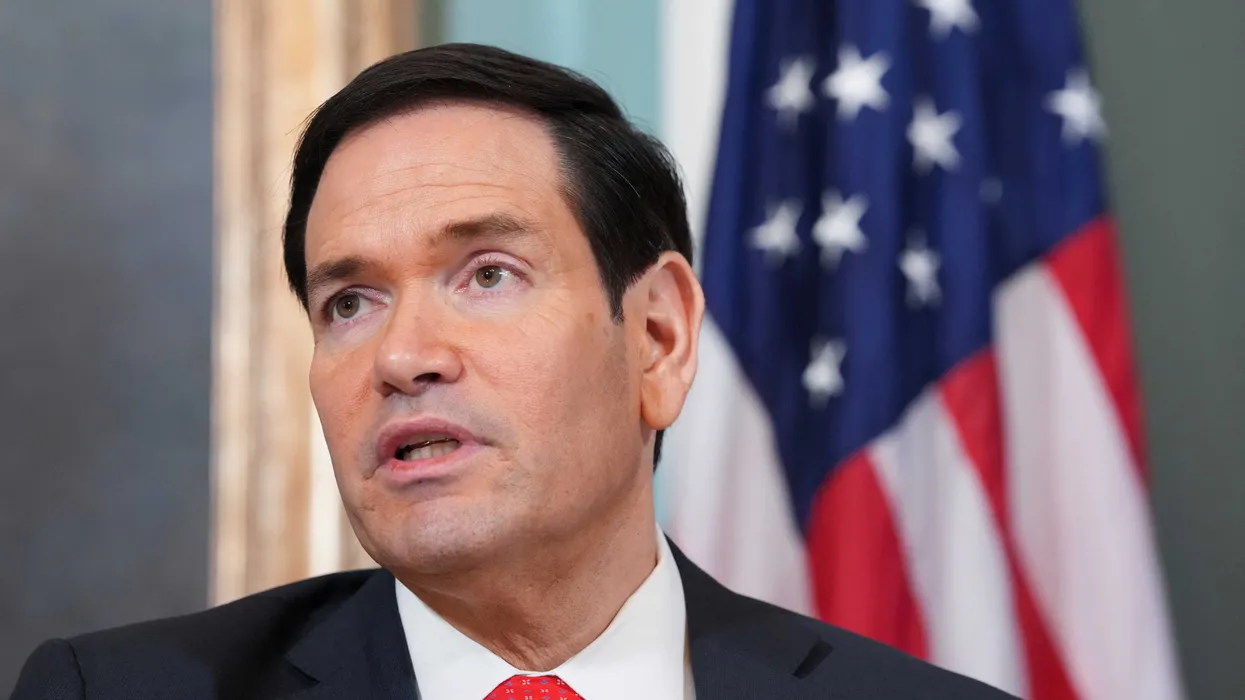
Secretary of State Marco Rubio's State Department awarded a $50,000 contract to digital forensics firm Oxygen Forensics months after allegations about the company's Russian ownership and links to Kremlin agencies had circulated within federal government, according to a report from PunchUp.
PunchUp reported that the State Department issued the contract on August 28 through the U.S. Embassy in Zagreb, Croatia. Procurement records show that the purchase order, valued at $49,999.76, was for "ICITAP - OXYGEN SOFTWARE," which supports a Justice Department initiative that works with foreign law enforcement agencies. The award carries a possible end date of September 1, 2027.
The deal came together several months after Max Weissberg, a former Oxygen employee, publicly claimed that the Virginia-based company was secretly controlled by Russian interests and that its software had been developed in Russia. According to PunchUp, Oxygen acknowledged in a lawsuit filed in August that government customers had asked the company about Weissberg's allegations as early as February 23, and that a document concerning the claims had been circulated within the Department of Homeland Security and other federal agencies.
Oxygen filed its lawsuit against Weissberg on August 28 — the same day the State Department contract was awarded. The company rejected his claims, accused him of defamation, and demanded damages in excess of $1.85 million.
On September 23, the Justice Department announced that Oxygen CEO Lee Reiber and Russian national Oleg Sergeyevich Davydov had been arrested and accused of conspiring to commit wire fraud. Prosecutors allege that Reiber concealed from American agencies the fact that Oxygen had been owned and controlled by five Russian nationals through a holding company based in Cyprus, and that the company's software had been developed in Russia. The arrests put a spotlight on ownership vetting in the digital forensics market, where tools built to extract data from phones and computers are bought by law-enforcement and security agencies, and where who controls a vendor matters directly to the agencies that depend on the software.
Federal prosecutors state that those same five Russians also owned a Russian company that supplied versions of the software to customers including the Federal Security Service, the Investigative Committee of Russia, and the Ministry of Internal Affairs. According to the allegations, Oxygen's Russian owners continued making major decisions for the company even after their names were removed from public corporate records as a result of the expanded U.S. sanctions against Russia in 2022.
The Justice Department stated that its complaint does not claim that Oxygen's software contained malicious code or was used to gain unauthorized access to customers' systems or data, and noted that Reiber and Davydov are considered innocent until proven guilty.
PunchUp also reported that in May 2025 the State Department awarded Oxygen a separate contract that could be worth about $180,664.
When asked whether officials knew about the ownership allegations when the August agreement was approved, the State Department told PunchUp that it was "aware" of the claims and said it "takes seriously the security of its systems and the integrity of its procurement processes."
As of PunchUp's report, the criminal case against Reiber and Davydov and Oxygen's defamation suit against Weissberg were both unresolved, while the Zagreb purchase order carries a possible end date of September 1, 2027. Court filings in either proceeding, and any further procurement action on the two State Department contracts, would be the next public checkpoints in the story.

