State Department Explores Legality of Selling Kehinde Wiley Painting Removed From Dominican Republic Embassy
Key Takeaways
- •The State Department is in discussions with legal representatives to determine whether a government-owned Kehinde Wiley painting can be sold, and it has stated that its goal is to do so.
- •The painting, "Young Artists After Siamese 1960," was removed earlier this month from the U.S. Embassy in the Dominican Republic, with Ambassador Leah Campos citing a desire to move away from "woke" ideologies.
- •Kehinde Wiley is best known for painting former President Barack Obama's official portrait, completed in 2018, which hangs in the National Portrait Gallery.
- •The Art in Embassies program mixes purchased, donated, and loaned works, making each piece's ownership status a central question when a sale is contemplated.
- •The legal review could determine whether other works in embassy collections face similar scrutiny, amid a broader administration effort targeting "woke" content at institutions such as the Kennedy Center and the Smithsonian.
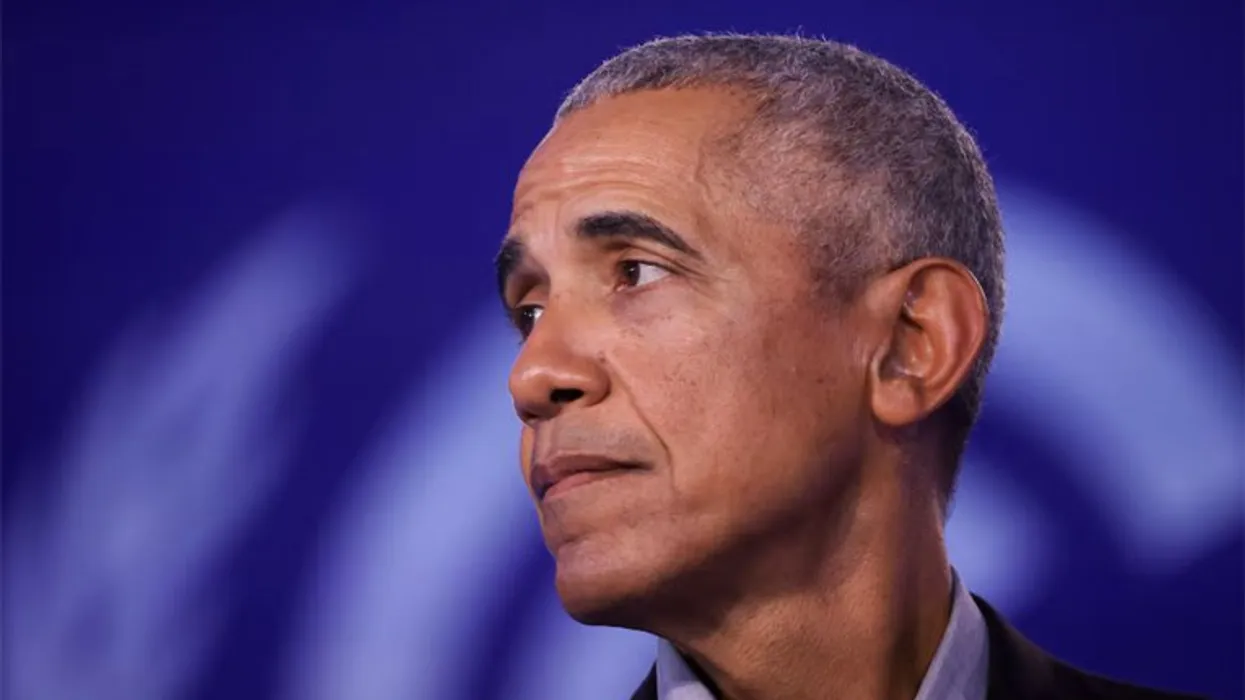
The State Department under Secretary of State Marco Rubio is seeking legal guidance as it explores whether it can sell a government-owned painting by celebrated American artist Kehinde Wiley, who is best known for painting the official portrait of former President Barack Obama.
According to a Washington Post report, department officials are weighing options to sell a work that Trump administration officials have labeled "woke" and that was removed earlier this month from the U.S. Embassy in the Dominican Republic.
The painting, titled "Young Artists After Siamese 1960," depicts four models positioned in front of a floral backdrop and formed part of the embassy's art collection.
Wiley rose to prominence in 2018 as the artist behind Obama's official portrait, which hangs in the National Portrait Gallery. A Los Angeles native born in 1977, Wiley built his career on large-scale portraits that place Black subjects in the poses and settings of historical Western portraiture. The State Department's Art in Embassies program, which curates American art for U.S. diplomatic missions, describes him on its website as a painter of "visually sumptuous" art that "reframes a genre historically reserved for elite, White subjects."
The program grew out of a Kennedy-era initiative and builds its exhibitions from works purchased or donated to the government alongside pieces on loan from artists, galleries and collectors, a structure that makes the ownership status of any given work a central question once a sale is on the table. The department has historically treated the collection as a cultural-diplomacy tool for showcasing American art abroad rather than as a saleable asset.
On Tuesday, the State Department announced it is in discussions with "legal representatives to ascertain whether the art can be sold," adding that its stated goal is "to do so," according to the Post.
U.S. Ambassador to the Dominican Republic Leah Campos shared a video of the removal and said she wanted to move away from "woke" ideologies, the report notes.
Erin Scavino, who was appointed executive director of Art in Embassies last year, described the work as "very woke" and "aesthetically terrifying" in an interview, while acknowledging that her team had worked to get the painting taken down.
The contemplated sale is the latest flashpoint in a broader administration effort to remove content it considers "woke" from federally supported cultural institutions, an effort that has included leadership changes at the Kennedy Center, exhibit and leadership changes at the Smithsonian, and budget proposals to eliminate federal funding for arts and humanities agencies.
The outcome of the legal review will help determine not only whether the Wiley painting can be sold and how any proceeds would be handled, but also whether other works in embassy collections could come under similar scrutiny.

