Starlink Posts $5.2 Billion in Q3 2026 Revenue as Subscriber Base Reaches 13.6 Million
Key Takeaways
- •Starlink generated $5.2 billion in revenue in the third quarter of 2026, a 69% year-over-year increase that made the connectivity unit 36% of SpaceX's total quarterly revenue.
- •Profitability grew faster than revenue, with Starlink's income up 99% year over year to $2.37 billion and Adjusted EBITDA up 82% to $3.5 billion.
- •Starlink's consumer subscriber base reached 13.6 million as of September 30, 2026, up from approximately 12 million in June, while monthly ARPU rose 5% from the prior quarter to $69.
- •SpaceX agreed to acquire FCC licenses for 800 MHz spectrum, providing the technical foundation for Starlink Mobile to operate as a standalone U.S. mobile carrier, with the transaction expected to close in the first half of 2027.
- •Starlink has launched in 30 African markets, including Equatorial Guinea, the Central African Republic, and Senegal in 2026, and is partnering with telecom operators on satellite-to-mobile services beginning in the Democratic Republic of Congo and Uganda.
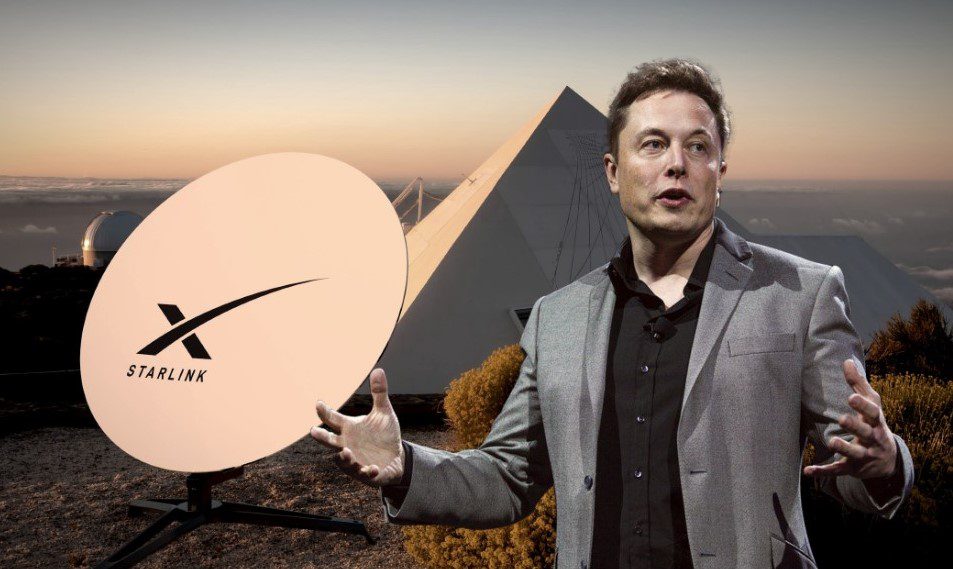
Starlink, the satellite internet unit of SpaceX, generated $5.2 billion in revenue in the third quarter of 2026, the period ending September 30. The figure represents a 69% year-over-year surge, driven largely by growth in consumer revenues, according to SpaceX's third-quarter 2026 results report.
The connectivity division accounted for 36% of SpaceX's total revenue in the quarter, underscoring its expanding contribution to the financial performance of the Elon Musk-owned company. SpaceX's Space and Super Intelligence (SI) divisions recorded $1.8 billion and $7.6 billion, respectively.
Profitability metrics also strengthened. Starlink's income rose 99% year over year to $2.37 billion, while Adjusted Earnings Before Interest, Taxes, Depreciation, and Amortisation (EBITDA) climbed 82% year over year to $3.5 billion. Both bottom-line measures outpaced the segment's 69% revenue growth for the same period.
Subscriber Base Grows, ARPU Rises
As of September 30, 2026, Starlink had 13.6 million consumer subscribers, up from approximately 12 million in June. SpaceX additionally reported hundreds of thousands of enterprise subscribers. Monthly average revenue per user (ARPU) increased 5% from the previous quarter to $69, leaving Starlink growing on both fronts: more subscribers and more revenue from each of them.
Costs and capital spending moved higher alongside revenue. "Total costs and expenses for the Connectivity segment were up $974 million year-over-year, driven primarily by our growing satellite constellation, Starlink Kit deliveries, and marketing initiatives to support revenue growth," SpaceX said. Capital expenditures stood at $1.5 billion in the third quarter, a measure of the ongoing investment that sits behind the subscriber and revenue gains reported in the same period.
FCC Spectrum Deal Advances Mobile Ambitions
During the quarter, SpaceX said it agreed to acquire Federal Communications Commission (FCC) licenses related to 800 MHz spectrum to advance its mobile strategy. The regulatory approval gives Starlink Mobile the technical foundation to operate as a traditional, standalone U.S. mobile carrier. Acquiring the low-band terrestrial spectrum also addresses the satellite operator's difficulty in reaching users who are inside buildings or surrounded by thick obstacles. SpaceX said the transaction is expected to close in the first half of 2027, subject to regulatory and other customary closing conditions, making the review process one to follow as Starlink's terrestrial mobile ambitions move from agreement toward operation.
African Expansion Continues
Starlink ahead with its expansion across Africa, having launched in 30 markets to date. Its most recent rollout came in August, when it introduced its low-Earth-orbit (LEO) high-speed offerings in Equatorial Guinea, following a recent launch in Côte d'Ivoire. Also in 2026, the company launched in the Central African Republic (CAR) and Senegal, and secured regulatory approval to operate in Uganda after previous restrictions.
The satellite operator's entry point is bridging connectivity gaps and providing internet access where terrestrial towers fail. Through its high-speed service, the company seeks to leverage its infrastructure to deliver a 5G network, which is not yet available in most African countries, while its LEO services allow it to penetrate rural areas beyond the reach of ground-based towers.
In a further push to close the digital divide and connect underserved and rural communities across Africa, Starlink is partnering with telecom operators to deploy satellite-to-mobile services. That initiative marked its first entry in the Democratic Republic of Congo, with Uganda serving as its second market — an operator-partnership model that complements the direct-to-consumer sales behind Starlink's consumer and enterprise subscriber base.

