Botswana Targets Early 2027 Launch of Starlink's Satellite-to-Mobile Service to Bolster Tourism
Key Takeaways
- •Starlink Mobile is slated to launch in Botswana by early 2027 through an expected partnership with state-owned BTC, which would make it the first nationwide satellite-to-phone rollout in Africa.
- •Botswana would follow Airtel, which launched Africa's first commercial satellite-to-mobile service in the Democratic Republic of the Congo in August, as the second country to offer Starlink's direct-to-phone service.
- •Starlink recorded $5.2 billion in revenue and a subscriber base of 13.6 million in the third quarter of 2026, illustrating the scale of the network users would connect to.
- •Whether the direct-to-phone arrangement requires separate approval from regulator BOCRA remains unclear, and pricing, the list of compatible phones, and emergency-call support are still unannounced.
- •The service is aimed at boosting tourism, mining, agriculture, and wildlife conservation in remote areas such as the Central Kalahari, with 4G-enabled and newer phones connecting automatically without additional hardware.
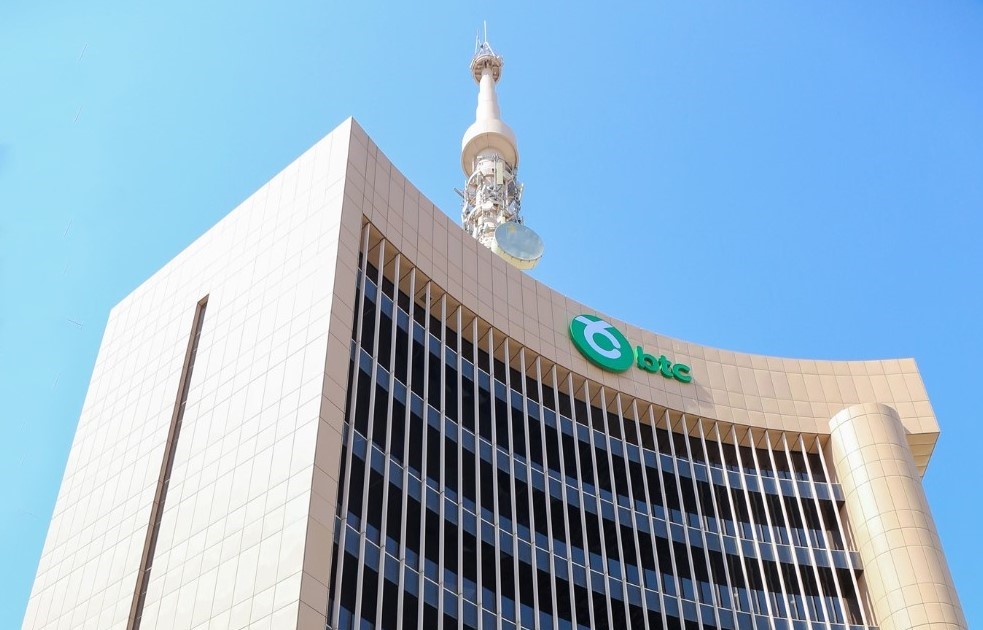
Starlink is preparing to roll out its satellite-to-phone service, branded Starlink Mobile, in Botswana by early 2027, in what would mark a significant step toward connecting the company's low-orbit satellites to smartphones automatically.
The satellite-to-phone model addresses a core industry challenge: extending wide-area connectivity to handsets, particularly when traditional towers fail or in regions that fall outside terrestrial coverage. It also strengthens network resilience in places where mobile and fibre infrastructure face practical limitations.
For the deployment, Starlink is expected to partner with the state-owned Botswana Telecommunications Corporation (BTC). It remains unclear whether the arrangement requires separate approval from the Botswana Communications Regulatory Authority (BOCRA).
The Botswana plan comes as Starlink recorded $5.2 billion in revenue in the third quarter of 2026, with its subscriber base reaching 13.6 million — figures that illustrate the scale of the satellite network direct-to-phone users would connect to.
In August, Airtel launched Africa's first commercial satellite-to-mobile service in the Democratic Republic of the Congo (DRC) after groundwork preparations and a series of pilot tests. Botswana is now aiming to become the second country to launch Starlink's satellite-to-mobile service, and the first to do so nationwide.
As demonstrated in the DRC, compatible phones will connect automatically to Starlink's low-orbit satellites once users move out of range of BTC's land-based towers. BTC Chief Executive Jurgen Peschel noted that 4G-enabled phones and newer models will connect directly without needing extra hardware. Smartphones will also be able to use the satellites for SMS, map usage and light-data applications such as WhatsApp and Facebook, without depending on towers or additional dishes.
Several details remain unannounced ahead of the early 2027 launch, including pricing, the list of compatible phones, and whether emergency calls will be supported. The emergency-call question carries particular relevance for travelers moving through remote parks and reserves that sit beyond the reach of tower coverage.
According to BTC, the service is primarily aimed at elevating Botswana's tourism ecosystem and supporting mining, agriculture, wildlife conservation and other sectors in thinly populated areas such as the Central Kalahari, the northern conservation corridors and other remote regions where building a telecom tower is not economically viable.
Botswana, home to roughly 2.6 million people, is one of the least densely populated countries in the world. Its vast parks and safari concessions in the north are central to tourism earnings, making the country one of Africa's top safari destinations. Approximately 37%–38% of its land is protected as national parks, reserves and wildlife management areas. Key attractions include the Okavango Delta, a UNESCO World Heritage inland delta reached by 4×4 vehicle, boat or traditional mokoro canoe, and Chobe National Park, known for its large elephant herds and riverfront cruises. Other highlights are the Moremi Game Reserve, the Central Kalahari Game Reserve, the Makgadikgadi Salt Pans and the Tsodilo Hills, famed for their ancient rock art. By enabling satellite-to-mobile services to boost network speed, Botswana aims to attract more tourists to these destinations.
Starlink already has a physical presence in Botswana. BTC resells the company's dish-based satellite broadband through its own packages. In May 2024, the communications regulator (BOCRA) licensed Starlink for operation, and its home broadband service went live in August of that year. That authorization applies to the dish-based offering; the direct-to-phone arrangement is the piece whose regulatory status has yet to be clarified ahead of the targeted launch.
The moves reflect a broader shift across Africa, where telecom operators are embracing direct-to-cell technology to close the connectivity gap by allowing devices to connect to satellite networks beyond the reach of traditional towers. According to a GSMA report, cited in its intelligence satellite tracker for the third quarter of 2026, Sub-Saharan Africa has the lowest share of mobile operators with satellite partnerships, at 13%, against a global average of 19%. BTC's expected partnership with Starlink would place the state-owned carrier within that minority share. With internet penetration and data demand growing faster than operators' infrastructure investment, more Starlink Mobile rollouts are expected in 2027.
Airtel Africa, MTN, Vodacom and other major African telecoms are already launching the service in select regions while they await regulatory approval elsewhere. In early March, AXIAN Telecom partnered with AST SpaceMobile to launch satellite-to-phone broadband, enabling 4G/5G voice and data directly to standard mobile phones.

