Starlink and Airtel launch Africa’s second satellite-to-mobile service in Uganda
Key Takeaways
- •Starlink and Airtel Uganda have commercially launched Starlink Mobile, the company's second satellite-to-mobile deployment in Africa following the Democratic Republic of Congo.
- •Compatible smartphones can connect directly to Starlink satellites for SMS and light-data applications such as WhatsApp and Facebook, without relying on mobile towers or requiring additional satellite hardware.
- •Customers opt in through the MyAirtel App and receive a free 30-day introductory trial, after which the service is available through eligible Airtel Uganda data bundles.
- •The launch follows Starlink's regulatory approval in Uganda in May, while Airtel is preparing a similar launch in Kenya after completing a pilot of mobile data and messaging services in early 2026.
- •Memory chip shortages are pushing entry-level smartphone prices above the $30 target, creating an affordability challenge for satellite-to-mobile services that depend on compatible devices.
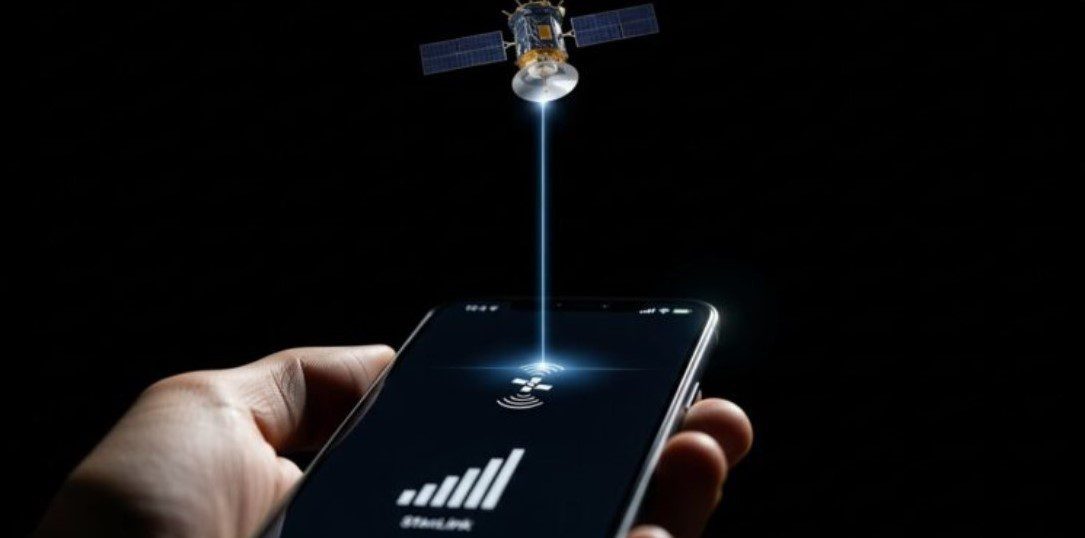
Starlink, in partnership with Airtel Africa, has commercially launched a satellite-to-mobile service in Uganda, making it the second African country to receive Starlink Mobile.
In an X post on Thursday, the SpaceX-owned satellite internet company confirmed that its service is now available in the East African country.
“Starlink Mobile is now available in Uganda with Airtel Uganda, connecting millions of people in rural and remote communities with apps and messaging where cell signal isn’t available,” the post said.
The launch follows Starlink’s earlier entry into the Democratic Republic of Congo, the company’s first satellite-to-mobile deployment in Africa. The two launches, carried out in partnership with Airtel Africa, come as telecom operators across the continent continue efforts to extend connectivity to underserved and rural communities.
African operators face high infrastructure costs, right-of-way challenges and concerns about vandalism when deploying terrestrial networks in remote. Starlink’s service is designed to allow compatible smartphones to connect directly to its satellite network where terrestrial mobile infrastructure is unavailable, positioning satellite links as a complement to towers in areas where conventional build-out has struggled rather than a replacement for them.
Airtel is not the only African operator pursuing satellite-to-mobile connectivity. In March, MTN Zambia completed a Direct-to-Cell (D2C) test, becoming the first African operator to complete field testing of Starlink’s satellite-to-mobile service. Around the same period, AXIAN Telecom partnered with AST SpaceMobile to launch direct-to-device, space-based broadband capable of delivering 4G/5G voice and data to standard mobile phones. Whether those trials and partnerships progress to commercial launches like Uganda’s is one thread to follow as satellite-to-mobile moves from testing to live service across the continent.
Airtel is also nearing a launch in Kenya after completing preparatory work and conducting a pilot of Starlink’s mobile data and messaging services there in early 2026.
For Ugandans, particularly those in rural and underserved areas, the service introduces a way to access mobile connectivity beyond the reach of conventional towers. The availability of mobile access in remote communities could support services such as healthcare, education and digital platforms, extending everyday communication to places a cell signal has yet to reach.
Supported smartphones will be able to connect to Starlink satellites for SMS and light-data applications, including WhatsApp and Facebook, without relying on mobile towers or requiring additional satellite dishes. Customers with compatible devices are expected to opt into the service through the MyAirtel App and receive a free introductory trial lasting 30 days. After the trial, Starlink Mobile will be available through eligible Airtel Uganda data bundles.
Soumendra Sahu, Managing Director and CEO of Airtel Uganda, said the partnership was changing how connectivity is delivered across the country.
“Starlink’s advanced satellite technology complements our ongoing investments in terrestrial infrastructure and enables customers to stay connected even when they venture beyond conventional mobile coverage,” he said.
The launch comes weeks after Starlink officially returned to Uganda following regulatory approval in May. The licence allows the company to operate in Uganda and sell its hardware there.
The expansion of satellite-to-mobile services comes as smartphone adoption increases across Africa amid the artificial intelligence boom. At the same time, shortages and rising prices for memory chips are pushing manufacturers to raise the cost of entry-level smartphones above the $30 target. Recent industry discussions have indicated that the cost of a memory chip is approaching the price of an entry-level device. That affordability squeeze carries weight for satellite-to-mobile offerings like Starlink Mobile, which rely on compatible smartphones rather than dedicated satellite hardware to function.
The development raises a broader access challenge for African countries: after addressing the coverage gap, they may also have to confront an internet usage gap in which people who have connectivity do not use it.
Source: TechNext24

