Stand With Crypto Backs 32 House Candidates for 2026 Midterms
Key Takeaways
- •Stand With Crypto is endorsing 32 candidates for the US House, including Republicans and Democrats who previously voted for the Clarity Act.
- •The Clarity Act would create the first comprehensive federal framework for US crypto markets and passed the House 294 to 134 in July 2025.
- •The bill has been stalled in the Senate since July 2025, and a September 15 cloture vote needs 60 votes to move it forward.
- •Talks are centered on an ethics clause related to President Trump’s crypto income, with Democrats seeking stronger enforcement provisions.
- •Stand With Crypto is not making Senate recommendations yet, saying those will come later in the election cycle.
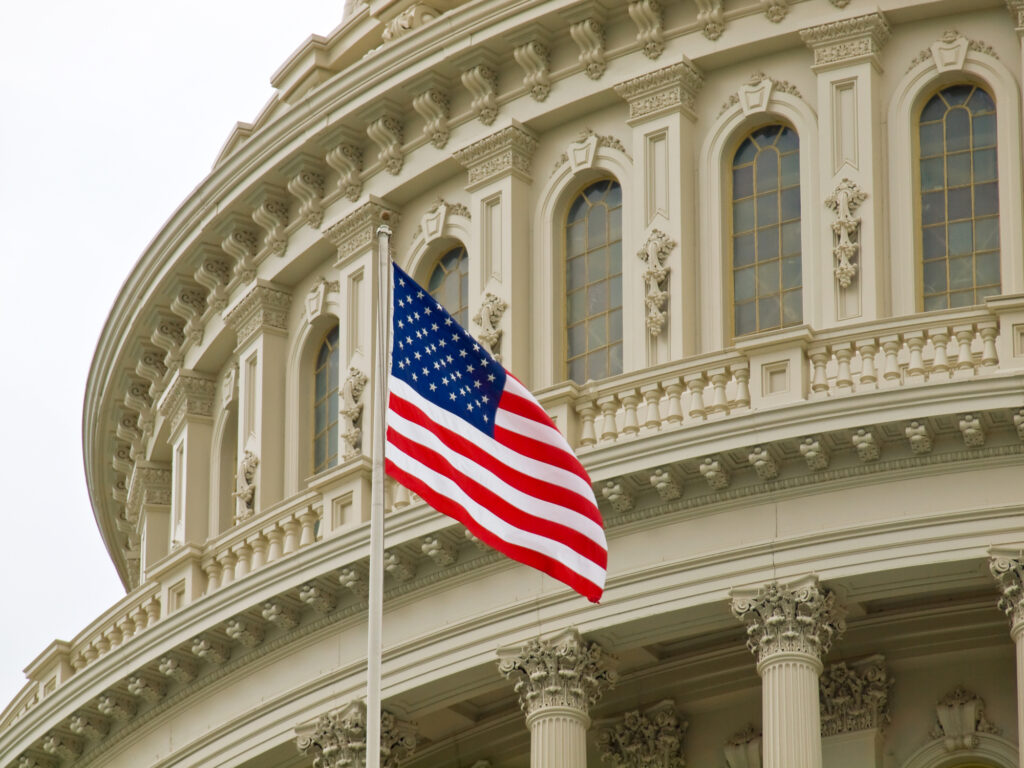
The advocacy group Stand With Crypto is endorsing 32 candidates for the US House of Representatives in the 2026 midterm elections. Every endorsed incumbent previously voted for the Clarity Act, legislation that has been stalled in the Senate since July 2025.
What Stand With Crypto does
Stand With Crypto is a political advocacy organization that campaigns for crypto-friendly legislation in the United States. It rates lawmakers on their positions on digital assets, issues election recommendations, and mobilizes its registered supporters ahead of elections. Unlike the industry's super PACs, large direct spending on campaign advertising is not its focus. Coinbase originally launched the organization in 2023 and continues to fund it today. The group now counts more than 3 million registered "advocates" across the US.
Its current endorsement list includes Republicans Warren Davidson, Tom Emmer, Bill Huizenga, Juan Ciscomani and Brian Fitzpatrick, as well as Democrats Ritchie Torres and Josh Gottheimer.
Who Stand With Crypto backs for Congress
All 32 endorsed incumbents share the same voting record: each backed the Digital Asset Market Clarity Act in the House. The bill would create the first comprehensive federal regulation for US crypto markets. The chamber passed the draft in July 2025 by a vote of 294 to 134, including 78 Democrats (official roll call). Since then, the measure has waited in the Senate, where opening debate requires 60 votes rather than a simple majority.
For the industry, the bill remains the central priority of the current legislative term. Stand With Crypto deliberately rewards incumbents with a documented voting record — the vote counts, not party affiliation.
In March 2026, the group endorsed six lawmakers for the first time: Zach Nunn (R-Iowa), Susie Lee (D-Nevada), Mike Lawler (R-New York), Don Davis (D-North Carolina), Greg Landsman (D-Ohio) and Rob Bresnahan (R-Pennsylvania). At the same time, it launched its Voter Hub, which publicly rates officeholders on their crypto positions.
Executive Director Mason Lynaugh frames the midterms as a turning point for crypto policy in Washington. Candidates from both parties, he said, are trying to reach voters outside their traditional base, and anyone who overlooks crypto voters does so at their own peril. For the organization itself, the midterms are a test of its mobilizing power.
Ethics fight over Trump's crypto dealings blocks the Senate
In the Senate, September 15 will decide whether the Clarity Act reaches debate at all. A procedural cloture vote sits on the agenda and requires 60 votes, a majority that is not currently in sight. The obstacle is the dispute over President Trump's personal crypto income. Both camps have been negotiating an ethics clause for weeks, so far without result.
The president initially agreed to a first version of that clause in July 2026. It bars officeholders and their spouses from issuing or promoting digital assets, targeting officeholders in general rather than the president alone. Democrats, however, criticize that enforcement rests solely with the Justice Department. Democrat Ruben Gallego and Republican Thom Tillis additionally want to extend enforcement to state attorneys general. The White House has not yet agreed to the bipartisan proposal, leaving the central point of contention open ahead of the vote.
Without Democratic votes, the bill will not clear the 60-vote hurdle. On the Democratic side, Kirsten Gillibrand is negotiating the bill, and her vote counts among those needed. She considers the existing clause unenforceable, and polling data backs her up: in a Reuters/Ipsos survey in mid-August, 63% of the 1,166 US adults surveyed considered Trump's crypto profits inappropriate.
"We can pass smart, clear rules for digital assets and at the same time prevent the president from enriching himself. It takes an enforceable ban, and any market structure bill that leaves enforcement solely to the president's Justice Department and allows him to profit from crypto is not reform. It is a free pass." — Kirsten Gillibrand, US Senator (D-New York)
How crypto PACs once decided a Senate race
Through direct spending, the industry already shaped a Senate race in 2024. Super PACs in the US may campaign for or against candidates without limit, though they may not coordinate with those campaigns. The crypto committee Fairshake originally announced USD 12 million in support of Republican Bernie Moreno in Ohio; ultimately, around USD 40 million flowed into the race through Fairshake and allied committees. Moreno defeated crypto-skeptic incumbent Sherrod Brown, then chair of the Senate Banking Committee — a race now cited as evidence of the sector's clout.
Ohio is again at the center in 2026. Brown wants to return to the Senate and faces Republican Jon Husted in November. This time, however, the headwind comes from a different direction: in April, the Sentinel Action Fund and the affiliated organization Right Vote pledged USD 8 million in support of Husted. Comparatively early in the election cycle, a sum in the millions is already on the table in a single race.
In total, the crypto industry has already channeled around USD 200 million into the midterms, and Fairshake alone held around USD 141 million in funds in July. Against those sums, 32 endorsements look comparatively modest. They target a different resource than airtime, namely organized voters in individual districts, and both instruments operate within the same election cycle.
Why Stand With Crypto leaves the Senate aside for now
For the Senate, the group is issuing no recommendations at this stage; those follow later, closer to election day in November. Yet Senate races will decide the very chamber where the Clarity Act is stuck. The six lawmakers endorsed in March are also running for the House, not the Senate, and senators have not voted on the Clarity Act so far. In the House, by contrast, a clear vote exists.
The draft has now sat in the Senate for more than a year. Points of contention there include yields on stablecoins and concerns about the financing of illegal activity. Since the summer, the ethics conflict has dominated the negotiations, and it remains open whether the White House will agree to the Gallego and Tillis proposal.
September 15 thus becomes a test for both sides. If the cloture vote fails, the draft will not reach the floor. Ultimately, though, voters in November decide the next Congress.

