Stanbic IBTC Nine-Month Profit Rises 33% to ₦370.4 Billion Despite Drop in Electronic Banking Fees
Key Takeaways
- •Stanbic IBTC Holdings' profit rose 33% to ₦370.4 billion in the nine months ended September 30, 2026, up from ₦278.5 billion in the same period of 2025.
- •Non-interest revenue more than doubled to ₦438.0 billion from ₦208.7 billion, representing more than half of the group's ₦817.8 billion total income.
- •Electronic banking fees fell roughly 12.5% to ₦3.01 billion even as overall profit climbed, showing this fee category was not the main driver of earnings growth.
- •Net interest income declined about 14.9% to ₦379.8 billion, while account transaction fees rose 3% to ₦8.19 billion and card commissions grew 13.7% to ₦7.15 billion.
- •Every segment except Business and Commercial Banking, which fell to ₦7.6 billion, delivered higher profit, led by Personal and Private Banking at ₦275.1 billion.
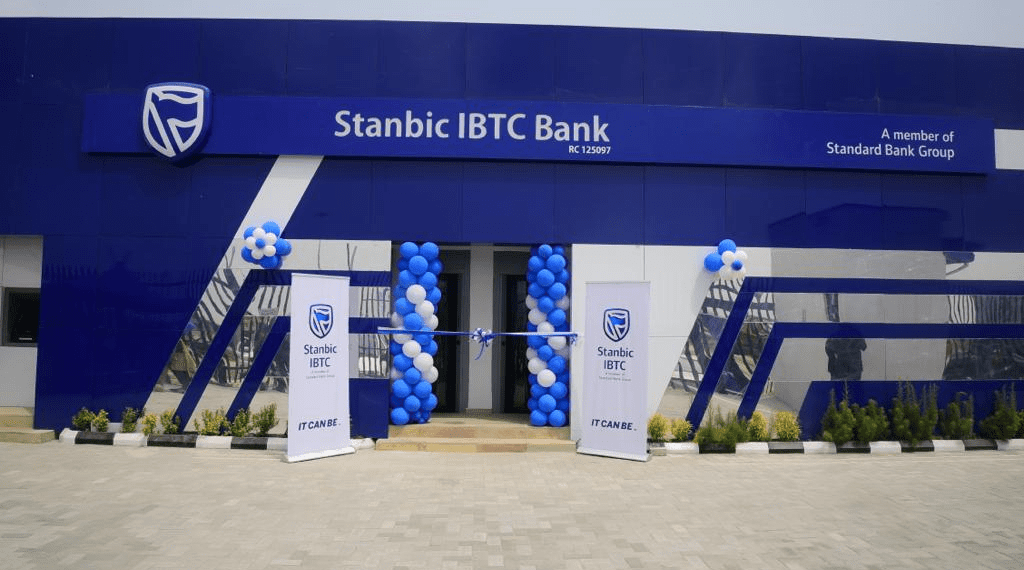
Stanbic IBTC Holdings Plc, the Nigerian financial services group, posted a profit of ₦370.4 billion in the nine months ended September 30, 2026, up from ₦278.5 billion in the same period of 2025 — a 33% increase that came even as income from electronic banking fees declined.
The unaudited results show the group earned nearly ₦91.9 billion more than it did a year earlier, and the growth did not come from a single source. While electronic banking fees fell, income from account transactions and card-related commissions increased. That indicates electronic banking fees were not the main driver of Stanbic IBTC's stronger performance, with other revenue lines — particularly non-interest revenue, money earned outside traditional lending — also playing an important role.
Profit before tax rose by about 35%, from ₦393.8 billion to ₦531.9 billion. Total income increased by nearly 25%, reaching ₦817.8 billion from ₦655.2 billion a year earlier.
Non-Interest Revenue More Than Doubles
One of the biggest changes in the results was the rise in non-interest revenue, which more than doubled to ₦438.0 billion from ₦208.7 billion in the corresponding period of 2025. Non-interest revenue covers income that does not come directly from the difference between interest earned on loans and investments and interest paid on deposits and other funding. It can include fees and commissions, trading income and other gains. At ₦438.0 billion, this revenue line accounted for more than half of the group's ₦817.8 billion total income for the, underlining how much weight it carried in the improved result.
Net interest income moved in the opposite direction, falling to ₦379.8 billion from ₦446.5 billion — a decline of about 14.9%. The group's higher total income therefore came despite lower net interest income, as the increase in non-interest revenue more than offset the drop and helped lift overall earnings.
The figures do not mean that transaction fees alone drove the increase. Non-interest revenue includes several categories, and the financial statements show that the group's earnings depend on a wider mix of banking, investment and financial services.
Electronic Banking Fees Fall 12.5%
Stanbic IBTC generated ₦3.01 billion from electronic banking fees in the first nine months of 2026, down from ₦3.44 billion in the same period last year — a fall of roughly 12.5%. Electronic banking fees are income associated with the group's electronic banking services, but the report on the category does not provide a breakdown of the individual channels or services responsible for the decline. At ₦3.01 billion, the category made up only a small fraction of the group's ₦817.8 billion total income, which helps explain how overall earnings could climb sharply while this fee line moved the other way.
The drop is notable because the group's overall profit rose by 33% over the same period, showing that the growth in earnings did not translate into higher income from this particular fee category.
The decline also does not establish that customers used digital banking less frequently. Fee income can change for several reasons, including pricing, the mix of services used and the fees charged on different transactions. The published figures do not identify which factor explains the fall.
Other Transaction-Related Income Climbs
Account transaction fees rose slightly to ₦8.19 billion from ₦7.95 billion, a 3% increase. These fees come from transactions carried out on Stanbic IBTC's customer accounts. Card commissions grew by 13.7% to ₦7.15 billion from ₦6.29 billion, with the increase coming from card-related services and transactions.
The results show that transaction-related income did not move in one direction: electronic banking fees fell, while account transaction fees and card commissions rose. The disclosures do not, however, show whether the growth came from higher transaction volumes, pricing changes or shifts in customer behaviour.
Strong Results Across Most Segments
Stanbic IBTC's business segments also performed strongly. Personal and Private Banking profit rose to ₦275.1 billion from ₦208.2 billion. Insurance and Asset Management increased to ₦66.2 billion from ₦45.7 billion, while Corporate and Investment Banking grew to ₦21.5 billion from ₦15.8 billion.
Business and Commercial Banking was the only weaker segment, with profit falling to ₦7.6 billion from ₦8.8 billion.
Taken together, the figures show that Stanbic IBTC's profit growth came from several parts of the business rather than electronic banking fees alone. Stronger overall earnings can exist alongside weaker income from one digital banking category, with non-interest revenue and other business lines helping to drive performance.

