Supreme Court Ruling Gutting Voting Rights Act Backfires as Black Voter Turnout Surges, Abrams Warns Larger Battle Ahead
Key Takeaways
- •The Supreme Court's 6-3 conservative majority issued a ruling that effectively gutted the Voting Rights Act, allowing GOP-led states to draw racially discriminatory district maps.
- •Black voters, especially across the South, have turned out in record-breaking numbers during early voting ahead of the midterms.
- •Stacey Abrams argued in an MS NOW op-ed that high turnout does not eliminate discrimination caused by district maps that divide and weaken minority communities' influence.
- •Abrams called for sustaining voter defense organizations and enacting enforceable protections against racial discrimination in voting that assess actual effect rather than explicit intent.
- •Abrams warned that voter suppression campaigns could reach Democratic-led and non-Southern states and that Latino, AAPI, and Native American voters are also being targeted.
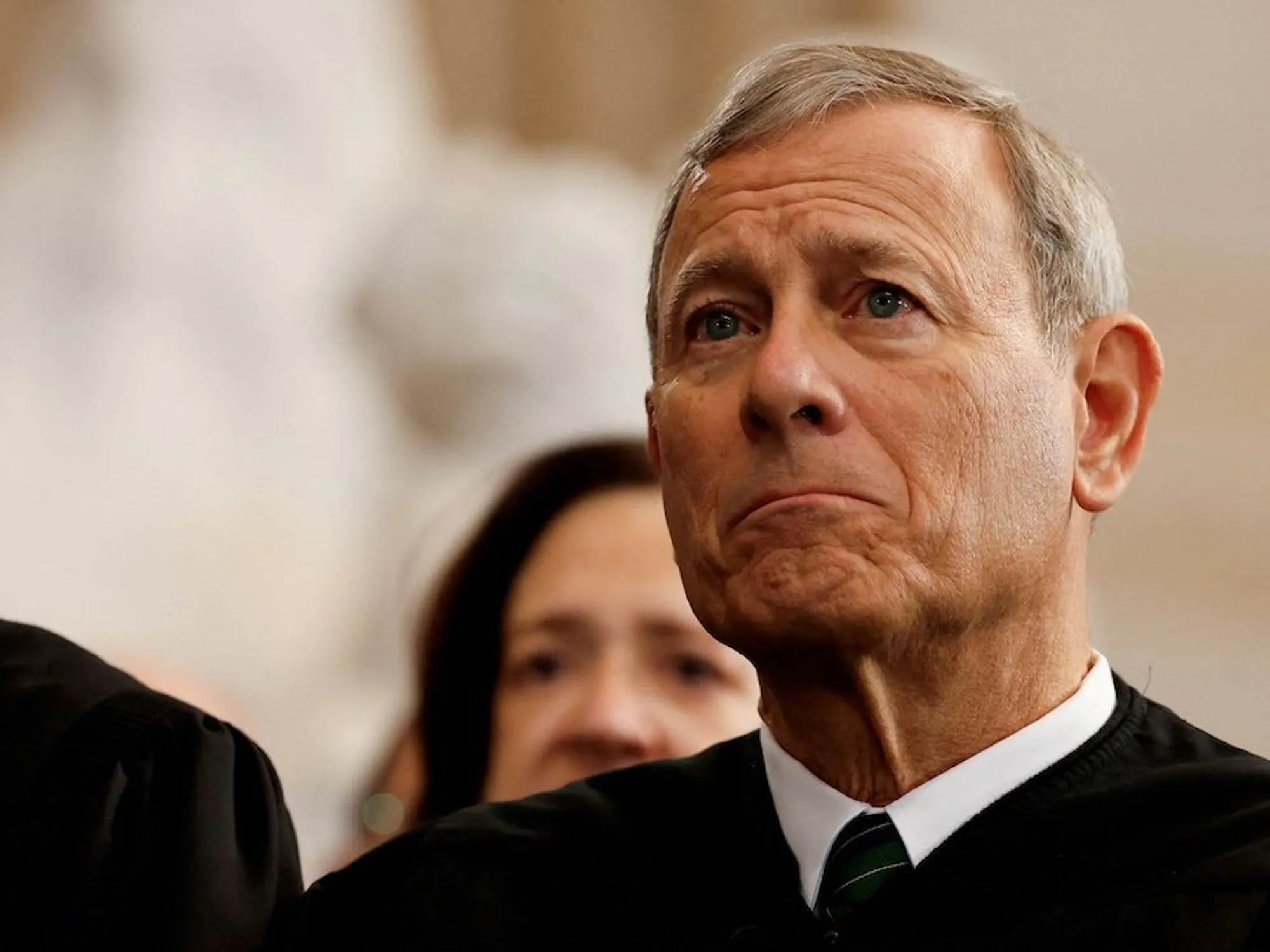
President Donald Trump's Supreme Court, in its effort to cement conservative political power, appears to have exposed the President to major electoral peril. But according to prominent Democratic activist Stacey Abrams, writing for MS NOW, the backlash must become the starting point of a much larger battle.
Earlier this year, the Supreme Court — with its 6-3 conservative majority and three justices appointed by Trump — issued a ruling that effectively gutted the remaining power of the Voting Rights Act, the landmark 1965 civil rights law that prohibits racial discrimination in voting. The decision opened the door for GOP-led states to draw racially discriminatory district maps in an effort to further entrench Republican power in Congress. Because district lines determine whose votes translate into actual representation, the consequences reach well beyond any single election cycle.
As early voting data has poured in ahead of the midterms, however, the move appears to have backfired in the immediate term. Black voters, particularly across the South, have turned out in massive, record-breaking numbers, apparently motivated to push back against efforts to diminish the power of their votes. The surge carries added weight in a midterm environment, where historically lower turnout makes each ballot cast more consequential.
Writing for MS NOW on Sunday, Abrams — the prominent voting rights activist and one-time Georgia gubernatorial candidate — suggested the trend raises a fundamental question in the continuing fight against voter suppression: "If Black voters show up en masse, do the barriers placed before them matter?"
"Participation does not erase discrimination," Abrams explained. "A voter can cast a ballot and still have her community divided among districts designed to weaken its influence. A neighborhood can turn out in extraordinary numbers and still be denied a fair opportunity to elect someone who will answer to its needs at the local, state and federal levels. They may start with Congress, but the effects reach deep into where we live."
She added later: "After Election Day, we must sustain the organizations that defend voters between campaigns. We must keep showing up when districts are drawn, and election rules are debated. We must demand that legislators at the state and federal levels enshrine strong, enforceable protections against racial discrimination in voting, ones that look at actual effect rather than explicit intent. We all have a stake in this, and thus the responsibilities belong to all of us. Black communities should not be expected to rescue American democracy while bearing the greatest burden of its failures. The donors, institutions and neighbors who celebrate Black turnout must also invest in the work that makes equal participation possible."
Abrams further warned that under the Trump administration's "authoritarian" project, no state will be safe from voter suppression campaigns — including those with Democratic leadership and located outside the South. She also cautioned that the agenda will not stop at targeting Black voters, noting that "Latino and AAPI and Native American voters are also in their crosshairs." How states use the newly opened latitude to redraw their maps — and whether the record early-voting surge holds through Election Day — will show whether the backlash Abrams describes has staying power.

