Coinbase CEO Brian Armstrong: Stablecoins Optional for Humans but Essential for AI Agents
Key Takeaways
- •Coinbase CEO Brian Armstrong stated that stablecoins are indispensable for autonomous AI agents, even though they remain optional for human users.
- •The total stablecoin market supply exceeded $150 billion as of early 2025, with demand historically driven by human use cases such as remittances, DeFi, and cross-border payments.
- •Coinbase holds a direct commercial stake in stablecoin growth through its revenue-sharing partnership with Circle on USDC and its Base Ethereum Layer 2 network.
- •AI agents could use stablecoins for practical applications including paying for API calls, purchasing computing resources, settling smart contract obligations, and transacting in decentralized marketplaces.
- •Regulators face unresolved questions about overseeing financial transactions initiated by non-human entities as frameworks such as the EU's MiCA regulation and proposed U.S. federal stablecoin rules remain in development.
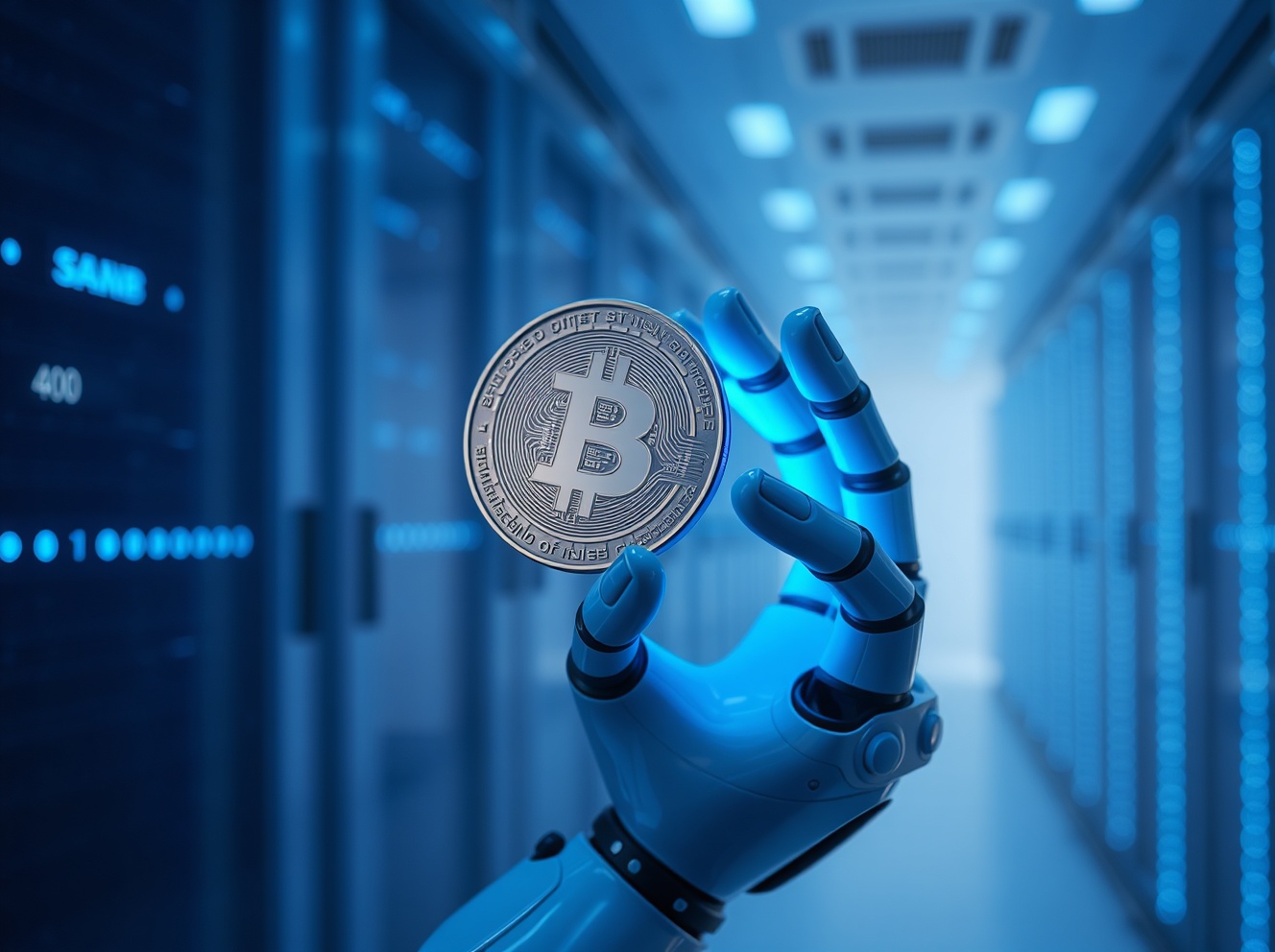
Coinbase CEO Brian Armstrong has identified artificial intelligence agents as a significant and growing source of demand for stablecoins. In a recent post on X, Armstrong stated that while stablecoin payments serve as a useful tool for humans, they are becoming indispensable for autonomous AI agents operating within the digital economy.
Why AI Agents Need Stablecoins
Armstrong's observation reflects an emerging consensus across the cryptocurrency and technology sectors that AI agents—automated programs capable of performing tasks, making decisions, and executing transactions—require a native digital currency to operate efficiently. Unlike humans, who rely on traditional banking systems, credit cards, and fiat currency, AI agents function entirely within digital environments. Stablecoins, which maintain a fixed value relative to a reserve asset such as the U.S. dollar, provide a programmable, low-friction medium of exchange that can be embedded directly into AI workflows.
The Coinbase CEO's remarks came amid broader industry discussions about the convergence of blockchain technology and artificial intelligence. Armstrong has previously advocated for on-chain AI agents capable of transacting, managing assets, and even governing themselves through smart contracts. In this framework, stablecoins serve as the financial infrastructure for a new class of autonomous digital workers.
Market Implications and Industry Context
The stablecoin market has expanded rapidly, with total supply exceeding $150 billion as of early 2025. Human-driven use cases—including remittances, decentralized finance (DeFi), and cross-border payments—have dominated demand to date. However, the rise of AI agents as meaningful consumers of stablecoins could mark a paradigm shift. Armstrong's comments suggest the next wave of stablecoin adoption may be driven not by human users but by automated systems requiring instant, verifiable, and low-cost transactions. Notably, Armstrong's perspective is not purely observational: Coinbase has a direct commercial stake in stablecoin growth through its long-standing revenue-sharing partnership with Circle in USDC, one of the largest stablecoins by market capitalization, and through Base, its own Ethereum Layer 2 network optimized for low-cost on-chain transactions.
This outlook aligns with wider trends across the technology industry. Major cloud providers such as Amazon Web Services and Microsoft Azure have begun exploring blockchain-based payment solutions for machine-to-machine transactions. Projects like Chainlink and Fetch.ai are similarly building infrastructure designed to allow AI agents to interact with blockchain networks autonomously.
What This Means for the Crypto Ecosystem
If Armstrong's assessment proves accurate, demand for stablecoins could scale significantly as AI agents become more prevalent across sectors including supply chain management, financial trading, content moderation, and data processing. For stablecoin issuers such as Circle (USDC) and Tether (USDT), this represents a potentially vast new addressable market. For regulators, it raises unresolved questions about how to oversee financial transactions initiated by non-human entities—an issue that comes as policymakers are still establishing foundational stablecoin rules, including the EU's Markets in Crypto-Assets (MiCA) regulation, which began phasing in stablecoin provisions in 2024, and various proposed U.S. federal frameworks that remain under congressional deliberation.
The concept also highlights a fundamental distinction between human and machine financial behavior. Humans value optionality, convenience, and institutional trust. AI agents, by contrast, prioritize speed, programmability, and deterministic execution. Stablecoins, which can be transferred and verified instantly on a blockchain, are uniquely positioned to meet those requirements.
Practical Applications and Outlook
In practice, AI agents could use stablecoins to pay for API calls, purchase computing resources, settle smart contract obligations, or transact within decentralized marketplaces, enabling them to operate independently without human intervention. While the space remains in its early stages, several projects are already constructing infrastructure for AI-agent payments, and major technology companies are actively exploring blockchain-based machine payments. The stablecoin market is sufficiently large to support initial experimentation, though widespread adoption will likely depend on regulatory clarity and continued technological maturity.
Brian Armstrong's observation that stablecoins are optional for humans but essential for AI agents underscores a transformative shift in how digital payments may evolve. As AI agents assume greater economic activity, the supporting infrastructure will need to adapt accordingly. Stablecoins, once viewed primarily as instruments for human traders and remittance users, may well become the default currency of the machine economy.
This post first appeared on BitcoinWorld.

