Square Makes Bitcoin Payments Free for Eligible U.S. Merchants Through 2026
Key Takeaways
- •Square completed a rollout on Nov. 10 that lets eligible U.S. merchants accept Bitcoin through the Lightning Network at no processing cost until the end of 2026.
- •Merchants receive automatic conversion into U.S. dollars, allowing them to accept Bitcoin without holding the cryptocurrency or setting up separate crypto relationships.
- •Square will begin charging a 1% processing fee on Jan. 1, 2027, giving merchants a free trial period before deciding whether to keep the service.
- •Square's ecosystem of more than 4 million businesses represents potential distribution, but New York businesses are excluded and no merchant adoption or transaction figures have been reported since launch.
- •Crypto card spending grew roughly 15-fold between early 2023 and late 2025 to an annualized rate near $18 billion, though consumer demand for paying merchants directly with Bitcoin remains unproven.
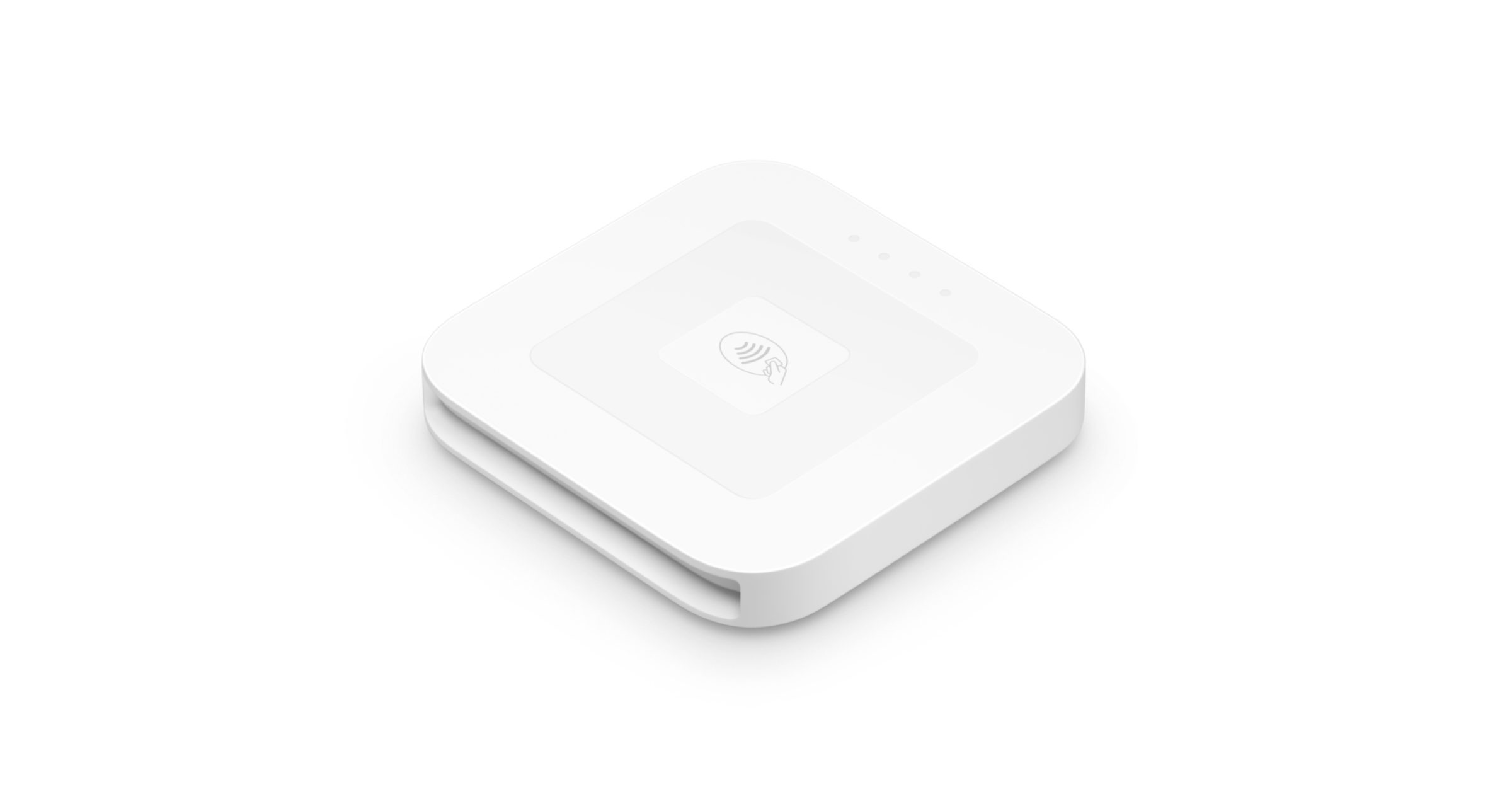
Square has made Bitcoin payments free for eligible U.S. merchants through the end of 2026, embedding the cryptocurrency option within the checkout system businesses already use. The rollout, completed Tuesday (Nov. 10), allows participating sellers to accept Bitcoin through the Lightning Network — a payments protocol built on top of Bitcoin and designed for fast, low-cost transfers — without holding any cryptocurrency themselves. Square will begin charging a 1% processing fee on Jan. 1, 2027, giving merchants a temporary window to try the payment option before deciding whether its convenience justifies the cost.
Bitcoin Acceptance Built Into an Existing Checkout Stack
Rather than asking merchants to adopt a separate cryptocurrency provider, Square is adding Bitcoin acceptance to its existing point-of-sale ecosystem. Businesses can switch the option on through software they already operate, and automatic conversion into dollars means they do not need to hold Bitcoin on hand. The distribution route is the point: Bitcoin enters everyday commerce through point-of-sale software merchants already run, not through a standalone crypto product.
The arrangement targets obstacles that have long complicated merchant acceptance. PYMNTS, which reported the rollout, described unfamiliar wallet infrastructure, price volatility, accounting complications and limited consumer demand as barriers. Square's setup removes the need for merchants to establish separate cryptocurrency relationships, and dollar conversion limits their exposure to Bitcoin price movements. The company also controls parts of the merchant experience beyond checkout, including onboarding, transaction reporting and settlement, giving it a channel to introduce another payment method through an existing business relationship. Square's parent, Block, also operates Cash App, which supports Bitcoin transactions.
Those features establish availability, not usage. The more than 4 million businesses in Square's merchant ecosystem represent potential distribution — not a count of merchants accepting Bitcoin or completed Bitcoin transactions. New York businesses are among those excluded under published eligibility restrictions, making the addressable market narrower than the headline network figure suggests. Program details are available on Square's official website.
Free Processing Puts Consumer Demand to the Test
Whether customers actually choose Bitcoin is a separate question. Everyday checkout spending is a use case distinct from trading or long-term holding, the roles through which most consumers have encountered Bitcoin. Card payments offer rewards, credit access, fraud protections and familiar dispute processes — advantages that can appeal to consumers even when merchants face higher acceptance costs. Consumer education remains a hurdle as well: a June PYMNTS Intelligence report found that 70% of credit union members were uncertain whether their institution supports stablecoin services.
The wider data on crypto-linked consumer spending shows growth. A July PYMNTS Intelligence report found that monthly crypto card spending grew roughly 15-fold between early 2023 and late 2025, reaching an annualized rate of approximately $18 billion. That finding concerns crypto card spending broadly; it does not establish how many Square customers will pay merchants with Bitcoin.
Square's offer differs from the PNC Bank and Coinbase pilot cited in the report. That pilot allows eligible corporate clients to receive USDC payments automatically converted into dollars. Both approaches place a digital currency payment option inside existing commerce or banking relationships, while leaving businesses holding dollars. The asset involved is the key difference: USDC is a dollar-pegged stablecoin, while Bitcoin's dollar value fluctuates — which is why Square's design leans on automatic conversion at the point of sale.
Merchants Face a Fee Decision in 2027
The comparison with other business-focused blockchain efforts is instructive, since companies are judging these tools by what they do for operations. Enterprise blockchain initiatives have likewise been framed around practical business needs, and stablecoin infrastructure built for banks shows how financial firms are exploring digital asset settlement.
Square's no-fee period gives merchants time to test Bitcoin acceptance before the stated fee begins. No transaction volumes or merchant adoption figures have been reported since the rollout, so the promotion's early effect remains unknown; any figures Square later discloses on merchant activation or transaction volume would offer the first measure of whether the free period changed payment behavior. Beginning Jan. 1, 2027, the 1% processing fee will put a price on the service for eligible businesses that continue using it.
The test ahead is twofold: whether consumers use Bitcoin when merchants can offer it through familiar checkout software, and whether businesses keep the option once fees apply. Square has expanded access; merchant and customer behavior will determine whether that access becomes routine payment activity. For now, the rollout centers on checkout access — and on the decision merchants will face when the free period ends.

