SpaceX Shares Rebound for Second Straight Session, Nearing $135 IPO Price
Key Takeaways
- •SpaceX completed the largest US IPO in history on June 11, 2026, raising between $75 billion and $85.7 billion at $135 per share and achieving an opening valuation of approximately $1.77 trillion.
- •Shares surged nearly 67 percent to above $225 on the first trading day but erased all gains by mid-July, falling to intraday levels between $123 and $132 per share.
- •The July lockup expiration released a significant volume of tradeable shares into the market, amplifying downward price pressure as investor enthusiasm cooled.
- •SpaceX's IPO valuation reflected its reusable rocket technology, Starlink satellite internet network serving millions of subscribers, and the growth potential of its xAI artificial intelligence subsidiary.
- •The early August two-day recovery indicates the market may be beginning to absorb the increased supply from the lockup release and find a new price equilibrium.
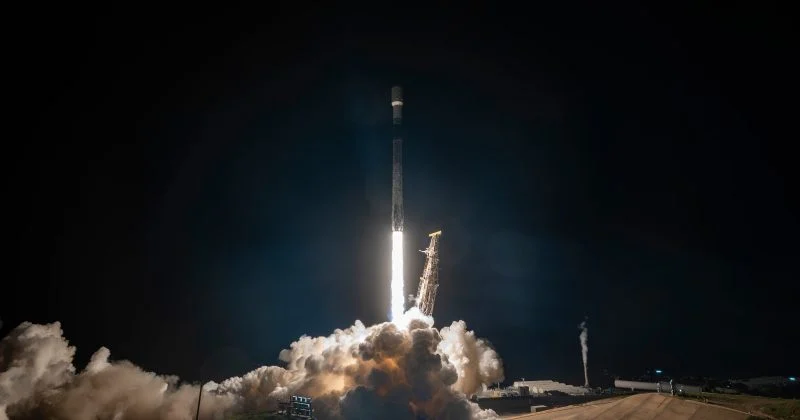
SpaceX shares rose for a second consecutive trading session in early August, edging back toward the company's $135 IPO price following a steep decline that pushed the stock well below its offering level.
Elon Musk's rocket and satellite company went public on June 11, 2026, in what was the largest US IPO by proceeds at the time of its completion. SpaceX raised between $75 billion and $85.7 billion at $135 per share, achieving an opening valuation of approximately $1.77 trillion and surpassing every previous record holder in the history of American equity markets. To put that figure in perspective, no prior US listing had approached the $1 trillion threshold at debut; SpaceX's opening valuation exceeded the combined IPO proceeds of the ten largest US public offerings completed before it.
Post-IPO Surge and Subsequent Decline
The first day of trading produced a sharp rally, with shares surging above $225 intraday—a gain of nearly 67% from the offering price. However, by mid-July, the stock had erased its entire post-IPO gain and fallen below $135. Intraday trading levels ranged between $123 and $132 during that period, reflecting a broad shift in market sentiment over the span of roughly six weeks. The reversal echoed a pattern seen in other high-profile mega-cap debuts, where initial scarcity-driven pops give way as floating supply expands and early buyers take profits.
Lockup Expiration Adds Selling Pressure
SpaceX's lockup release in July introduced a significant increase in tradeable supply to the market. Lockup periods, which typically restrict insiders and early backers from selling shares for 90 to 180 days after an IPO, are a standard mechanism designed to prevent a flood of selling immediately after a listing. When those restrictions lift, the sudden increase in available shares can weigh on prices—particularly for companies with large insider ownership—if demand does not keep pace. This additional supply coincided with cooling investor enthusiasm, amplifying the downward pressure on the share price.
The modest two-day recovery observed in early August indicates that the market may be beginning to absorb the increased supply from the lockup expiration. For context, post-lockup stabilization is common among newly public companies once the initial wave of insider selling subsides and the float finds a new equilibrium, though the timeline varies widely by issuer and market conditions.
Founded by Musk in 2002, SpaceX is a dominant force in aerospace, known for its Falcon 9 reusable rockets, Dragon spacecraft, and the Starlink satellite internet constellation. The company's IPO valuation also incorporated its artificial intelligence ambitions, with the xAI subsidiary factoring into how analysts assessed SpaceX's long-term growth potential. SpaceX's reusable rocket technology has reshaped the global launch market by substantially lowering per-mission costs, while Starlink's low-Earth-orbit satellite network has grown to serve millions of internet subscribers across dozens of countries—two revenue streams that underpinned investor expectations for the company's public-market trajectory.

