SpaceX SEC Filing Gives Elon Musk the Final Word on Tesla Merger He Says He's Staying Out Of
Key Takeaways
- •SpaceX's SEC filing states that any merger with Tesla would require approval by the special committee, the board of directors, and Elon Musk as controlling shareholder, who controls roughly 85% of SpaceX's voting power.
- •Musk recused himself from both special committees formed on October 20, but his public endorsement of the deal has complicated their ability to negotiate independently, according to Reuters.
- •Analysts estimate the proposed combination could create an entity worth approximately $3.5 trillion, a figure that would exceed every completed merger on record.
- •Tesla shareholders must approve the deal with support from 50% of all outstanding shares—a standard where abstentions effectively count against approval—with a vote expected at or near the December 3 annual meeting.
- •Critics point to Tesla's 2016 SolarCity acquisition as precedent, noting that under Delaware's Kahn v. M&F Worldwide framework, a conflicted-controller merger earns business-judgment deference only if it involves independent-committee negotiation and a majority-of-the-minority shareholder vote.
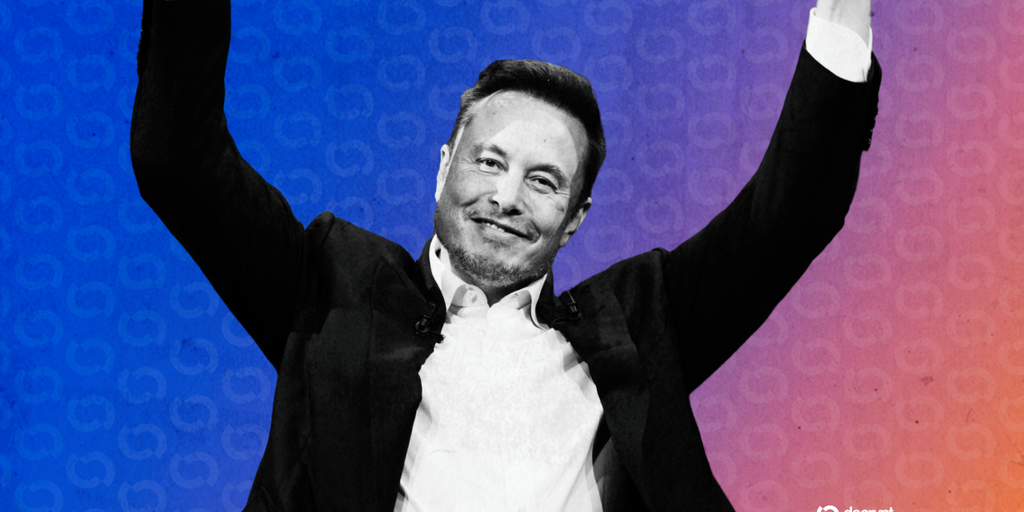
SpaceX's SEC filing makes clear that any merger with Tesla would ultimately require the approval of the company's “controlling shareholder”—Elon Musk, who controls roughly 85% of its voting power—even though the billionaire has recused himself from the merger talks.
Musk stepped back from both special committees evaluating the proposed combination, but he has not stayed quiet: he has publicly endorsed the deal, fueling concerns about the independence of the negotiation process.
Tesla shareholders must clear a 50%-of-all-outstanding-shares approval threshold, with a vote expected at or near Tesla's December 3 annual meeting.
The Filing
Elon Musk recused himself from the SpaceX-Tesla merger talks. His company's SEC filing suggests that doesn't mean much.
SpaceX's 10-Q filing, disclosed on October 22, stated that any potential combination with Tesla “would be subject to further approval by our special committee, our board of directors and our controlling shareholder.” Musk controls roughly 85% of SpaceX's voting power. He is the controlling shareholder.
Both companies formed special committees on October 20 to evaluate a proposed deal that analysts estimate could create a combined entity worth around $3.5 trillion—a figure that would dwarf every completed merger on record. Musk described staying out of the talks as “an odd kabuki dance where two groups of people are talking, and I can't be in the conversation.” The filing language suggests he'll have the last word anyway.
Elon Musk explains where a SpaceX–Tesla merger stands: “I mean, this is definitely kind of a question where I feel like I'm tap dancing through a minefield. But so I have to be thoughtful about what I say here.” "I think so both SpaceX and Tesla have formed special committees… pic.twitter.com/LYwYW0y14u
— Fireside Alpha (@firesidealpha) October 20, 2026
Already in the Conversation
He has also already been part of the conversation. Reuters reported that Musk's public endorsement of the deal earlier this month created a “mess” for the independent process, with insiders saying it complicated the special committees' ability to negotiate at arm's length.
Critics are pointing to Tesla's 2016 SolarCity acquisition—another conflicted transaction that ultimately cleared Delaware courts—as the closest governance precedent. How courts weigh such deals matters: under the Delaware Supreme Court's Kahn v. M&F Worldwide framework, a conflicted-controller merger earns business-judgment deference only if it is conditioned from the outset on independent-committee negotiation and a majority-of-the-minority shareholder vote; otherwise it faces “entire fairness” review. SpaceX's own investor disclosures have flagged Musk's overlapping interests as a material risk.
A High Hurdle
Tesla shareholders must clear a 50%-of-all-outstanding-shares threshold—not a simpler majority of votes cast, meaning shares that sit out the vote effectively count against approval—a standard Musk himself has called “quite a high hurdle.” REX Financial estimates that the merged company would give him roughly 57% of its combined voting power.
Tesla's annual meeting is scheduled for December 3. Between now and then, the markers to watch are the special committees' recommendation and the proxy statement that will lay out the terms shareholders are being asked to approve.

