SpaceX Bylaws' Class Action Waivers Face Unresolved Legal Questions
Key Takeaways
- •SpaceX's bylaws generally require shareholder internal disputes, including derivative, fiduciary-duty, governance, and certain federal securities-law claims, to be brought exclusively in the Texas Business Court, with binding arbitration in Houston serving as a fallback if that court lacks jurisdiction.
- •The bylaws contain two distinct class action waivers, one for litigation and one for arbitration, and while the arbitration waiver is strongly supported by Federal Arbitration Act precedent, the standalone court waiver rests on less settled legal ground.
- •SpaceX reincorporated from Delaware to Texas in 2024, and Professor Mohsen Manesh argues that Delaware's withheld assent could mean no arbitration agreement exists for federal law to protect, though courts have not yet accepted or rejected that theory.
- •The SEC reversed its shareholder-arbitration policy in September 2025, removing a regulatory obstacle, yet comparable provisions remain rare among public companies, with Zion Oil & Gas identified as another adopter after Texas reincorporation.
- •Institutional investor groups including CalPERS have opposed SpaceX's dispute-resolution rules, and a future Securities Act Section 11 claim could put the standalone class waiver to a direct judicial test in the Texas Business Court.
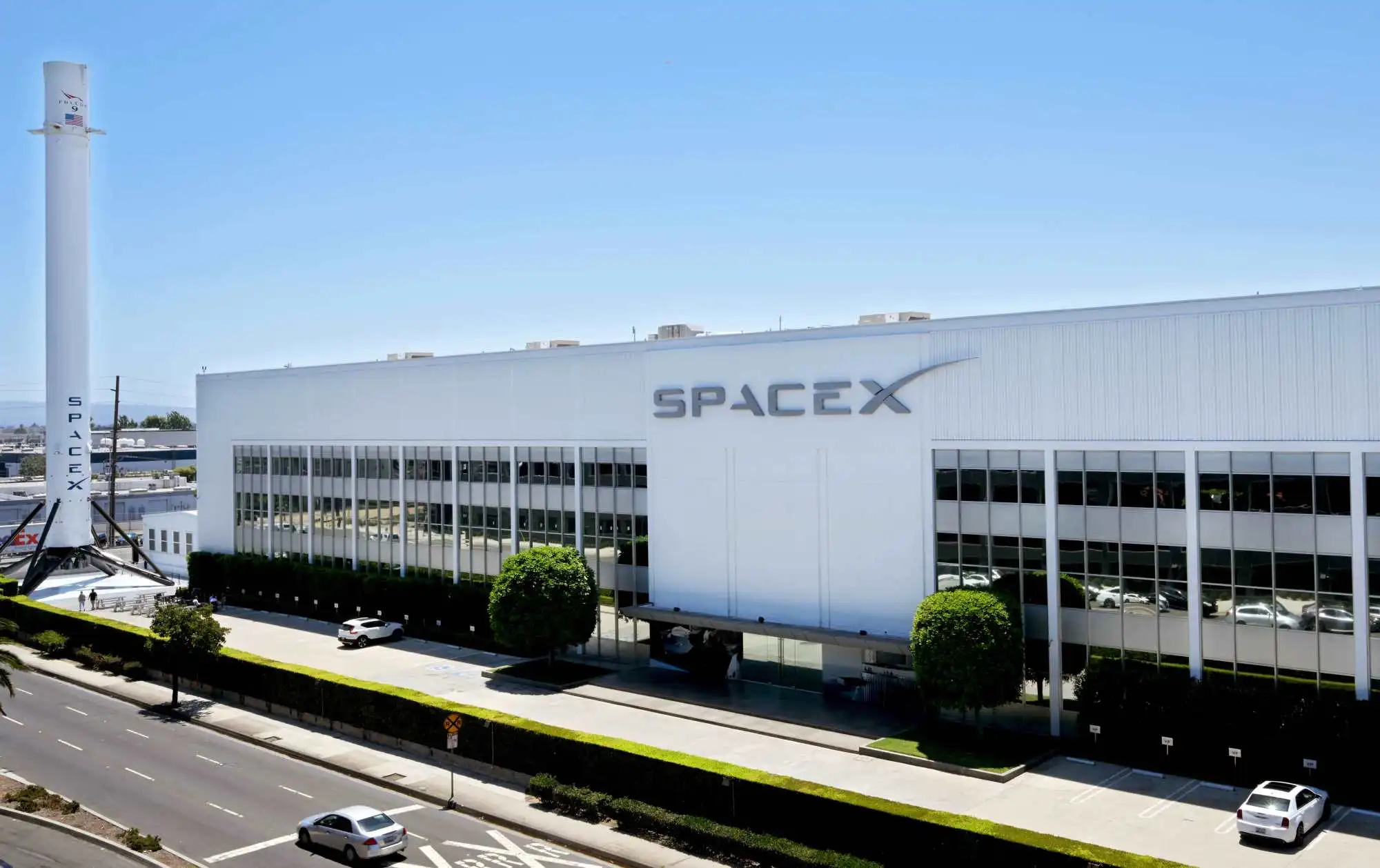
SpaceX's corporate bylaws could restrict shareholder class actions through provisions whose enforceability remains untested. A recent episode the Consumer Finance Monitor podcast examined the company's rules for litigation and arbitration following its initial public offering. With those provisions now governing public shareholders rather than a private ownership base, the questions they raise reach beyond one company's governance documents.
Host Alan Kaplinsky spoke with Mohsen Manesh, a professor at the University of Oregon School of Law. Their discussion covered shareholder consent, federal securities law, and the ongoing competition between Texas and Delaware for corporate charters.
Bylaws Route Disputes to the Texas Business Court
The SpaceX bylaws establish a system that goes beyond a conventional arbitration clause. The provisions determine where shareholders file disputes, when arbitration applies, and whether investors may proceed as a class.
Under Article 10, shareholder “internal disputes” must generally be brought exclusively in the Texas Business Court. The category covers derivative actions, fiduciary-duty claims, corporate-governance claims, and certain federal securities-law claims.
Arbitration serves as a fallback if that court finally determines it lacks jurisdiction. Only once the judgment becomes unappealable does the claim qualify as an “other dispute” subject to binding arbitration. The Texas Arbitration Act and expedited International Chamber of Commerce rules govern that process, with Houston, Texas, designated as the arbitration venue.
Federal statutes shape the outcome for different claim types. The Securities Act of 1933 allows state and federal courts to share jurisdiction, while the Exchange Act of 1934 gives federal courts exclusive jurisdiction over Exchange Act claims. As a result, a Securities Act Section 11 claim would ordinarily follow the Texas Business Court provision, while an Exchange Act claim, such as a Rule 10b-5 claim, would ultimately reach arbitration.
Two Class Action Waivers, Two Legal Questions
The bylaws contain separate class action waivers for litigation and arbitration. Shareholders must pursue claims individually in either forum, although SpaceX retains the ability to consolidate them.
The Federal Arbitration Act gives arbitration-based class waivers substantial backing under Supreme Court precedent. Its preemptive effect generally displaces state rules that would bar enforcement of otherwise valid arbitration agreements.
The standalone court waiver presents a different problem, because it cannot rely on that protection in the same way. According to the podcast's published legal discussion, Manesh said shareholders could invoke traditional state-law contract doctrines, including unconscionability or public policy. Shareholders could also argue that federal securities-law anti-waiver provisions prohibit the waiver. That distinction leaves the litigation waiver on comparatively less settled ground, and its enforceability could shape whether claims staying in the Texas Business Court proceed individually.
Share Purchases and Corporate Consent
Corporate law generally treats a company's charter and bylaws as part of its contractual relationship with shareholders. Purchasing shares generally implies assent, even without reading those documents. Manesh said those principles generally extend to investors buying shares on the secondary market, which could complicate an argument based solely on never having signed an arbitration agreement.
SpaceX reincorporated in Texas in 2024 after previously being incorporated in Delaware. Delaware restricts provisions that prevent certain shareholder claims from reaching its courts. Manesh argues that Delaware's withheld assent could mean no arbitration agreement exists for federal law to protect. Courts have not yet accepted or rejected that theory. The contrast helps explain why the competition between Texas and Delaware for corporate charters carries consequences for shareholder litigation rights.
A Potential Judicial Test Remains Ahead
Section 11 claims can concern material misstatements or omissions in a registration statement. The SpaceX bylaws would direct such a claim to the Texas Business Court, potentially putting the standalone class waiver to a direct test.
Manesh specializes in corporate, contract, and LLC law, and this episode marked his second appearance discussing shareholder arbitration and the SEC's changing position. The SEC reversed its shareholder-arbitration policy in September 2025, removing an important regulatory obstacle. Even so, Manesh said comparable provisions have not spread broadly across public companies. He identified Zion Oil & Gas as another adopter following Texas reincorporation.
Institutional investor groups, including CalPERS, have opposed SpaceX's dispute-resolution rules. For companies considering similar provisions, judicial scrutiny and investor reactions remain unresolved considerations. Whether courts accept the withheld-assent theory, whether a Section 11 claim actually tests the standalone waiver, and whether more companies follow SpaceX and Zion Oil & Gas are among the developments most likely to clarify the picture.
Source: BlockTelegraph

