Elon Musk Dismisses $120B Anthropic Exit Talk as SpaceX Unveils $74B AI Computing Expansion
Key Takeaways
- •SpaceX plans to invest more than $74 billion across two AI supercomputing sites, committing over $24 billion to its Texas Starbase facility and approximately $50 billion to a proposed Arizona campus that could add roughly 1,000 permanent jobs.
- •The Arizona development faces regulatory and safety hurdles, including a Dec. 9 county review, public opposition, and six emergency planning recommendations on fire protection, battery storage, and emergency response approved on Nov. 12.
- •SpaceX's Super Intelligence segment generated $7.56 billion in the third quarter, about 52% of total revenue, while a single customer contributed 34.5%, a concentration Bloomberg linked to Anthropic as the company's largest client.
- •Anthropic's Nov. 10 IPO filing proposed raising $57.75 billion to $64.35 billion, an offering that would exceed Saudi Aramco's roughly $29 billion 2019 listing, the largest on record, if completed at either end of the price range.
- •Computing agreements between Anthropic and SpaceX.AI LLC are worth up to $120.5 billion through 2029, with monthly payments of about $3.1 billion expected once full capacity arrives in December, and either party may terminate with 90 days' notice after noncancelable periods expire in early 2027.
Musk's $74 Billion AI Expansion Targets Texas and Arizona
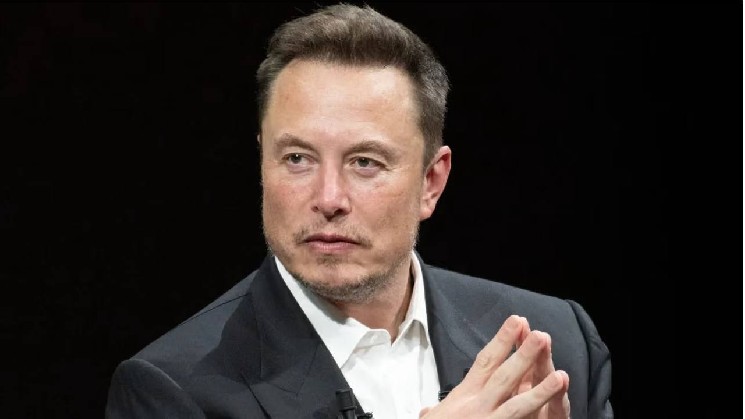
Elon Musk's SpaceX (Nasdaq: SPCX) announced plans on Nov. 12 to invest more than $74 billion in two AI supercomputing facilities in Texas and Arizona. The announcement came one day after Musk responded to speculation that Anthropic could decline to extend a computing agreement worth up to $120.5 billion, tying the company's aggressive spending plans to unresolved questions about future customer demand.
SpaceX outlined its planned computing expansion, allocating more than $24 billion to its Starbase facility in Texas and approximately $50 billion to a proposed campus in Cochise County, Arizona. The Texas project is designed to generate its own electricity rather than drawing from the public grid, and the company expects it to create more than 500 permanent jobs. The Arizona development could add approximately 1,000 permanent positions.
The proposed Arizona facility faces regulatory and safety hurdles. Cochise County's development application describes a 747-acre site with up to nine computing buildings and an estimated electricity demand of 6 gigawatts at full capacity — for scale, roughly the combined output of six large nuclear reactors, since a typical reactor generates about 1 gigawatt. The project requires county approval and has drawn public opposition.
At a Nov. 12 meeting, the county's Local Emergency Planning Committee reportedly approved six recommendations addressing fire protection, battery storage, and emergency response capabilities, with the advisory panel seeking stronger safeguards before development proceeds. County officials are scheduled to consider the development again at a review on Dec. 9, amid public opposition and emergency preparedness concerns.
One Customer Accounted for 34.5% of SpaceX's Quarterly Revenue
The multibillion-dollar investment plans come as SpaceX's AI operations account for a growing share of its business. Its third-quarter SEC filing showed that the Super Intelligence segment generated $7.56 billion, approximately 52% of total quarterly revenue of $14.58 billion. The segment, which includes computing services, software, and advertising, reported $431 million in operating income, reversing a $1.72 billion loss a year earlier.
Much of that revenue, however, is concentrated among a small group of major customers. Bloomberg identified Anthropic as SpaceX's largest customer, citing a person familiar with the relationship, while SpaceX disclosed that a single customer, labeled Customer B, accounted for 34.5% of third-quarter revenue. Companies typically flag customers that individually represent 10% or more of revenue in securities filings, a disclosure designed to surface dependence on any single buyer.
That reliance has attracted scrutiny following unverified claims that Anthropic could decline to extend its computing agreement beyond mid-2027. Responding to the speculation surrounding the agreement on Nov. 11, Musk stated on X:
"We would be happy to take the compute back. No problem. But I think the opposite is going to happen."
Anthropic's IPO Filing and the $120.5 Billion Computing Deal
The speculation emerged as Anthropic prepared for a major initial public offering (IPO). Its Nov. 10 filing proposed selling 825 million shares at $70 to $78 each, representing a potential offering of $57.75 billion to $64.35 billion before underwriting fees — a size that would exceed the largest IPO on record, Saudi Aramco's roughly $29 billion 2019 listing, if completed at either end of the range. The company applied to list on Nasdaq under the ticker ANT, subject to completion of the offering.
Anthropic's amended Securities and Exchange Commission filing, submitted Nov. 10, detailed computing agreements with SpaceX.AI LLC worth up to $120.5 billion over terms extending into 2029. Monthly payments are expected to reach approximately $3.1 billion once all contracted capacity becomes available, currently anticipated in December — an annualized pace of roughly $37 billion. Either company can terminate the relevant agreements with 90 days' written notice after initial noncancelable periods expire in January and March 2027.
Massive AI Investments Face Competing Demand Expectations
The expansion and the Anthropic agreement reflect SpaceX's bet on sustained demand for AI computing power. Musk previously defended SpaceX's long-term ambitions amid criticism of its AI computing arrangements. Venture capitalist Chamath Palihapitiya suggested constrained supplies could strengthen the company's negotiating position, while Musk acknowledged that cheaper, more abundant capacity could reduce revenue.
Anthropic also maintains substantial computing relationships with Google, Amazon, Microsoft, and other providers. Beyond these centralized suppliers, decentralized AI computing networks offer an alternative model that distributes processing capacity among independent operators, though such networks remain distinct from the large corporate facilities supporting Anthropic's agreements.
SpaceX is separately pursuing Musk's plans for space-based AI computing, including orbital data centers designed to operate beyond terrestrial infrastructure.
The company faces two significant tests: whether customers continue purchasing sufficient computing capacity, and whether its proposed facilities secure regulatory approvals. The Arizona project's next review on Dec. 9 will provide one early indication, as county officials weigh the development against public opposition and emergency preparedness concerns.

