SpaceX Plans $24 Billion Texas Supercomputer With Dedicated 748 MW Gas Power Plant
Key Takeaways
- •SpaceX has proposed a $24 billion super-compute facility at Starbase, Texas, supported by its own natural gas power plant rather than electricity supplied through the local grid.
- •The planned power plant would use 35 turbines to generate 748 megawatts, roughly three-quarters of a gigawatt and less than half the 1.7 gigawatts Anthropic recently agreed to procure for $3.4 billion.
- •At $24 billion, the project's value is roughly 17 times SpaceX's Bitcoin reserves of 18,712 BTC, worth approximately $1.39 billion according to Bitcointreasuries.net.
- •The development follows Elon Musk's February merger of xAI, the company behind the Grok chatbot, into SpaceX through a stock swap that valued the combined business at approximately $1.25 trillion.
- •A public hearing on SpaceX's requested property tax abatement is scheduled for December 9, while Texas's regulatory audit of data centers, which covers on-site power generation as well as grid connections, creates uncertainty about how the facility will be evaluated.
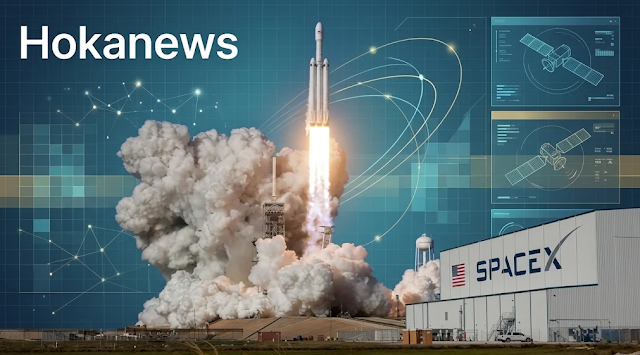
SpaceX has filed plans for a $24 billion supercomputing development at Starbase, Texas, that would be powered by a company-run natural gas power plant rather than the local grid, according to a City Notice.
The scale of the proposal is particularly striking when measured against the company's cryptocurrency holdings: at $24 billion, the project would be roughly 17 times the value of SpaceX's Bitcoin reserves, which stand at 18,712 BTC worth approximately $1.39 billion, according to Bitcointreasuries.net.
According to the City Notice, the facility would be built at Starbase, a city in Cameron County, Texas, incorporated in 2021, that developed around SpaceX's primary rocket manufacturing facility and launch site. The development is described as a "super-compute facility" supported by an independently operated natural gas power plant.
A 748 MW Plant With 35 Turbines
The proposed energy facility would reportedly deploy 35 turbines capable of generating 748 megawatts of electricity. Instead of relying entirely on power supplied through the local grid, SpaceX intends to build its own generation infrastructure alongside the computing facility.
"SpaceX proposes to construct, own, and operate a gas-fired power plant and super-compute facility," the City Notice states.
The arrangement underscores a broader push among technology companies to secure dedicated electricity supplies for energy-intensive computing. Most AI data centers traditionally connect to existing electricity networks; SpaceX's proposed setup would combine power generation and computing infrastructure at a single site.
The project also arrives amid other major commitments to gas-powered energy infrastructure for artificial intelligence. Anthropic recently agreed to purchase 1.7 gigawatts of gas-fired generators in a deal valued at $3.4 billion. One gigawatt equals 1,000 megawatts, meaning SpaceX's proposed plant would equal roughly three-quarters of a gigawatt — less than half the capacity Anthropic agreed to procure.
Commenting on the industry-wide trend, Global Commodity Trader Index wrote on X that artificial intelligence expansion is increasingly driving demand for natural gas and power generation equipment. The organization said technology companies are seeking direct access to electricity generation rather than waiting for utilities to add capacity, and it identified gas producers, turbine manufacturers and pipeline operators as potential beneficiaries of growing data center demand.
The City Notice, however, does not specify why SpaceX has chosen to develop its own natural gas power plant for the proposed facility.
SpaceX's Expanding AI Ambitions
The Texas development follows SpaceX's recent move into artificial intelligence. In February, Elon Musk merged his AI company, xAI — the firm behind the Grok chatbot — into SpaceX through a stock swap that valued the combined business at approximately $1.25 trillion.
If built, the supercomputer facility would add another major infrastructure component to the company's expanding technology operations. Its pairing of dedicated electricity generation with computing capacity would place the project squarely within the broader competition to secure resources for advanced AI development.
Separately, the City of Starbase is weighing a property tax incentive requested by SpaceX to support the development. The proposed abatement would reduce the company's property tax obligations and allow it to use the Cameron County Enterprise Zone for the project. A public hearing on the requested tax arrangement is scheduled before the city commission on December 9.
Political Shifts Add Uncertainty
The proposal is emerging amid increasing political scrutiny of energy-intensive data center developments across Texas.
Democrat Gina Hinojosa won the state's gubernatorial election on November 3, defeating Republican incumbent Greg Abbott. During her campaign, Hinojosa opposed the expansion of AI data centers and criticized Abbott over the growth of electricity-intensive facilities.
Abbott had previously ordered a pause on August 3, preventing additional data centers from advancing through the state grid operator's connection process while regulators conduct an audit. The review extends beyond grid connections: it also examines on-site power generation and the potential effects of data center developments on local water resources and communities, regardless of where their electricity originates.
SpaceX's plan to operate its own natural gas power plant therefore raises questions about how the proposed facility will be evaluated under the state's regulatory review. It remains unclear whether generating electricity independently will allow the company to avoid any of the regulatory restrictions affecting other data center projects.
The outcome of the review, together with the requested local tax incentive, could shape the path forward for the $24 billion development — with the December 9 public hearing the next scheduled step.
Source: CoinDesk

