Brent Crude Falls Below $90 per Barrel for First Time Since August
Key Takeaways
- •Brent crude has fallen below $90 per barrel for the first time since August, placing it roughly 24 percent below its late-October high of $118.
- •The price decline is attributed to reduced concerns over Middle East supply disruptions and increased production from Saudi Arabia, Kuwait, and Iraq.
- •Current market pricing indicates a decreased likelihood of crude reaching new all-time highs in the near term or by the end of the year.
- •As the benchmark for a large share of internationally traded crude, Brent's level is a key input for fuel costs, transportation expenses, and inflation expectations across importing economies.
- •Market participants are expected to monitor Middle East geopolitical developments and potential production strategy decisions by OPEC and key officials such as Saudi Arabia's energy minister in the months ahead.
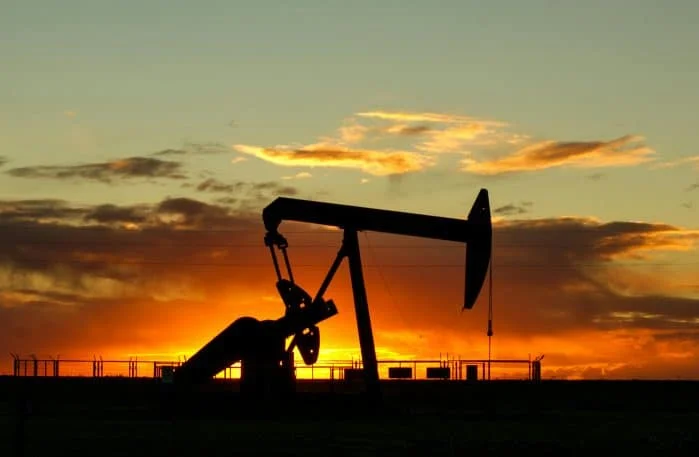
Brent crude oil has fallen below $90 per barrel for the first time since August, according to a report from @FirstSquawk. The move marks a significant shift from the recent high of $118 per barrel observed at the end of October, leaving the benchmark roughly 24 percent below that late-October peak.
Brent serves as the pricing benchmark for a large share of the world's internationally traded crude, which makes its level a key input for fuel costs, transportation expenses, and inflation expectations across importing economies.
The decline is attributed to two main factors: reduced concerns over potential supply disruptions in the Middle East, and increased production from key oil-producing countries, including OPEC members Saudi Arabia, Kuwait, and Iraq. Current market pricing indicates a decreased likelihood that crude oil will reach new all-time highs in the near term, along with a lower implied probability of fresh record levels by the end of the year.
The price retreat reflects broader shifts in geopolitical stability and production levels across the Middle East, and appears consistent with reduced expectations for supply disruptions alongside increased output from major producers.
Looking ahead, market participants are expected to closely monitor geopolitical developments in the Middle East that could impact oil supply and prices. Key actors, such as OPEC and its Secretary General Mohammad Sanusi Barkindo, along with Saudi Arabia's Energy Minister Abdulaziz bin Salman Al Saud, may play significant roles in shaping future oil production strategies.
Additionally, shifts in global oil demand and potential policy changes by major oil-producing countries could influence market expectations for crude oil prices in the coming months.
Source: CryptoBriefing

