S&P 500 Closes at Record High as Soft Inflation Data Powers Tech Rally
Key Takeaways
- •The S&P 500 closed at a new all-time high on August 13 after briefly surpassing 7,800 intraday, buoyed by mild July inflation data.
- •The Consumer Price Index increased 0.1% month-over-month and 3.4% year-over-year in July, edging lower from June's 3.5% annual reading.
- •Cisco Systems shares dropped nearly 10% following disappointing margin results, which offset broader gains in the price-weighted Dow Jones Industrial Average.
- •Traders scaled back wagers on a September rate hike after both CPI and PPI readings came in subdued, prompting declines in Treasury yields and oil prices.
- •Despite the ongoing disinflation trend, July's CPI of 3.4% remains above the Federal Reserve's 2% target, with Chair Jerome Powell reiterating the need for sustained progress before any policy adjustments.
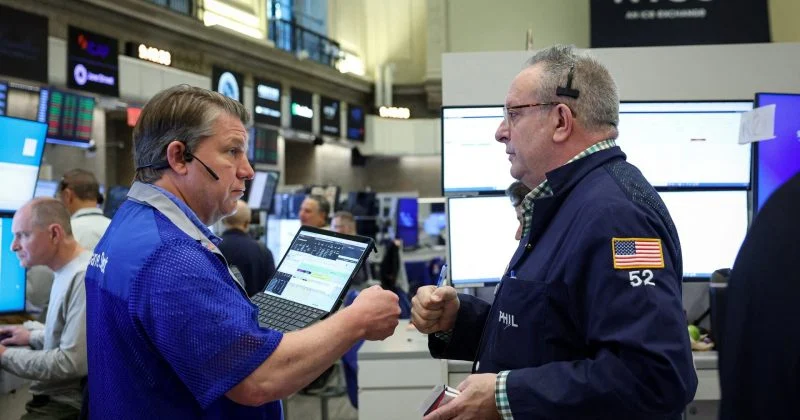
The S&P 500 secured another record close on August 13, briefly surpassing 7,800 intraday before finishing at its highest level ever. The advance was driven by July inflation data that came in mild enough to reinforce expectations the Federal Reserve will hold interest rates steady.
The Consumer Price Index rose 0.1% month-over-month and 3.4% year-over-year in July, edging down from June's 3.5% annual pace. Both figures arrived roughly in line with economist forecasts. The figures continue a broader disinflation trajectory from the four-decade highs above 9% annual CPI reached in mid-2022.
Market Reaction Across Indexes
The Nasdaq Composite gained approximately 0.5% to 0.8%, lifted by a broad technology rally that boosted major names including Meta Platforms and Netflix. The Dow Jones Industrial Average traded near flat, weighed down by a sharp single-stock decline.
Cisco Systems shares plunged nearly 10% after the company reported disappointing margins. Because the Dow is price-weighted, the drop from a high-priced component was enough to offset gains across the rest of the 30-stock index.
The CPI report followed an equally subdued Producer Price Index release. Together, the two readings prompted traders to scale back wagers on a September rate hike, instead pricing in a Federal Reserve more inclined to pause than tighten further. Treasury yields and oil prices both moved lower on the data. The next scheduled FOMC meeting in September now stands as the key event for markets gauging whether the Fed officially confirms that shift in posture.
Technology and AI Continue to Lead
Gains were concentrated in the sectors that have defined the 2026 market narrative: technology and semiconductors. The S&P 500 has notched multiple all-time highs this year, with artificial intelligence spending acting as a consistent driver. Meta Platforms and Netflix each posted notable advances, reflecting renewed confidence in mega-cap technology stocks. Growth-heavy tech names are particularly sensitive to interest-rate expectations, as their valuations lean heavily on projected future earnings that are discounted more steeply when borrowing costs rise.
Fed Outlook
At 3.4% year-over-year, July's CPI remains above the Federal Reserve's 2% target. However, the downward move from 3.5% extends a disinflationary trend that affords policymakers room to remain patient. The PPI data reinforced that view, showing producer prices tame enough to suggest inflation is not re-accelerating.
The gap between 3.4% and 2% is still significant. Fed Chair Jerome Powell has repeatedly stated that the committee needs to see sustained progress before adjusting policy in either direction.

