Gas Shortages and High Prices Threaten Southeast Asia's Power Generation Buildout
Key Takeaways
- •Southeast Asia's six largest power markets are expected to bring only approximately 14.9 GW of new gas-fired capacity online by 2030, falling far short of their combined 53 GW target.
- •Only 11 GW of the region's planned gas-to-power pipeline has secured gas turbines, with unsecured capacity facing delivery lead times of at least five years due to a global turbine shortage.
- •Singapore is the sole market among the six on track to meet its 2030 gas capacity addition targets, while Vietnam faces the largest shortfall with just 3.7 GW of its 29.4 GW goal likely operational.
- •Indonesia has secured turbine supply for only 200 MW of its planned 8.4 GW gas capacity pipeline and is shifting emphasis toward accelerating solar deployment alongside selective gas development.
- •The IEA projects Southeast Asia's renewable capacity, currently at 120 GW as of 2024, could nearly triple by 2035 under current policies and potentially increase fivefold if all announced targets are achieved.
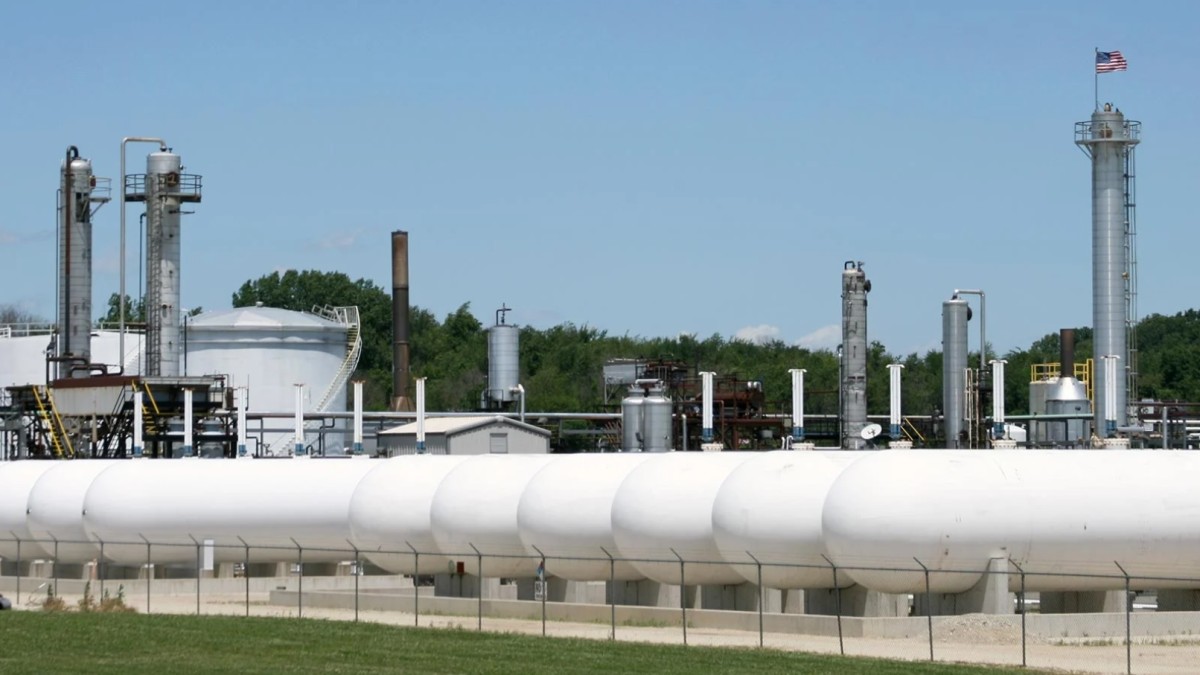
Southeast Asia is falling significantly short of its ambitious plans to expand gas-fired power generation, as fuel availability constraints, volatile pricing, and supply chain bottlenecks threaten to drive up costs and delay projects by years, according to energy consultancy Wood Mackenzie.
The shortfall carries significant implications for a region where electricity demand is among the fastest-growing in the world, driven by rising incomes, industrialization, and population growth. Six of the region's largest economies and power markets — Indonesia, Malaysia, Vietnam, Singapore, Thailand, and the Philippines — are on track to deliver only a third of their combined planned gas-fired power capacity by the end of the decade. Project execution is being hindered by a global shortage of gas turbines, volatile LNG costs, financing constraints, and infrastructure and equipment bottlenecks, WoodMac estimates.
Gas has been positioned by many Southeast Asian governments as a cleaner-burning bridge fuel between coal and renewables, making the delivery gap a potential setback for both energy security and emissions reduction plans. These delays, and the prospect of meeting only a fraction of gas-power goals, are forcing policymakers to reconsider the role of gas in both near- and long-term energy transition strategies, said Wei Han Tan, Southeast Asia power and renewables research analyst at Wood Mackenzie, in the consultancy's new report. This shift suggests that coal in the near term and renewables in both the near and long term could play larger roles in Southeast Asia's electricity mix than previously anticipated.
Delays and Bottlenecks
Collectively, the six largest Southeast Asian power markets aim to install 53 gigawatts (GW) of new gas-fired power capacity by 2030, based on their respective government targets. However, WoodMac projects that only a third — approximately 14.9 GW — will actually come online by the end of the decade, citing supply chain bottlenecks, volatile LNG prices, tighter LNG markets amid the Middle East crisis, and financing constraints.
"The challenge today is not planning power projects but executing them," said Alvin Tan, Southeast Asia power and renewables research analyst at Wood Mackenzie. "New gas-fired capacity depends on several critical enablers, including LNG infrastructure, project financing, and turbine availability. A bottleneck in any one of these areas can delay an entire project."
The global turbine shortage has been intensified by surging demand from Europe and North America, where utilities are also racing to add gas-fired capacity, leaving Southeast Asian developers competing for limited manufacturing slots. Only 11 GW of the planned gas-to-power pipeline in Southeast Asia has secured gas turbines. The remaining planned capacity that has yet to secure turbines is likely to face delivery lead times of at least five years, WoodMac notes.
Among the six individual markets, Singapore appears on track to meet its gas capacity addition targets by 2030, having secured turbine supply for all major projects expected before that date. It is the only market in the region on course to meet its goals; all others are falling behind, some by significant margins.
Vietnam faces the largest gap between ambition and delivery — only 3.7 GW of the government's 29.4 GW target for new gas power capacity is likely to begin operations by 2030, according to WoodMac. "Early LNG-to-power projects have exposed commercial challenges around fuel pricing and cost allocation, while uncertainty over domestic gas supply and project timing continues to delay development," the consultancy's analysts wrote.
Indonesia, Southeast Asia's biggest economy, has secured turbine supply for only 200 MW of its planned 8.4 GW gas capacity pipeline. Domestic coal use could reduce near-term reliability risks in power supply but may also slow decarbonization efforts. "As a result, Indonesia is placing greater emphasis on accelerating solar deployment alongside selective gas development," WoodMac said.
Middle East Crisis Compounds Challenges
The ongoing crisis in the Middle East has added further uncertainty for Southeast Asian policymakers, who are working to secure near-term gas supplies amid soaring prices and tightening markets. The volatility builds on disruptions that began with Russia's invasion of Ukraine in 2022, which reshaped global LNG trade flows as Europe sought replacement supplies, pushing spot LNG prices to record highs and squeezing availability for Asian buyers. Some governments have turned to increased coal use for power generation. While coal cannot fully replace lost gas supply, it has provided a buffer helping Asia navigate what is described as the biggest-ever supply disruption in energy markets.
"The crisis is prompting a reassessment of policy and investment strategies amid a strong prioritisation of energy security," the International Energy Agency (IEA) said in its report Southeast Asia Energy Outlook 2026.
Despite an expected rise in coal demand across Asia Pacific, the crisis does not represent a coal comeback but rather a reality check for the region's energy transition, said Tonmit Talukdar, Analyst, Coal Research at Rystad Energy. Governments are maintaining their long-term goals, though many gas-fired power projects are likely to face delays due to supply chain issues and volatile feedstock prices.
The Middle East crisis has made energy diversification a central priority for Southeast Asia, with clean energy, electrification, and efficiency serving as key levers to reduce import exposure and strengthen energy system resilience, the IEA said. The agency expects Southeast Asia's renewable capacity — at 120 GW as of 2024 — to nearly triple by 2035 under current policy settings and potentially increase fivefold if all announced targets are achieved.
Nevertheless, coal and gas-fired power plants will continue to play a role in all scenarios through 2050, supplying bulk electricity under scenarios based on current and stated policies while pivoting more quickly to flexible operation under announced pledges, the IEA notes.
By Tsvetana Paraskova for OilPrice.com.

