South Korea Busts $9M XRP Staking Scam, Three Arrested After 71 Investors Defrauded in Seven Days
Key Takeaways
- •South Korean authorities have referred three suspects to prosecutors for allegedly operating a fraudulent XRP staking platform that collected approximately 3.4 million XRP from 71 investors during a seven-day period in October 2025.
- •The fraud ring promised guaranteed monthly returns of 1.5% to 1.8% and misused the names of legitimate blockchain projects such as Flare Network and FXRP to enhance its credibility.
- •Police froze approximately 17.3 billion won in virtual assets held at overseas exchanges, though investigators believe at least 10 billion won had already been moved before the freeze took effect.
- •A fourth suspect remains abroad under an Interpol Red Notice, and blockchain analysis indicates the total financial damage may substantially exceed the confirmed 12.3 billion won.
- •The investigation was conducted under expanded enforcement powers provided by South Korea's Virtual Asset User Protection Act, which took effect in July 2024 to strengthen oversight of digital asset-related crimes.
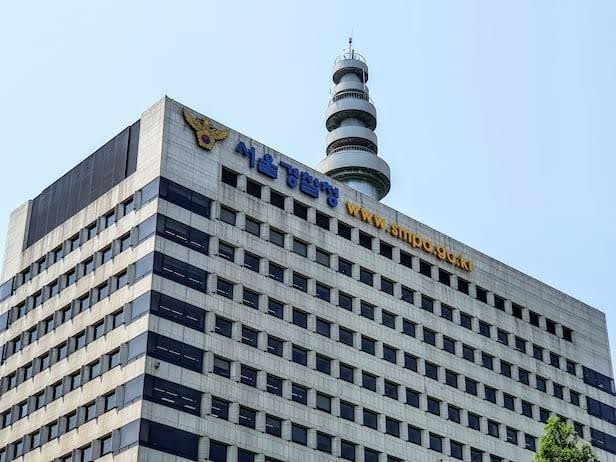
South Korean authorities have dismantled a cryptocurrency fraud ring that allegedly defrauded investors of approximately 12.3 billion won (roughly $9 million) worth of XRP through a fake staking platform. The Seoul Metropolitan Police Agency has turned over three suspects to prosecutors and is pursuing at least one additional suspect abroad. South Korea has long been one of the world's most active cryptocurrency trading markets, and the case arrives amid a broader regulatory push following the implementation of the Virtual Asset User Protection Act in July 2024, which expanded authorities' tools for pursuing digital asset-related crimes.
According to investigators, the suspects operated a fraudulent website between October 16 and October 23, 2025. During that seven-day window, the group allegedly recruited 71 investors and collected nearly 3.4 million XRP by promising monthly returns of 1.5% to 1.8%. Staking, the legitimate practice of locking cryptocurrency to support blockchain network operations in exchange for rewards, has become a frequent cover for fraud as attackers exploit investors' familiarity with the concept. To lend credibility to the scheme, the suspects reportedly used the names of legitimate blockchain projects, including Flare Network, a Layer-1 blockchain that offers smart contract functionality for various digital assets, and FXRP.
Arrests and Suspects
Three suspects, including two men aged 29, have been turned over to prosecutors. A fourth suspect remains overseas and is subject to an Interpol Red Notice, a request to law enforcement worldwide to locate and provisionally arrest an individual pending extradition. Authorities indicated that an additional suspect is expected to face prosecution shortly. The suspected ringleader was apprehended after returning to South Korea from abroad, and other suspects who had been hiding in various parts of the country were also arrested.
Investigators executed 54 search and seizure warrants during the probe, which was triggered last October after police noticed an uptick in cryptocurrency-related fraud reports.
How the Scheme Operated
Rather than directly soliciting victims, the group relied heavily on online marketing. The platform was advertised across blogs, online articles, and YouTube videos using the slogan "principal guaranteed, or fixed monthly returns." Such promises of guaranteed or risk-free crypto returns are widely flagged by financial regulators globally as hallmarks of fraudulent schemes. These promises convinced investors to transfer their XRP holdings from wallets on domestic exchanges to designated wallets on overseas exchanges.
Once the transfers were completed, the website was shut down, and investors were unable to recover their funds.
Funds Traced and Frozen
After identifying the operation, police froze approximately 17.3 billion won in virtual assets held across overseas exchanges. However, investigators estimate that at least 10 billion won had already been moved before the emergency freeze took effect.
Blockchain analysis revealed that wallets linked to the case processed approximately 27.3 billion won in cryptocurrency transactions overall, indicating that the total financial damage may substantially exceed the confirmed 12.3 billion won.
Investigation Continues
Police are continuing to investigate the foreign suspect and any individuals who may have assisted in creating or promoting the fraudulent investment scheme. Authorities urged cryptocurrency investors to verify information through official project websites rather than relying on social media posts, blogs, or YouTube videos that promise guaranteed profits.
According to a report by Chosun Ilbo and Seoul Economic Daily, the case underscores the persistent threat posed by fraudsters who impersonate legitimate blockchain projects and offer unrealistic, risk-free returns to create a false sense of security among investors.

