South Korea's Tax Revenue Rises 5.5 Trillion Won in June on Higher Incomes and Property Transactions
Key Takeaways
- •South Korea collected 23.1 trillion won in tax revenue in June, representing a 31.1 percent increase from the same month a year earlier.
- •Income tax collections reached 8.9 trillion won in June, rising 1.4 trillion won year on year due to wage growth and increased residential property transactions.
- •Corporate tax revenue climbed to 2.7 trillion won in June, up 400 billion won from a year prior, signaling potential stabilization in earnings for export-oriented industries.
- •Securities transaction tax revenue surged to 1.4 trillion won, an increase of 1.2 trillion won year on year, reflecting heightened trading activity on the Korea Exchange.
- •Cumulative tax revenue for the first half of the year totaled 223 trillion won, a 17.4 percent increase that will factor into upcoming government budget deliberations.
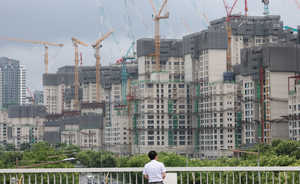
South Korea's tax revenue climbed by 5.5 trillion won ($3.85 billion) in June compared with a year earlier, driven by rising incomes and a pickup in home transactions, according to data released Friday.
The government collected 23.1 trillion won in taxes during the month, a 31.1 percent increase from the same period last year, the Ministry of Finance and Economy reported. The gains come as Asia's fourth-largest economy navigates a fragile fiscal balancing act, with policymakers having grappled with declining tax receipts in the previous fiscal year that pressured national budgets.
The finance ministry linked the growth primarily to stronger income tax collections, which reached 8.9 trillion won in June — up 1.4 trillion won year on year. Officials attributed the rise to wage increases across the workforce and a greater volume of residential property transactions, which also bolstered related tax receipts. South Korea's housing market has shown intermittent signs of renewed activity after a prolonged correction, and the transaction data suggest that momentum carried into the spring.
The total number of homes traded nationwide stood at 69,800 in April, a 6.6 percent rise from 65,400 in the same month a year earlier.
Corporate tax revenue also contributed to the overall increase. South Korea collected 2.7 trillion won in corporate taxes in June, up 400 billion won from a year prior, a signal that earnings conditions for the country's export-oriented businesses — spanning semiconductors, automobiles, and petrochemicals — may be stabilizing after a downturn in global demand.
Revenue from the securities transaction tax surged to 1.4 trillion won, representing an increase of 1.2 trillion won compared with June of the previous year, reflecting a sharp rise in trading activity on the Korea Exchange as retail and institutional participation expanded.
For the first half of the year, cumulative tax revenue reached 223 trillion won, marking a 17.4 percent — or 33 trillion won — increase from the same period a year earlier. The first-half trend will be a factor as the government prepares its annual budget deliberations later this year, with revenue performance influencing spending priorities and deficit targets.
(Yonhap)

