South Korea's Oceans Ministry Proposes Record 82.6 Trillion Won Budget for 2027 to Drive Maritime Growth
Key Takeaways
- •The proposed 2027 budget of 82.6 trillion won represents a 10.8 percent increase, which would be the largest annual growth rate since the ministry was restored in 2013.
- •Fisheries and coastal communities would receive 38.8 trillion won, up 11.5 percent from 2026, the largest allocation in the plan.
- •The budget funds autonomous shipping and marine biotechnology research, with R&D spending rising 7.8 percent to 9.2 trillion won.
- •Planned investments include eco-friendly shipbuilding, Arctic shipping route preparation, and AI-based cargo-handling systems at ports.
- •The proposal remains subject to review and approval by the National Assembly before taking effect.
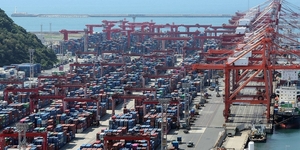
SEJONG -- South Korea's Ministry of Oceans and Fisheries has proposed an 82.6 trillion won ($59 billion) budget for 2027, an increase of 10.8 percent from this year, with expanded spending planned for fisheries, ports, marine technology and coastal communities.
If approved, the increase would represent the largest annual growth rate in the ministry's budget since it was reestablished in 2013, the ministry said in a proposal pre-briefing Monday. The ministry was dissolved in 2008 and restored in 2013, making the proposal a notable marker of how maritime policy has regained budgetary weight in subsequent governments.
The proposal allocates 38.8 trillion won to fisheries and coastal communities, up 11.5 percent from 2026. Spending on shipping and ports would rise 2.7 percent to 22 trillion won, while funding for marine environmental programs would increase 15.6 percent to 5 trillion won.
Research and development spending would grow 7.8 percent to 9.2 trillion won, including investments in autonomous shipping and marine biotechnology. Policy financing would more than double to 2.5 trillion won.
According to the ministry, a major focus of the budget is developing a southern maritime zone and strengthening port and shipping infrastructure. Funding would support environmentally friendly shipbuilding, preparations for Arctic shipping routes, and the introduction of artificial intelligence-based cargo-handling systems at ports. South Korea is home to some of the world's largest shipbuilders and busiest container ports, and the emphasis on eco-friendly vessels and automation comes as the global shipping industry faces tightening international emissions rules, including greenhouse gas regulations adopted through the International Maritime Organization.
Port development projects in Gangwon Province's Donghae, as well as Saemangeum and Gunsan in North Jeolla Province, are included in the spending plan.
The government also plans changes to fisheries management following the enactment of the Sustainable Coastal Fisheries Development Act earlier this year. The ministry said it would strengthen catch verification and expand the Total Allowary Catch system, which sets limits on catches of designated fish species.
Additional funding would go toward replacing and modernizing coastal fishing vessels, expanding smart aquaculture facilities, and supporting exports of high-value seafood products, including seaweed. South Korea is among the world's leading producers of seaweed, and the aquaculture push aligns with a broader government effort to lift food and agricultural exports.
Environmental programs include intensified efforts to combat illegal fishing and marine debris, with additional patrols and robotic systems designed to collect waste from the ocean.
The ministry also plans to increase investment in marine biotechnology, including facilities to produce biomaterials from algae, and to expand projects aimed at storing carbon in coastal and marine ecosystems, commonly known as "blue carbon." Blue carbon initiatives have gained international attention as countries seek ways to meet climate commitments by preserving coastal ecosystems such as tidal flats and seagrass beds.
Oceans and Fisheries Minister Hwang Jong-woo said the budget would focus on maritime and fisheries development while supporting broader economic growth.
The proposal is subject to review and approval by the National Assembly, which typically deliberates on the government's overall budget bill in the latter months of the year before it takes effect.
