South Korea to Take 'Timely' Measures Against Market Volatility, Says Finance Minister
Key Takeaways
- •Finance Minister Koo Yun-cheol pledged that South Korea will take timely measures to counter financial market volatility during a meeting with economy-related ministers in Seoul.
- •South Korea's industrial production increased 2.3 percent in June from the previous month, marking the steepest monthly rise since a 2.9 percent gain in June 2020.
- •The government aims to proactively manage economic challenges stemming from financial market turbulence and the prolonged Middle East conflict.
- •South Korea plans to expedite efforts to stabilize citizens' livelihoods and strengthen the competitiveness of its business ecosystem.
- •As Asia's fourth-largest export-driven economy, South Korea regularly coordinates fiscal, monetary, and regulatory responses across ministries during periods of heightened global uncertainty.
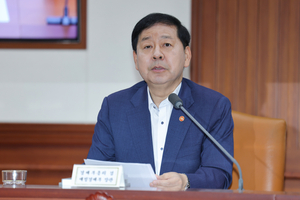
South Korea will closely monitor economic conditions and take "timely" measures to address recent volatility in financial markets, Finance Minister Koo Yun-cheol said Friday.
Speaking during a meeting with economy-related ministers in Seoul, Koo emphasized that the country's economic fundamentals remain strong, pointing to the latest industrial output data as evidence.
Industrial production rose 2.3 percent in June compared with the previous month, representing the sharpest monthly increase since a 2.9 percent gain recorded in June 2020.
"We need to proactively manage (economic situations) amid rising volatility in the financial markets and the prolonged Middle East war," Koo said.
"The government will remain vigilant, closely monitor economic conditions through emergency economic meetings and take timely measures," he added.
Koo also stated that the government would accelerate efforts to fundamentally stabilize people's livelihoods and strengthen the competitiveness of the business ecosystem.
South Korea has previously convened emergency economic meetings during periods of heightened global uncertainty, coordinating fiscal, monetary, and financial regulatory responses across ministries. The country's export-driven economy, the fourth largest in Asia, is particularly sensitive to shifts in global demand, energy prices, and geopolitical developments, making coordinated government responses a recurring feature during periods of international instability.
Source: Korea Herald (Yonhap)

