South Korea Considers Extending Label-Free Bottle Rule to Imported Mineral Water
Key Takeaways
- •South Korea's environment ministry is reviewing whether to extend its label-free requirement for domestic bottled mineral water to imported products, but no decision has been made.
- •The rule, in effect since Jan. 1, requires domestic producers to replace plastic wraparound labels with QR codes on bottle caps and includes a one-year transition period for bottles sold individually in stores.
- •The ministry estimates the policy could reduce plastic waste by about 2,270 metric tons per year, based on roughly 5.2 billion bottles of mineral water produced in South Korea in 2024.
- •Domestic producers, including Jeju Samdasoo maker Jeju Province Development Corp., say imported bottles with labels put them at a disadvantage on shelves and are urging authorities to apply the same requirement to imports.
- •Imports hold a single-digit share of Korea's bottled mineral water market, and the country had 63 producers and 107 importers as of September 2024, according to Samil PwC Research Institute.
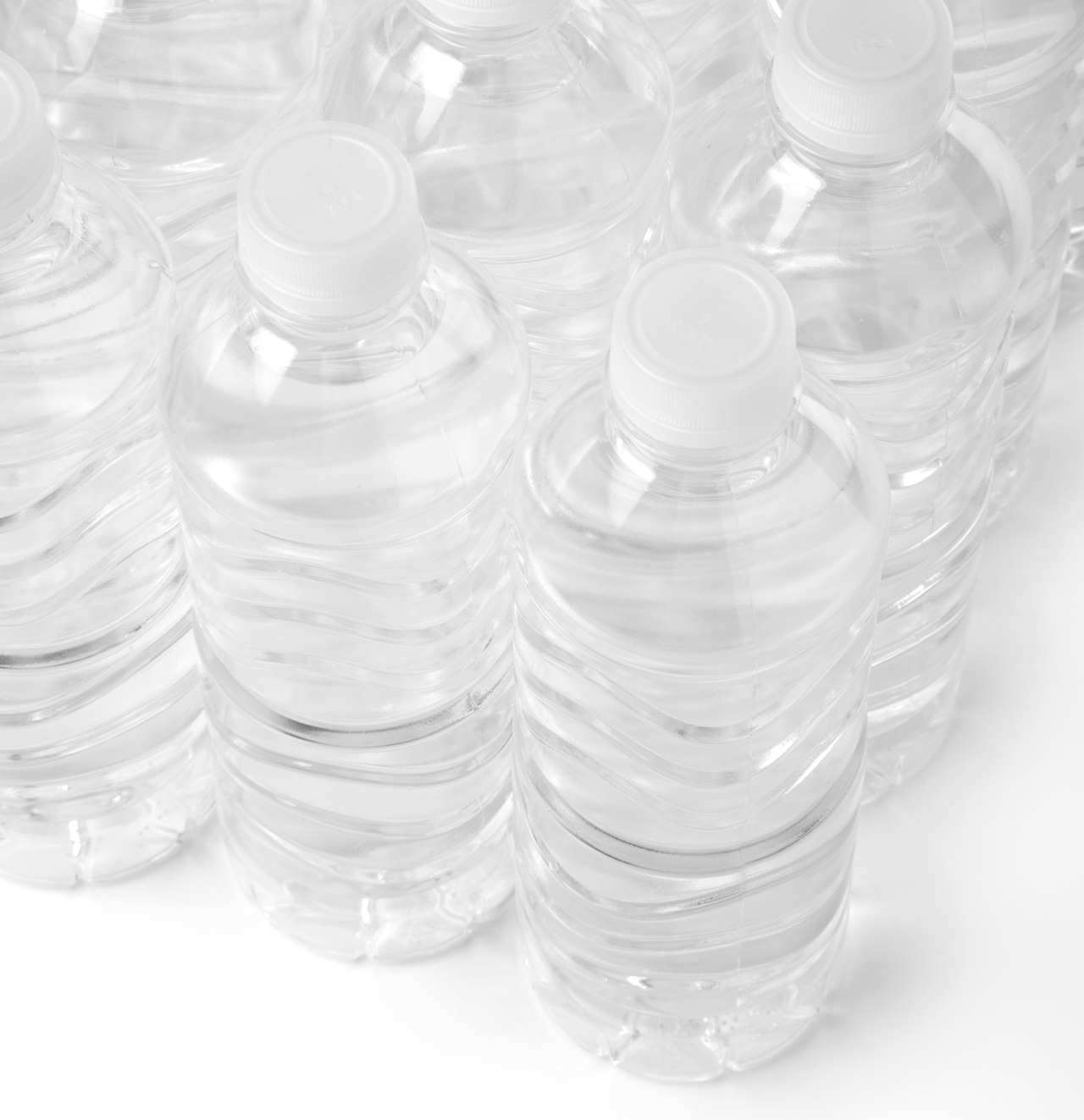
South Korea's Ministry of Climate, Energy and Environment is reviewing whether to extend its label-free requirement for domestically produced bottled mineral water to imported products, according to Yonhap News Agency.
The ministry recently met with bottled water importers to gather feedback on whether they could switch to bottles without wraparound plastic labels. Officials described the meeting as part of routine industry consultations covering several issues and said no decision has yet been made on extending the requirement.
The review follows complaints from domestic producers, who argue the current rules put them at a disadvantage on store shelves where imported bottles can still carry labels — the printed product information that domestic bottles now deliver through QR codes on their caps. Kim Do-young, president of Jeju Province Development Corp., which produces the Jeju Samdasoo brand, said at a recent press briefing that shoppers took longer to find the brand after it switched to label-free bottles, potentially affecting what they chose to buy. Kim said he supported the policy's aim and would ask authorities to apply the same requirement to imports.
The regulation took effect Jan. 1 for domestically produced bottled mineral water. Product information previously printed on plastic labels is now accessible through QR codes on bottle caps, which retailers can also scan at checkout. The government granted a one-year transition period for bottles sold individually in stores, taking into account that some retailers would need time to adjust their checkout systems.
The ministry estimates the domestic rule could reduce plastic waste by about 2,270 metric tons a year, based on the roughly 5.2 billion bottles of mineral water produced in South Korea in 2024. Removing the labels also saves consumers a step when sorting empty bottles for recycling.
Imported bottled mineral water currently remains outside the scope of the requirement. The rule also does not cover products legally classified as mixed beverages, a category that includes some water products with added minerals. Imports reportedly account for a single-digit share of Korea's bottled mineral water market, according to Yonhap — a small portion of sales, but one that sits on the same shelves as label-free domestic bottles.
The ministry has also begun examining the broader bottled water market. Figures from the Samil PwC Research Institute showed that Korea had 63 bottled mineral water producers and 107 importers as of September 2024, a snapshot of the importer base that would come under the rule if officials decide to extend it.
Source: Korea Herald

