South Korea Vows to Stabilize Stock Market as KOSPI Drops 5%
Key Takeaways
- •The KOSPI fell as much as 5.5% intraday on November 23 before closing down roughly 3.3% at 4,708.54, following a 5.21% drop on November 20 that marked a 10-month low.
- •The government stands ready to activate a 10 trillion won stabilization fund if market conditions worsen further.
- •Finance Minister Lee Hyoung-il stated that the expanded market volatility stems mainly from external uncertainties rather than domestic factors.
- •The selloff was driven by mounting doubts about the AI trade and US semiconductor export restrictions, with the Nasdaq also plunging 5.28% in a sign of global tech pressure.
- •Alongside the stabilization fund, Seoul plans to relax restrictions on corporate share buybacks and tighten enforcement against illegal short selling.
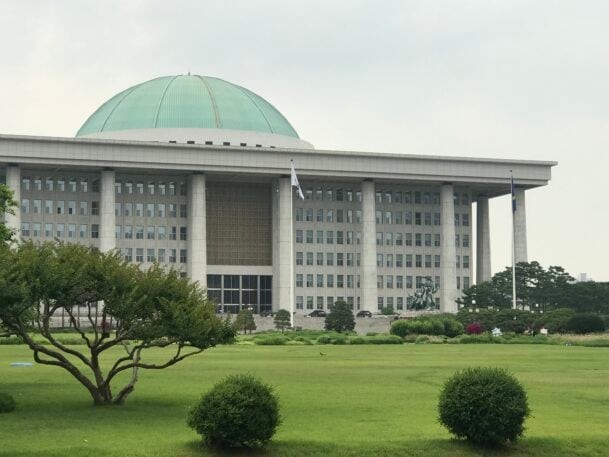
South Korea Vows to Stabilize Stock Market as KOSPI Drops 5%
South Korea's equity market endured a turbulent start to the week, with the benchmark KOSPI sliding as much as 5% during Monday's session on November 23. The government responded by reiterating that it stands ready to deploy stabilization measures should conditions deteriorate further.
The index fell as much as 5.5% intraday before recovering some of the losses, ultimately closing down roughly 3.3% at 4,708.54.
A Second Sharp Drop Within a Week
Monday's decline did not come out of nowhere. On November 20, the KOSPI dropped 5.21% and hit its lowest level in 10 months.
Finance Minister Lee Hyoung-il addressed the turmoil directly. According to Reuters, he framed the intervention talk as a response to forces largely outside South Korea's borders.
“Given the high impact of external uncertainties, volatility in our stock market has expanded significantly, which is why we addressed the issue,” Lee said.
The government signaled that stabilization funds would be deployed immediately if market conditions worsened. Officials are prepared to activate a 10 trillion won stabilization fund, depending on how markets behave. Funds of this kind are designed to step into the market during steep selloffs, providing buying support when selling pressure builds.
What Is Spooking Investors
Growing doubts about the AI trade are the main driver behind the selloff. Concerns over AI-related spending have rippled through global technology stocks, and South Korea's market is heavily exposed to that theme: the KOSPI is anchored by semiconductor and technology heavyweights, and the country sits near the center of the global chip supply chain, which helps explain why global AI jitters land so directly on Korean stocks.
US restrictions on semiconductor exports added further pressure. Those rules have weighed on major chip firms such as Nvidia and AMD, and the damage has spread across the broader tech sector. The tech-heavy Nasdaq plunged 5.28%, a clear sign that the selloff was not a local problem.
The Government's Toolkit
The stabilization fund is the headline measure, but it is not the only one. The government also plans to ease restrictions on corporate share buybacks and to crack down on illegal short selling.
The response was coordinated. The finance ministry, the Bank of Korea — the country's central bank — and other regulators took part in emergency financial coordination.
Lee paired the market measures with an upbeat economic outlook, projecting growth in the upper-3% range for 2027, contingent on current trends holding.
What This Means for Investors
For investors in Korean equities, the immediate question is whether the 10 trillion won fund actually gets deployed. The government has tied activation to market conditions. If the selloff deepens, the fund could provide short-term relief, particularly for holders of semiconductor stocks.
The easing of buyback rules is also worth tracking. Share repurchases reduce the number of outstanding shares and often signal corporate confidence, which is why large repurchase programs tend to draw attention during downturns. If major companies begin repurchasing shares, it could put a floor under some of the hardest-hit names.
Key things to watch include any formal announcement activating the stabilization fund, the details of the buyback rule changes, and fresh moves in the Nasdaq and global chip stocks.

