North African Operator Arrested in Global Crackdown on $14 Million K-Content Piracy Ring
Key Takeaways
- •Three North Africa-based piracy websites distributing over 83,000 copyrighted works have been shut down through a joint operation involving South Korean authorities, Interpol, and Naver Webtoon.
- •The pirated network caused an estimated 20 billion won ($14.2 million) in annual financial damage to the creative industry since beginning operations in July 2024.
- •Korean cultural content accounted for approximately 57% of the pirated material, underscoring the growing global demand and vulnerability of K-content exports.
- •The operation represents the first major achievement of South Korea's Copyright Special Judicial Police unit, which was launched on June 30 to protect overseas creative industry revenues.
- •The investigation was triggered in March when Naver Webtoon's monitoring system detected automated scraping activity, leading to the activation of Interpol's transnational crime coordination channel.
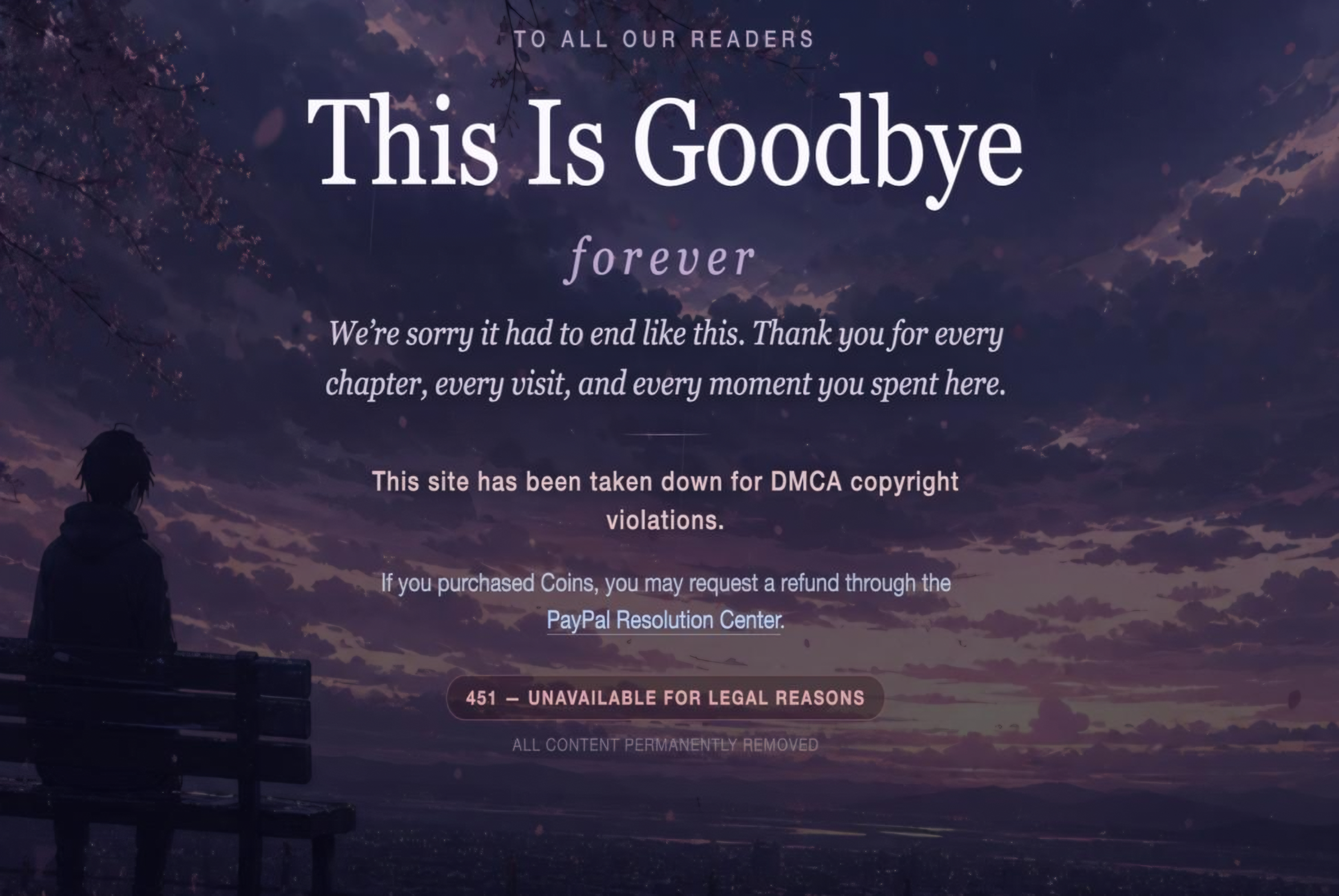
South Korea's Ministry of Culture, Sports and Tourism, working alongside the Korean National Police Agency, Interpol, and Naver Webtoon, has dismantled three major piracy websites operating out of North Africa, dealing a significant blow to illegal digital distribution networks. The joint operation led to the arrest of a primary site operator who used the alias "DEV" and the complete shutdown of the illegal portals.
The shuttered network consisted of two dedicated piracy platforms — one focused on webtoons and the other on web novels — along with a third site that aggregated content from both. The platforms had been operational since July 2024. According to authorities, the ring illegally copied and distributed 83,688 copyrighted works, including 30,926 webtoons and 5,202 web novels. Among the pirated titles were major hits such as "The Trauma Code."
Korean cultural exports, commonly referred to as "K-content," made up approximately 57 percent of the pirated material. The ministry estimates that these three platforms alone caused over 20 billion won ($14.2 million) in annual financial damage to the creative industry. Korean webtoons and web novels have become significant cultural exports in recent years, with platforms like Naver Webtoon expanding into multiple international markets, increasing both the global audience for Korean content and its attractiveness as a target for piracy networks.
Investigators emphasized that these platforms functioned as first distributors — the operators illegally scraped, scanned, and translated paid content from official Korean platforms into English before redistributing it online. By translating the works into English, the operators broadened the potential audience well beyond Korean-speaking readers, making the pirated content accessible to a global user base. Since secondary pirate sites frequently re-scrape content from these primary hubs, the true extent of secondary global damage is believed to be far greater.
The operation marks the first major success for the ministry's newly established Copyright Special Judicial Police unit, which officially launched on June 30. The unit's creation reflects the Korean government's growing emphasis on protecting overseas revenue streams for its creative industries as K-content's international footprint expands. The investigation began in March when Naver Webtoon's proprietary infringement-monitoring system detected suspicious automated scraping activity. After recognizing the international scope of the network, the ministry activated Interpol's I-SOP project, a specialized channel designed to target transnational organized crime.
The coordinated effort involved an Interpol I-SOP specialist based in Singapore and a Korean police liaison officer stationed at a Korean embassy in North Africa. Working in close cooperation with local North African authorities, the team traced the digital trail, resulting in the mid-July shutdown of the domain ecosystem and the operator's arrest. This operation follows a similar joint enforcement action previously carried out in Vietnam, indicating a pattern of cross-border operations targeting K-content piracy infrastructure in multiple regions.
"As the global standing of K-content rises, copyright infringement targeting it is becoming increasingly sophisticated and widespread," said Kim Jae-hyun, director general of the Culture and Media Industry Bureau at the Ministry of Culture, Sports and Tourism. "Moving forward, we will further strengthen cooperation with international organizations such as Interpol and overseas investigative agencies, while communicating closely with domestic industry partners to do our utmost to protect K-content copyrights."
Park Jun-seong, director general of the International Police Cooperation Bureau at the Korean National Police Agency, echoed that assessment: "This case holds great significance as it demonstrates a successful model of international joint investigation, where the Culture Ministry and the Police Agency teamed up to track down criminals even in the North Africa region to respond to overseas K-content copyright infringement. We plan to further expand international cooperation to counter the illegal distribution of K-content and actively continue our joint efforts with the Culture Ministry."
